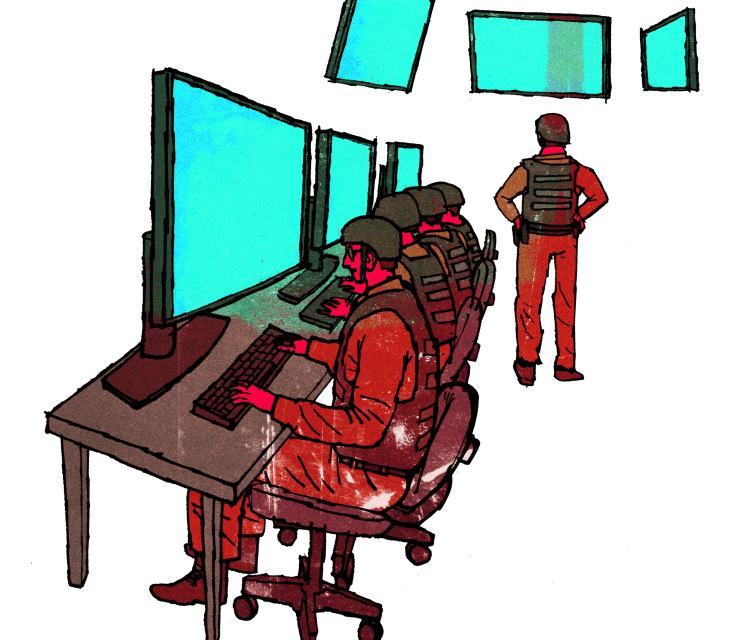
Efforts by Homeland Security Investigations (HSI)
In an effort to substantiate claims of illegal voting by noncitizens, the Trump administration tasked Homeland Security Investigations (HSI) with uncovering cases of election fraud. This federal agency, established to battle drug cartels and terrorism, undertook an unprecedented role in elections, using technology to search state voter rolls. However, insider warnings highlighted that this approach might lead to an excessive number of false positives.
Privacy and Legal Concerns
Reports emerged that transferring voter lists to HSI for criminal investigations might breach federal privacy laws. Despite these concerns, the Department of Justice proceeded with sharing this information, asserting it was for law enforcement purposes. Career staffers, however, expressed fear that this might infringe upon privacy rights and lead to unwarranted surveillance of citizens.
Outcomes and Challenges
Despite heavy pressure from the White House, the initiative resulted in a low number of prosecutions and convictions. From January 2025 to May 2026, fewer than 150 alleged cases were referred for prosecution, with even fewer leading to charges. ProPublica’s investigation revealed many challenges, including flawed data matching, leading to inaccurate leads and stretched resources.
Deployment of HSI Resources
The use of HSI resources signified a shift in federal agency priorities. By mid-2025, more than 6,000 agents were reassigned to focus on immigration and election fraud. Anthony Salisbury, appointed by Trump to lead this effort, directed agents and technology towards these new goals amidst skepticism from both inside and outside the agency.
Administrative and Legal Backdrop
The ambition to purge noncitizens from voter rolls extended to using the Systematic Alien Verification for Entitlements (SAVE). Yet, resistance from states and legal roadblocks hindered these efforts. Despite claims of discovering hundreds of thousands of potential noncitizen voters, only a few cases moved forward. These initiatives underscored the administration’s broader objectives of securing voter rolls at any cost.
Implications on Federal Investigations
The redirection of HSI’s resources sparked criticism that core missions, such as countering drug trafficking, suffered. The delay in action against serious crimes, as resources were diverted to election fraud investigations, was notable. The decline in wiretaps for high-priority cases illustrated the impact on vital enforcement operations.
Political and Public Reactions
Voter advocacy groups expressed worry that these election-related prosecutions could pave the way for further voter suppression efforts and federal overreach into state elections. The administration’s actions, including proposals for more stringent voter ID laws, have been criticized as attempts to suppress voter turnout and intimidate voters at the polls.
In summary, the Trump administration’s efforts to uncover illegal voting by noncitizens, driven by HSI’s broad powers, have spurred significant debate about privacy, legality, and the efficient allocation of government resources.
 Zohran Mamdani’s Vision for Affordable Child Care in New York City
  Senator Ted Cruz Leads Effort to Reform College Athletics Regulation
  California Governor Signs Bills Challenging Federal Immigration Policies
 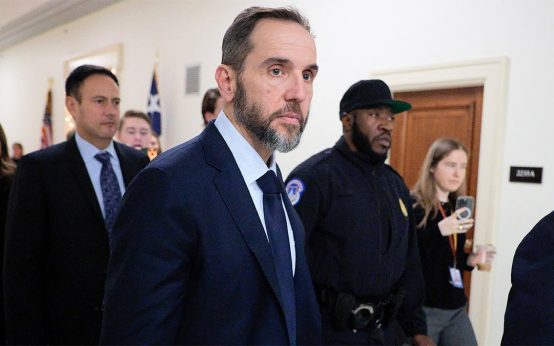 Jim Jordan Claims Jack Smith Misled Congress
  Why 1913 Marked a Turning Point for American Governance
 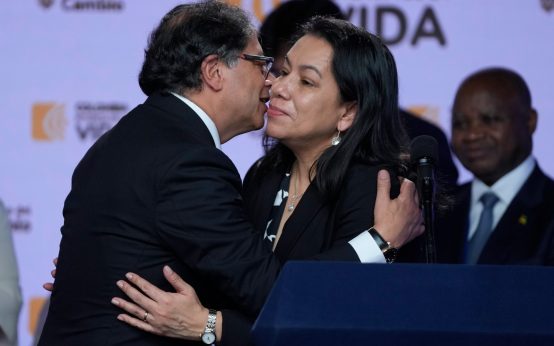 Concerns Over U.N. Secretary-General Candidate’s Alignment