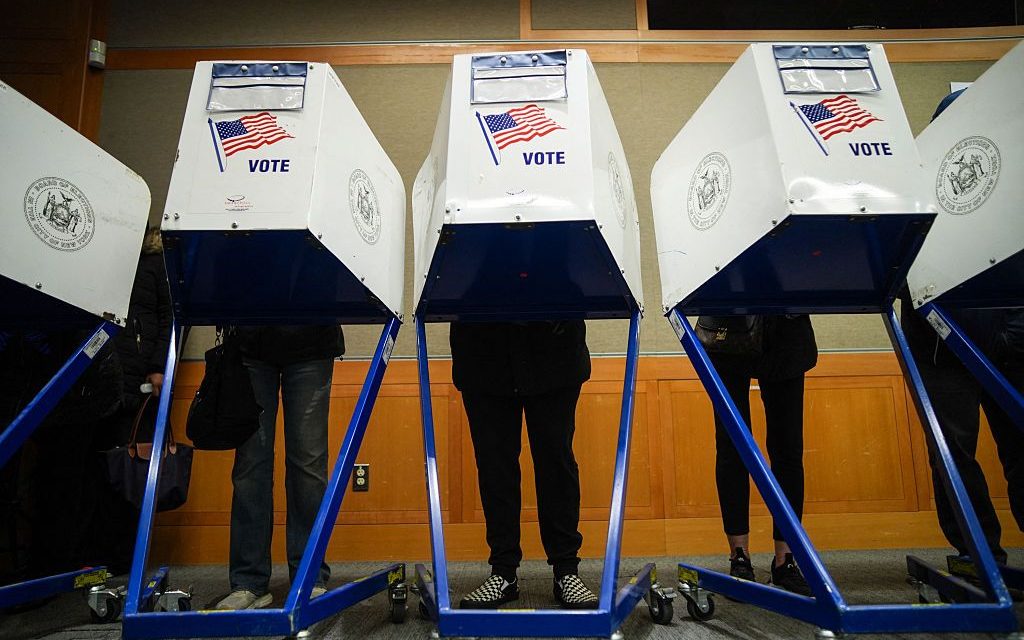
Political views are increasingly affecting where Americans choose to shop. A recent survey found that 51% of consumers stopped purchasing from a company due to its political stance over the past year. This trend is gaining attention as the November 3 midterms approach. Moreover, 39% of those surveyed plan to align their spending more closely with their political beliefs.
Businesses might face closer examination of their political positions and contributions. Yet, experts warn that stated intentions in surveys don’t always match actual purchases. The SmartCustomer survey in partnership with Goods Unite Us polled 1,115 American adults who shop regularly. Conducted online on October 7, the survey was balanced for age and gender.
This new data shows a stark change from a 2024 survey by the same firm, when only 30% reported boycotting due to political reasons, and 62% said brand politics mattered little to their buying decisions. A key methodological difference is the 2026 survey included adults 18 and older, unlike the 2024 version which had respondents 21 and over.
Michael Lai, SmartCustomer CEO, suggests the change reflects a broader trend, not caused solely by elections. Brian Potts, Goods Unite Us founder, claims politically motivated spending isn’t confined to election seasons. He describes consumer activism as continually accessible.
Increasing Political Boycotts
Recent findings indicate shoppers may stop buying from companies they disagree with and actively support those with similar political positions. While 51% stopped shopping based on a company’s politics, 47% made purchases to support a company’s stance politically. The data shows this behavior cuts across party lines but isn’t even. 64% of Democrat-leaning and 47% of Republican-leaning respondents boycotted companies over politics. High-income households displayed higher boycott rates.
Consumers see their purchasing power as a way to influence politics, according to Potts. Despite the sentiment towards corporate politics, Timothy Calkins from Northwestern University reminds that product quality and price usually dominate purchasing decisions.
Willingness to Pay More for Political Alignment
A notable survey result was that 64% of respondents would pay more for a product supporting their political views, with 43% willing to pay at least 6% more. Lai was surprised by these findings but acknowledged they depict intentions rather than actions.
Aleksandra Kovacheva from University at Albany points out the gap between intention and behavior. Consumers may value political alignment only when the product quality meets their needs.
Reasons for Political Boycotts
Consumer psychology provides insight into why corporate political stances impact shopping choices. Brands convey values, and a perceived clash with personal identity can drive boycotts, according to Kovacheva. However, consumer action varies depending on substitute availability and existing shopping habits.
Political Issues Influencing Shopping
Certain political issues like abortion, diversity, and immigration significantly influence consumer decisions. Different political affiliations prioritize different issues, according to survey results.
Demand for Transparency in Corporate Politics
Many consumers seek more transparency in corporate political positions. Whereas 41% previously wanted companies to stay politically neutral in 2024, current data shows increased support for transparency.
Jon Golinger from Public Citizen asserts that openness in corporate political spending is crucial for a fair marketplace. Transparency helps assess company alignment with public positions, thereby building trust.
The Risks for Brands
Caution is advised for companies considering taking political stances. Companies aim to avoid alienating customers by staying neutral on controversial issues, as advised by Calkins. Kovacheva emphasized that political stands should complement, not replace, product effectiveness.
Impact of Midterm Elections
The proximity to midterm elections might amplify political shopping habits. About 39% plan to shop more aligned with their politics before the election, but half of the respondents anticipate no change. Kovacheva suggests this heightened political focus may not last.
Lai predicts that politically driven purchasing might persist beyond the elections, fluctuating with news events. For businesses, they must recognize that political influences differ among consumers based on party, income, age, and other factors.
Newsweek’s reporters and editors used Martyn, our AI assistant, to produce this story. Learn more about Martyn here.
 The Impact of ICE’s 287(g) Program on Ingram, Texas
 Controversy Surrounds Abdul El-Sayed’s Views on Foreign Policy
 Federal Reserve Maintains Steady Interest Rates Amid Inflation Concerns
 Changes and New Candidates Mark Lake County Council Election
 Controversy Surrounds Michigan Senate Race
 James Dolan’s Alleged Discontent Over Potential White House Visit