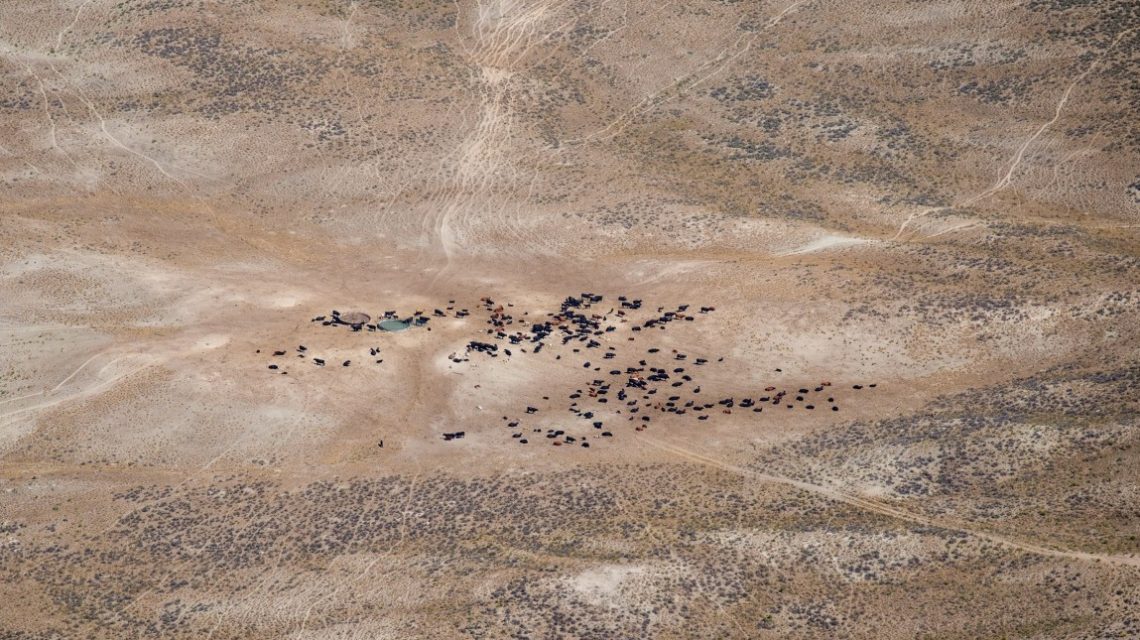
The federal government is revamping its regulations for ranching on public lands, allowing increased cattle, sheep, and livestock grazing across 155 million acres in the West. This region is twice the size of New Mexico. Public lands grazing is currently controlled by an outdated system, heavily subsidizing wealthier ranchers without adequately addressing environmental harm, according to findings by ProPublica and High Country News.
Proposed Regulatory Changes
The U.S. Department of the Interior’s Bureau of Land Management (BLM) is proposing these changes to overhaul regulations last updated in 1995. This proposed shift intends to expand grazing despite experts warning about the degradation of public lands due to overgrazing. New rules would also reduce public involvement in decisions about grazing on federal lands. Specifically, strict limits would be placed on who can participate and when objections can be raised, cutting down opportunities for public feedback.
They’re clearly trying to reduce involvement of anyone other than ranchers.
A BLM employee noted this concerning trend. The agency did not respond to inquiries about the proposed rules, which were publicly released in May. After a public comment period, they will go back for agency review in mid-July.
In a June announcement, the BLM stated their actions align with the Trump administration’s goals to reduce regulatory burdens, promote productive lands, and strengthen local economies.
Reactions and Implications
ProPublica and High Country News interviewed current and former BLM staff to assess the impact of these changes. While the proposed regulations do have some benefits, like requiring ecological assessments of all public land uses, critics argue they skew too favorably toward ranchers.
For instance, these regulations could make handling low-level violations of grazing regulations less confrontational, improving interactions between ranchers and regulators. They could also streamline sections of the code conflicting with recent court decisions and facilitate faster local decision-making in rangeland management.
Tim Canterbury, president of the Public Lands Council, praised these updates as beneficial. He referenced past regulations from the early 1990s, which he said restricted ranchers from leveraging advancements in the industry efficiently.
In contrast, conservation groups argue these changes go too far, risking increased overgrazing and environmental damage. In 2024, reports showed the federal government charged ranchers $284 million below market rates for public lands use. Critics argue new regulations might worsen these issues, allowing ranchers more leeway even when agency decisions limit grazing.
Some conservationists, such as Josh Osher from the Western Watersheds Project, express concerns about escalated impacts on wildlife due to more grazing damage.
Influence and Process
The livestock industry played a significant role in crafting these new regulations. Influential groups like the National Cattlemen’s Beef Association met with key administrative figures to craft a “Grazing Action Plan.” Native American tribes and conservation groups were reportedly not offered the same opportunity for input as regulations were developed.
Concerns rise about the involvement of certain officials, especially those with ties to ranching. A notable example is Karen Budd-Falen, who, after receiving an ethics waiver, was actively involved in drafting new grazing rules. Her discussions reveal intent to revert certain policies back to trends seen during the Reagan administration.
Native American tribes worry these policy shifts could affect their ability to manage bison herds for cultural and environmental purposes.
Public Participation and Future Directions
Proposed changes aim to limit conservationist interventions, especially those who could previously challenge harmful grazing practices. New definitions and criteria under consideration may raise the bar on public involvement in decision-making, restricting who can participate.
Mark Squillace, a natural resources law professor, noted that appealing a negative decision automatically pauses it, inviting potential misuse of the appeals process by those seeking to prolong practices deemed harmful.
Cows’ role as wildfire mitigators is also given prominence, allowing easier grazing access under these terms. However, some provisions make it challenging for agency staff to manage animal numbers effectively, which could hinder overgrazing mitigation efforts.
Efforts also focus on repopulating vacant grazing areas, many without livestock due to water scarcity or recovery after wildfire. BLM aims to have every such allotment occupied by the end of the next year.
 Court Rules Against Third-Country Deportation Policy
  Trump Administration Bars News Networks from White House
  Lawsuit Filed Over Preeclampsia Death in Texas Amid Abortion Ban Controversy
  Managing Euonymus Scale Infestation in Pachysandra
  Cook County’s Loan Program Assists Suburban Agencies Amid Property Tax Delays
  Freddy Cazares: Navigating the Limbo of Immigration Detainment and Uncertain Release