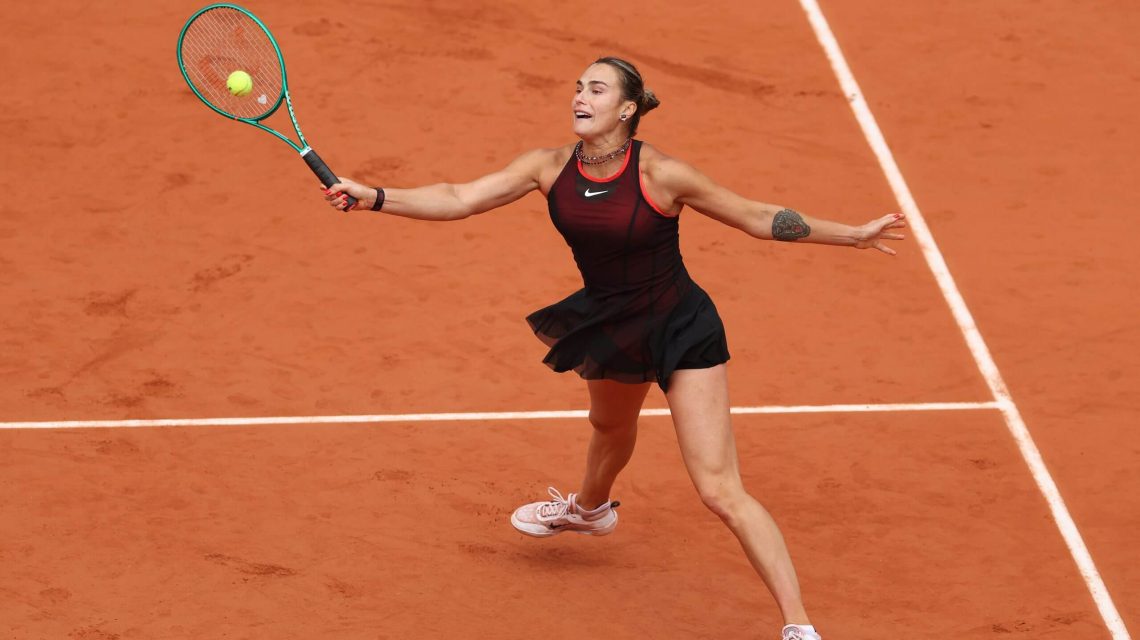
Turbulent Conditions at Roland Garros
During the second day of the French Open quarterfinals, the focus shifted to the unpredictable weather conditions. The combination of wind, rain, and the open roof added an extra challenge to the players. Aryna Sabalenka and Diana Shnaider faced these elements directly on Court Philippe-Chatrier.
Shnaider, ranked No. 23 in the world, described the conditions as “very tough” due to strong winds that left her feeling as if there was “no clay left.” The players had to adapt to what they referred to as “dirty” tennis.
Aryna Sabalenka, following her unexpected 3-6, 7-5, 6-0 defeat to the No. 25 seed, questioned the decision to leave the roof open despite the windy conditions. Organizers later closed the roof for the subsequent men’s match between Félix Auger-Aliassime and Flavio Cobolli, citing possible rain.
Impact of Wind on Play
The main principle of the French Open’s roof policy is to treat tennis as an outdoor sport. The roof generally closes for wind in only extreme cases. However, decisions regarding rain are based on forecasts. Specific rules state that the roof closes if wind speeds exceed 60km/h or if forecasts predict strong gusts and rain.
Wind influences game strategy significantly. With the wind at their back, players must avoid overhitting. When facing the wind, they need extra pace to prevent shots from lingering too long in the air. Quick reaction times are critical as even small changes in trajectory due to wind can disrupt timing.
The swirling wind inside the stadium makes consistent play challenging. Sabalenka initially managed well but later struggled with timing and taking longer between serves. Anna Kalinskaya shared similar challenges, particularly with her serve.
Shnaider maintained focus by reminding herself that both players dealt with the same conditions, leveraging Sabalenka’s mental struggles to her advantage.
Men’s Quarterfinals Drama
Flavio Cobolli’s journey to the semifinals represents a personal redemption arc. Three years ago, Cobolli was easily defeated by Carlos Alcaraz in the main draw of a Grand Slam. Now, at 24, he advanced to his first Grand Slam semifinal after defeating Félix Auger-Aliassime in under three and a half hours.
Despite the roof closure benefiting stronger servers like Auger-Aliassime, Cobolli adapted well to the conditions. Auger-Aliassime noted that heavy conditions impeded his game, despite physics suggesting otherwise.
The match assured an Italian would reach the final, as Cobolli was set to face either Matteo Arnaldi or Matteo Berrettini. Unfortunately, Berrettini retired due to a left hip issue, awarding semifinal entry to Arnaldi.
Berrettini faced another obstacle due to his history of injuries, as he contemplated the positives from reaching the quarterfinals. Meanwhile, Cobolli has shown growth, leaving his initial struggles behind.
Additional Notes
Félix Auger-Aliassime made an impressive shot despite his fall.
- The unpredictable tournament conditions test players’ nerve management.
- Maja Chwalińska’s journey to the semifinals doubles as a personal triumph.
- Sabalenka’s continued challenges on clay and grass remain a talking point.
Women’s Semifinals Preview
In upcoming matches, Marta Kostyuk faces Mirra Andreeva in a rematch of April’s Madrid Open final. Meanwhile, Diana Shnaider competes with Maja Chwalińska. Each player faces unique challenges as they strive for a place in the finals.
 Chicago Blackhawks’ Rookie Roman Kantserov Tackles Shortened Training Camp
  Owen Crouch’s Breakout Moment for Jacobs
  Impact of Storm Damage on Marian Catholic and Exciting Tournament Wins for St. Laurence
 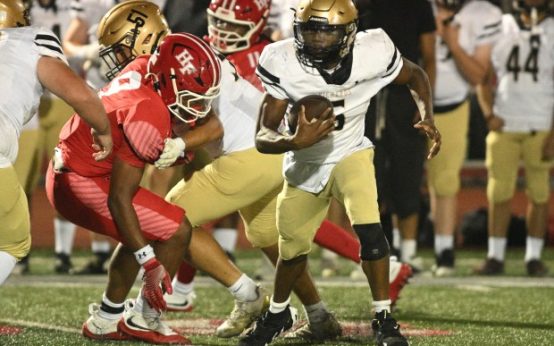 Football Season Midpoint Analysis and Playoff Outlook
 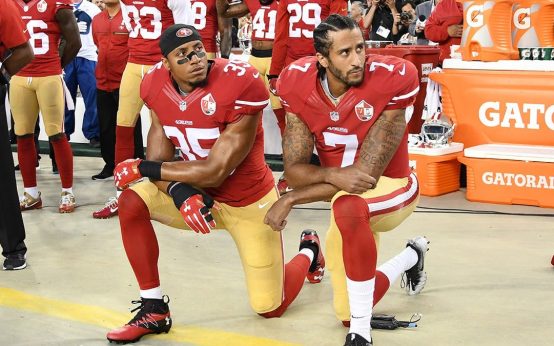 Colin Kaepernick’s Press Tour Raises Unasked Questions
 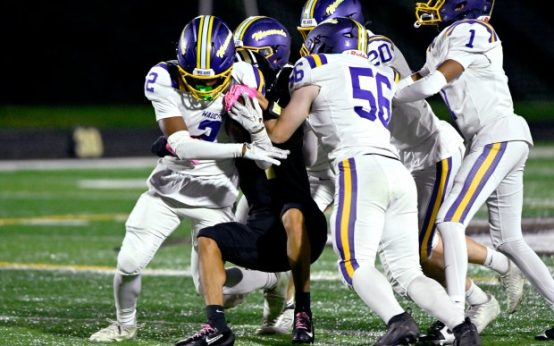 Jarren Cooley’s Journey from Sprinter to Football Starter