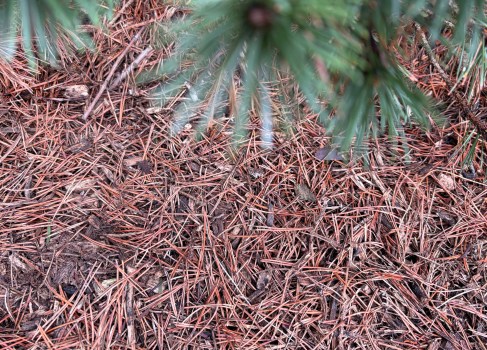
If you notice odd white spots on your pachysandra bed, they might be a sign of euonymus scale infestation. This pest damages plants by using piercing-sucking mouthparts to feed on plant sap. While this is common in some plants, it’s unusual on pachysandra.
The pest is challenging to control due to its protective covering that shields it from insecticides. Although action isn’t necessary right away, large populations should be addressed. Female scale insects overwinter and start laying eggs in late April and May. The eggs hatch into crawlers over two to three weeks. Male insects feed under a waxy coating and mate with females in spring. Crawlers move briefly before feeding and then become covered in wax. A second crawler generation emerges from late July to August.
Control is most effective during the crawler stage. Consider pruning the infested areas next March to remove overwintering females. Dispose of plant debris in garbage or a commercial landscape waste facility to ensure compost piles reach temperatures that kill the insects.
The active crawler stages from late May to early June and late July to August offer windows for control application. Pruning overwintering adults should significantly reduce pests. Applying summer-weight dormant oil during the crawler stages further enhances control.
For additional plant guidance, contact the Plant Information Service at the Chicago Botanic Garden.
Tim Johnson is the senior director of horticulture at the Chicago Botanic Garden.
 Puerto Rico’s Water Crisis: Infrastructure Challenges and Civic Engagement
 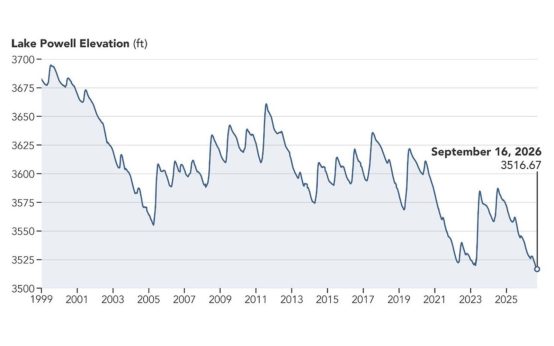 Satellite Images Show Dramatic Retreat of Lake Powell Over Nine Years
  Texas’s New Tallest Skyscraper: Waterline Marks Architectural Progress
  Transforming Faaborg Family Farm from Hogs to Mushrooms
  Great Lakes Face Beach Hazards Due to Dangerous Currents
  Surprising Encounter with Gulf Sturgeon in the Suwannee River