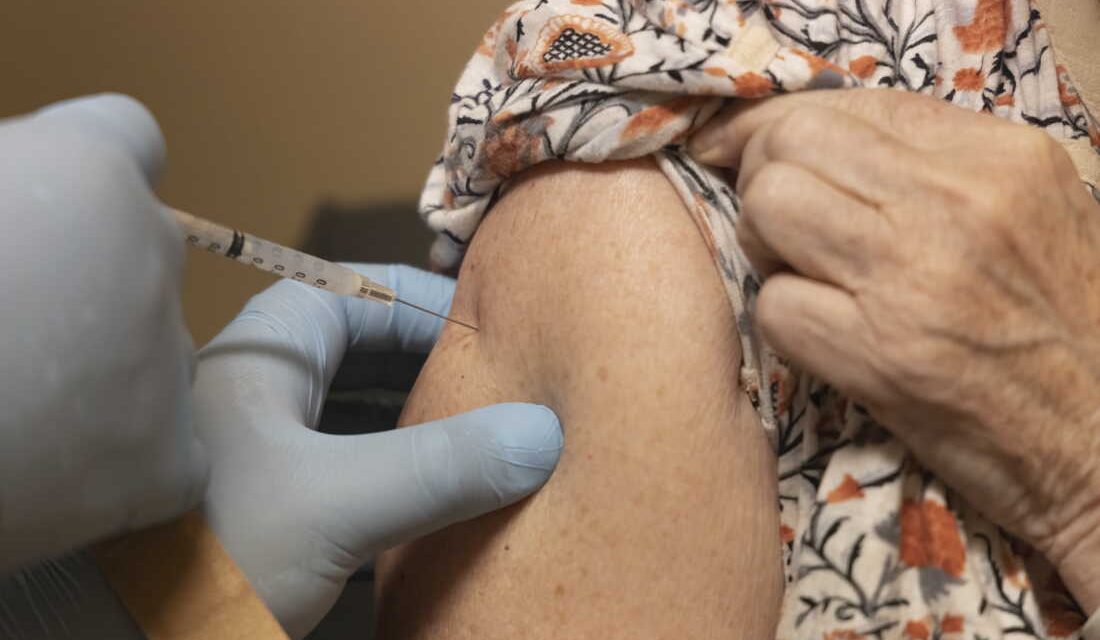
As the respiratory disease season nears, various medical groups are releasing updated vaccination guidelines. Recent independent analyses confirm that the latest vaccines for COVID-19, flu, and RSV remain safe and effective against severe complications from these respiratory viruses.
The American Academy of Pediatrics, American College of Obstetricians and Gynecologists, American College of Family Physicians, and Infectious Diseases Society of America jointly recommend continued immunizations for Americans. These recommendations aim to bridge the gap left by the lack of updated federal guidelines on vaccine use.
Bruce Gelin of the Vaccine Integrity Project highlights the need for evidence-based vaccine guidance amid federal policy uncertainties.
The analyses of COVID-19, RSV, and flu vaccines arrive as new versions of these vaccines become available. With infections on the rise, students returning to school, and the respiratory season approaching, clear communication is crucial. Federal guidelines have been stalled by litigation, causing concern among experts like Demetre Daskalakis, formerly of the CDC, who emphasizes the danger of lacking guidance.
Insurance coverage remains intact, with private insurers and federal programs like Medicare and Vaccines for Children continuing to cover vaccinations. Pharmacists in most states can administer the shots following medical group recommendations.
The Vaccine Integrity Project collaborated with the American Medical Association to review the latest vaccine studies, updating guidelines based on these analyses. Independent recommendations include pregnant women’s vaccination against COVID-19, protecting both mother and newborn.
- The American Academy of Pediatrics advocates COVID vaccination for infants, children at risk, and any children not at risk but whose guardians opt for vaccination.
- RSV immunization is now recommended for infants and children ages 8 to 19 months entering their second season.
- Annual flu shots are advised for anyone over 6 months old.
The American Academy of Family Physicians suggests that all adults over 19 receive updated COVID vaccines, with additional doses for those 65 and older. A new flu shot employing mRNA technology is now available for people 50 and older, potentially offering enhanced protection.
Dr. Sarah Nosal emphasizes vaccines’ role in preventing illness and death, urging timely vaccination to maintain community health.
Vaccination timing varies; individuals at high risk or with upcoming travel plans should consider early vaccination, while others may wait for maximum protection during peak winter season.
Despite the detailed independent guidelines, Jason Schwartz of Yale University warns that the absence of federal communication might create confusion, potentially reducing vaccination rates.
 Lawsuit Filed Over Preeclampsia Death in Texas Amid Abortion Ban Controversy
  Illinois American Water Faces Opposition Over Proposed Rate Increase
  Porsha Williams Opens Up About Emergency Surgery and Health Challenges
  Discussing Weight-Loss Medication with Children: A Parent’s Approach
  Conjoined Twins Separated in Complex Surgery
  Genetic Mutation Linked to Elevated Lung Cancer Risk