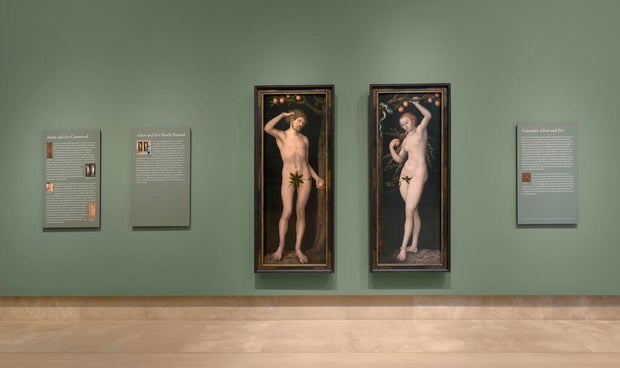
Jewish heirs of Holocaust victims have initiated two lawsuits in California to reclaim art taken by Nazis and displayed in Los Angeles and Auschwitz museums. These claims follow new laws in California and Congress bolstering U.S. claims to artworks looted during World War II. The legal actions include a case filed by the Jewish Federation of Greater Los Angeles against Norton Simon Museum for Lucas Cranach the Elder’s ‘Adam and Eve’ paintings.
Details of the Lawsuits
The Los Angeles Superior Court lawsuit, filed by the Jewish Federation and its board chair Daniel Gryczman, seeks the return of ‘Adam and Eve.’ These paintings were originally created in 1530 by Lucas Cranach the Elder. Another lawsuit, filed in federal court by the daughters of Holocaust survivor Dinah Gottliebova Babbitt, demands the return of watercolor portraits painted under Nazi duress at Auschwitz for Josef Mengele.
Museum representatives claim legal ownership titles to the artworks and plan to continue public displays. The value of the paintings is not specified in the lawsuits.
The Complex Issue of Nazi-Looted Art
Art looted by Nazis is a sensitive issue involving emotional and ethical considerations. Museums aim to preserve historical narratives, while Jewish families confront the ongoing trauma of their losses. Between 1933 and 1945, Nazis stole over 600,000 art pieces across Europe from Jewish owners. Many of these artworks remain in museums worldwide, complicating efforts to recover them.
Rabbi Noah Farkas of the Jewish Federation of Los Angeles noted plans to use proceeds from recovered art to assist Holocaust survivors in the L.A. area. Marei von Saher, heir of art dealer Jacques Goudstikker, expressed gratitude for the organization’s support. The artworks, initially seized under Nazi command, were sold into museum collections decades later.
Legislation and Historical Context
California Assembly Bill 2867, authored by Democratic Assemblyman Jesse Gabriel, reinforces state law in claims by California residents for Holocaust-seized art. The law was spurred by a federal ruling on Camille Pissarro’s artwork retained by a Madrid museum, although it was initially taken by Nazis.
Norton Simon Museum, referenced in the lawsuits, claims a federal court validated its ownership of the Cranach pieces. Pawel Sawicki from the Auschwitz Memorial stated that Gottliebova Babbitt’s paintings, documenting Nazi crimes, should remain as historical evidence rather than personal property.
Sawicki emphasized the paintings’ role in chronicling Auschwitz’s atrocities and cautioned against losing any part of the historical documentation.
 Court Rules Against Third-Country Deportation Policy
  U.S. Secures Strategic Control Over Greenland
  U.S. and Denmark Move Towards Security Agreement Over Greenland
 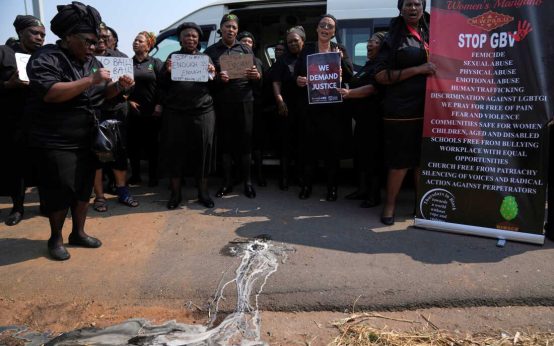 Rising Concern Over Gender-Based Violence in South Africa
  UNIFIL’s Final Patrol in Southern Lebanon Amid Changing Borders
  Ukraine Launches Massive Drone Attack on Moscow Amid Elections