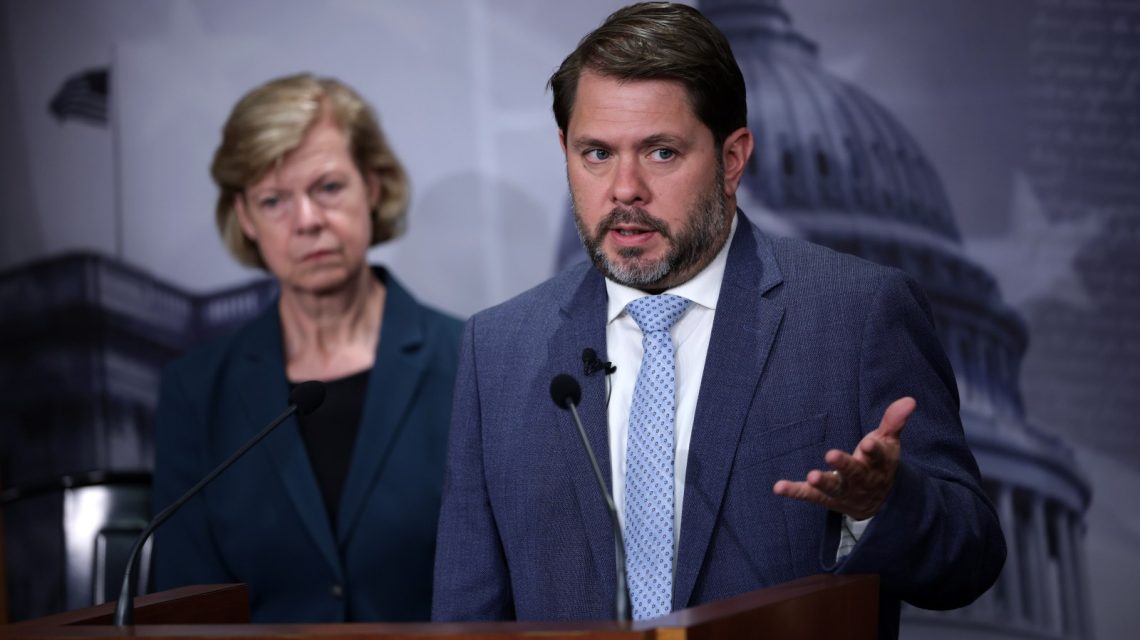
Millions of American workers may soon receive larger paychecks for extra hours worked due to a proposed bill in Congress. Senator Ruben Gallego, a Democrat from Arizona, has put forward the Double the Wage for Overtime Act of 2026. This legislation aims to increase the federal overtime pay rate from the current time-and-a-half standard to double a worker’s hourly wage for hours worked beyond 40 in a week.
Details of the Proposal
The proposal amends the Fair Labor Standards Act, which has mandated time-and-a-half pay for eligible workers since 1938. Senator Gallego noted that overtime rates have not doubled in nearly 90 years. He emphasized that the proposed change would help families manage their expenses more effectively. If enacted, the amendment would take effect 180 days after its passage.
Why Timing Matters
This bill’s introduction coincides with Americans grappling with rising living costs and stagnant wages. Supporters argue that employees spending extra hours at work deserve more compensation. However, critics worry about the impact of increased labor costs on businesses operating with slim profit margins.
Potential Beneficiaries
Data from Gallego’s office suggest that 13.4 million workers could benefit from this legislation. Financial implications include significant benefits for overtime workers. An employee earning $25 per hour and working 10 overtime hours weekly would shift from $37.50 to $50 per hour for overtime, resulting in about $6,500 additional annual income.
For sectors reliant on overtime, such as manufacturing, transportation, and healthcare, this proposal could increase take-home pay. By making some overtime earnings exempt from federal taxes, workers could retain more income without a base wage hike.
Economic Implications
Economists note that higher employee earnings generally support consumer spending, particularly among lower- and middle-income households. This increased spending can stimulate demand in local economies. However, businesses might counter higher labor costs by raising prices or altering hiring practices, potentially leading to fewer overtime hours or increased part-time positions.
“Doubling overtime pay would put real money in workers’ pockets fast,” finance expert Michael Ryan said. “Employers don’t treat overtime pay as free money. They use it as a lever.”
He also pointed out that during the Obama-era overtime rules expansion in 2016, businesses avoided paying more by capping hours at 40 and hiring part-timers instead. The same could happen with this bill.
Potential Effects on Employers
The act could present mixed incentives for employers. Some might absorb or pass on higher costs while maintaining overtime. Others may limit overtime altogether and hire more staff.
“The workers most likely to benefit are those whose hours can’t easily be capped, like those running a production line,” Ryan added. “Others might see reduced hours.”
Democratic Representatives Greg Casar of Texas and Pramila Jayapal of Washington support the bill, aiming to adjust labor rules to reflect contemporary challenges. Jayapal highlighted the current affordability crisis and the necessity to ensure fair wages for workers. Revised overtime protections may enhance work-life balance and reduce burnout rates.
Support and Opposition
The legislation has significant backing from the nation’s largest unions, including the AFL-CIO and the United Auto Workers. Numerous advocacy groups, such as the Economic Policy Institute, also endorse it. Despite this, the bill lacks Republican support, complicating its prospects in Congress.
“It’s a messaging bill right now,” Ryan noted. He emphasized its role in the 2026 affordability push, rather than imminent law enactment.
Next Steps
Before becoming law, the bill requires approval from both Congressional chambers and the president’s signature. Kevin Thompson, CEO of 9i Capital Group, predicts that businesses might reduce overtime availability to avoid additional costs, potentially affecting wage growth and worker bargaining power.
 The Cost of Challenging Beijing
  Analyzing Midterm Elections and Party Dynamics
  Allan Lichtman’s Framework for Assessing Presidential Greatness
  Florida Senate Race Tightens as Recent Polls Show Dead Heat
  Ethics Complaint Targets Colorado Representative Lauren Boebert
  Ken Paxton’s Campaign Funding and Polls