
President Donald Trump has endorsed significant alterations to childhood vaccine guidelines. Notably, the new recommendations allow parents to decide whether to vaccinate their children against rotavirus. This virus commonly causes diarrhea and dehydration in infants, often necessitating hospitalization for intravenous fluids.
Rotavirus is a widespread concern in pediatric health. If left unvaccinated, infants can experience severe complications. Dehydration from the virus can rapidly escalate, requiring medical intervention to ensure the child’s recovery. The vaccine has long played a crucial role in preventing these health emergencies.
The change in guidance has sparked a debate among healthcare professionals. Many experts stress the importance of vaccination as a preventive measure. They argue that allowing parental discretion could lead to a resurgence of preventable illnesses, placing additional strain on healthcare systems.
In the coming weeks, healthcare providers and policymakers will likely continue discussions on balancing parental choice with public health needs. This delicate issue highlights the ongoing challenges in vaccine policy and childhood health protection.
 Experimental Vaccine Reduces Melanoma Recurrence in Trial
 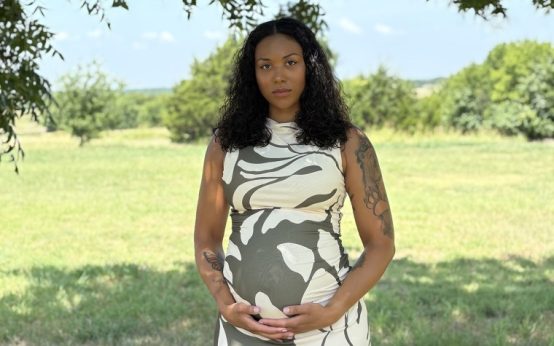 Surrogate’s Advocacy in Multi-State Legal Dispute Over Baby’s Heart Condition
  Providence Health Plan’s Medicare Advantage Deal Falls Through
  Health Impact of Boyle Heights Warehouse Fire
  Breakthrough Cancer Vaccine by Moderna and Merck: A New Era in Medicine
  New CDC Director Erica Schwartz Addresses Agency Challenges