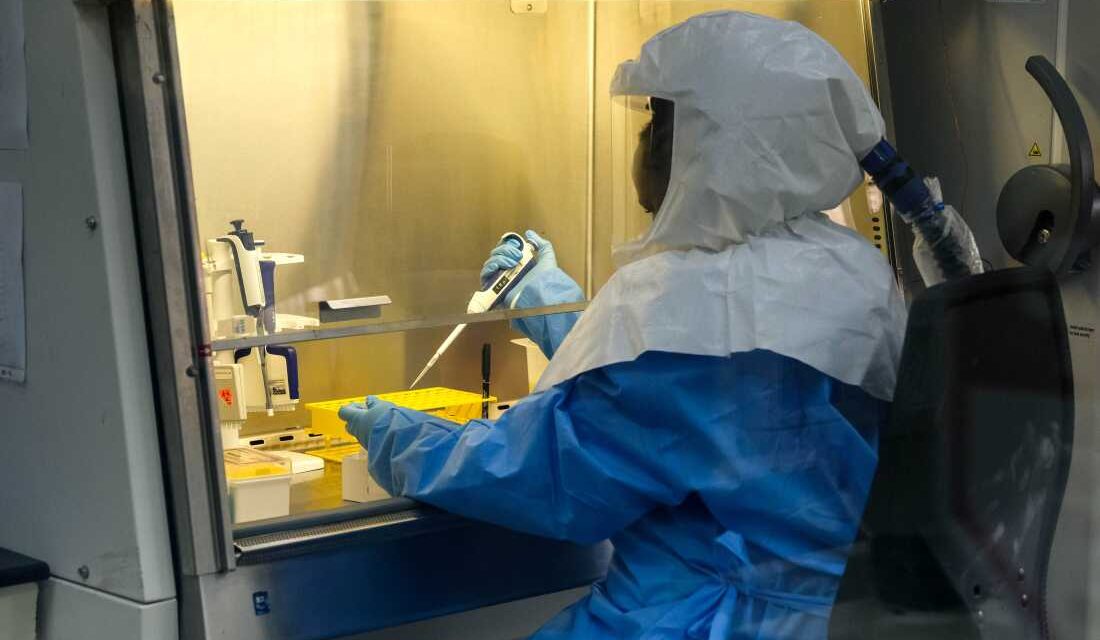
In Entebbe, Uganda, Sophia Mulei works as a laboratory technologist at the Viral Hemorrhagic Fever Laboratory in the Uganda Virus Research Institute. This lab is crucial in testing Ebola samples. This role is increasingly important as health officials in the Democratic Republic of Congo (DRC) raised alarms over potential Ebola cases in mid-April.
Deaths in the northeastern part of DRC suspected to be caused by the virus initiated the collection of samples. These samples were initially analyzed at a lab in Bunia. Dr. Jean-Jaques Muyembe, general director of INRB, DRC’s national biomedical research center, confirms that testing began on April 30. The lab used GeneXpert, an automated machine for detecting viral DNA segments. Unfortunately, results returned negative for Ebola, and this pattern continued for weeks.
Eventually, samples were sent to Kinshasa for advanced testing, revealing a positive result for Ebola. The GeneXpert machine struggled to detect the specific rare Ebola species circulating, delaying the outbreak declaration until mid-May. This delay allowed the outbreak to grow to one of the largest, with suspected cases exceeding 1,100, as overwhelmed labs tried to manage the influx of samples.
“The initial response has been pretty significantly hampered by the lack of appropriate diagnostics on the ground,” notes Caia Dominicus of the International Pandemic Preparedness Secretariat.
Without timely testing, isolating patients and stopping virus spread becomes difficult. While diagnostic capabilities have improved, Abdirahman Mahamud of the World Health Organization warns the current capacity is insufficient, especially with projections from the U.S. Centers for Disease Control and Prevention estimating cases might reach 20,000 by August.
A New Diagnostic Tool: RADI-One
Efforts to improve testing include the deployment of RADI-One, a machine detecting Ebola Bundibugyo in samples. It requires less training and equipment, making it suitable for smaller clinics closer to outbreaks. Currently, seven labs, including one mobile lab, process tests in northeastern DRC, with large labs like Bunia handling over 100 samples daily.
A laboratory technician notes the current speed of processing: “There’s no backlog; samples are analyzed within an hour to twelve.” Africa CDC, collaborating with WHO and DRC health officials, aims to acquire 50 RADI-One units by end of June, though more will be necessary.
Additional machines from the South Korean manufacturer, KH Medical, are under discussion. While other testing methods exist, they require validation and staff training, adding to logistical challenges including remote sample transport and accessibility due to conflict and mistrust.
Potential Rapid Test Solutions
To enhance response speed, rapid tests akin to those used in COVID can significantly reduce detection time. “The faster you detect someone’s positive, the faster you can actually isolate them,” explains Abraar Karan, an infectious disease physician.
Rapid tests, although less sensitive, could assess outbreak scope more accurately. Muyembe suggests using these tests for living individuals and screening deceased individuals, given that funeral practices involving contact can further spread the virus.
Currently, no rapid tests specifically for Bundibugyo exist, though research indicates some designed for other Ebola species might be adapted. Developing a Bundibugyo-specific rapid test could take months, according to microbiologist Robert Garry of Tulane University. Ranu Dhillon, a global health expert who aided Guinea’s 2014 Ebola efforts, stresses the necessity for rapid diagnostics, as creating treatments or vaccines would take longer.
Dominicus underscores the importance of diagnostics in outbreak management. Despite being overlooked compared to vaccines or therapies, they are vital for informed decision-making. Improved diagnostics in advance might have prevented the outbreak’s spread.
 Measles Exposure in Philadelphia Raises Health Concerns
  Lawsuits Claim Vision Loss Risk from GLP-1 Medications
  States Tighten Regulations on Tianeptine, Known as ‘Gas Station Heroin’
  Medicare Lab Test Payments: Upcoming Changes and Their Implications
  Gen Z Faces Economic Barriers to Dating and Intimacy
  Understanding and Preventing Suicide: A Public Health Priority