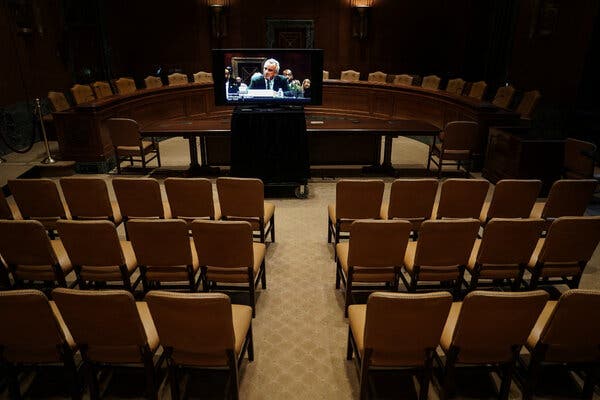
Last week, Health Secretary Robert F. Kennedy Jr. dismissed the two leading figures of the U.S. Preventive Services Task Force. This expert panel influences preventive services, such as cancer screenings, for countless Americans. The decision to fire them was communicated through a letter which stated that it was done “to protect the integrity of the task force’s work.”
Dr. Michael Silverstein had served as chair of the task force until his term ended in March. Dr. John Wong, one of the fired individuals, shared their concerns after the dismissal.
An important Supreme Court decision last year allowed U.S. health secretaries to remove task force members at will. Ever since, both Dr. Silverstein and Dr. Wong were apprehensive about such developments. Secretary Kennedy has shown indifference towards the organization and has taken measures to curtail its operations. He delayed meetings, halted new projects, and suppressed guidelines, including those on cervical cancer screening. Furthermore, he accused the task force of being negligent.
This incident marks a recurring pattern where Secretary Kennedy has dismissed health experts or integrated political dynamics into an advisory panel meant to be independent. Potentially, this could have extensive implications. The task force plays a critical role in shaping recommendations for counseling, screenings, and preventive medications. It also influences insurance coverage for these services, ensuring patients incur no extra costs.
The screenings recommended by the task force for cancers, such as cervical, colon, breast, prostate, and lung, save numerous lives annually. Additionally, their recommendation for preventive medications for HIV could significantly reduce new cases.
A politically influenced task force may retract evidence-based recommendations or endorse unproven and potentially harmful strategies. It might align with interests that prioritize financial gains over patient health. Secretary Kennedy has previously promoted unsubstantiated treatments for conditions like autism and measles. There is apprehension that he could advocate prevention strategies that align with his dietary views or support financial interests related to fitness and nutrition.
The task force is traditionally comprised of 16 members, all unpaid experts in primary care. Recently, vacancies have increased as member terms concluded, and no new appointments were made until now. At present, eight spots remain open, although Secretary Kennedy has initiated the process to fill these positions.
 Aging and Brain Changes: Implications for Alzheimer’s
  Changes to Supplemental Benefits in Medicare Advantage Plans
  Four Strategies to Build Resilience in Children
  Neighborhood Impact on Sleep Quality
  Finance Manager Faces Dilemma Over Medicaid Income Limits
  Health Secretary to Address Food Safety Loophole