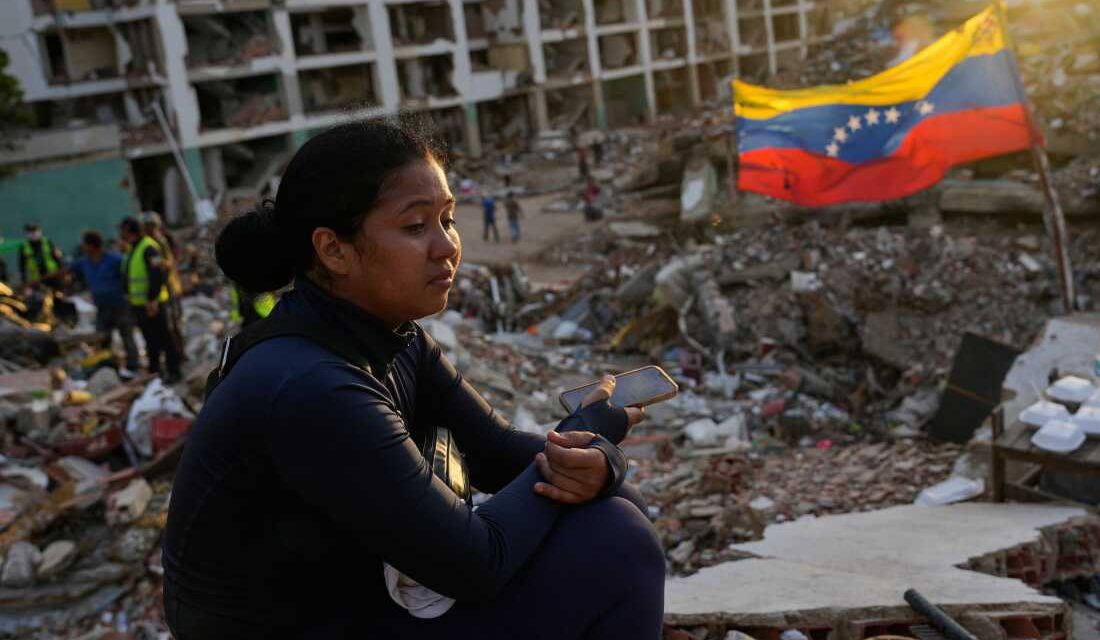
La Guaira, Venezuela — Sitting amidst the debris of a collapsed building, Estefany Landaez waits for news of her children after devastating earthquakes struck Venezuela. The catastrophic events killed 4,829 people and injured 16,740, according to official records. As recovery becomes the country’s priority, the quest for democracy faces setbacks.
In Caracas, around 100 protesters gathered, chanting for free elections. They moved to the headquarters of the secret police to demand the release of over 300 political prisoners. However, authorities largely ignored the demonstrations, deploying police only to observe.
Acting President Delcy Rodríguez, who replaced Nicolás Maduro after his arrest by U.S. forces, is collaborating closely with the Trump administration. U.S. interest leans more toward reviving Venezuela’s oil industry than facilitating democratic transition. Rodríguez maintains several pro-Maduro figures in her government, aggravating the opposition.
Critics argue that the earthquake’s state of emergency has given Rodríguez cover to delay setting a schedule for elections. The government obstructed the return of opposition leader María Corina Machado by briefly closing airspace to her plane. Rodríguez named her critics as conspirators exploiting the post-quake chaos.
Activists express frustration. José Rolón, a pro-Machado campaigner from La Guaira, notes, “The regime always finds new excuses to procrastinate.” There’s concern it may never seem the right time to initiate democratic reform.
Some experts advise caution. Radio host and ex-diplomat Vladimir Villegas believes Venezuela should first replace partisan institutions like the electoral council and supreme court. These bodies validated Maduro’s disputed 2024 election win against Edmundo González, backed by Machado after she was banned from running.
Polls reflect Rodríguez’s unpopularity and critique her slow earthquake response. Villegas speculates she might not overextend her leadership, observing Maduro’s fate, now imprisoned on U.S. drug-trafficking charges.
Before the earthquake, discussions involving opposition leaders and Rodríguez’s envoys had commenced but are currently stalled. Machado remains committed to resuming the drive for elections, asserting to the EU, “Venezuela has proven its organization in past electoral processes.”
Opposition divisions linger, with Machado’s group boycotting legislative elections and criticizing those who participated. Revitalizing political parties, suppressed or overtaken during Maduro’s regime, presents an additional hurdle. Vente Venezuela, Machado’s party, is rebuilding following raids and the incarceration or exile of many members.
Henry Alviarez, Vente’s deputy leader, was recently released but still faces charges and limited freedoms. He remarked, “Our party was persecuted, but we are regrouping.” As they await Machado’s return, her party is engaged in earthquake relief, distributing medical supplies to affected areas.
Volunteer Rosa Cucunuba vowed that post-recovery, political efforts will resume. “People need aid now,” she explained, “but we will continue the work to secure freedom.”
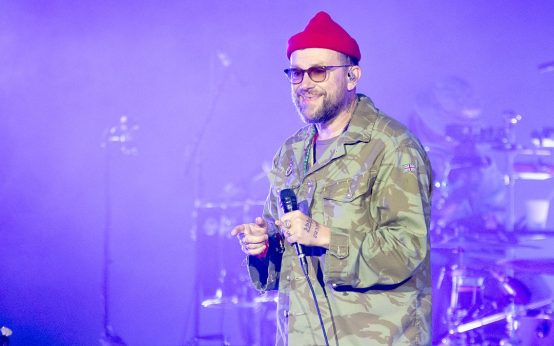 Gorillaz and Macklemore Respond to Controversy Over Israel-Palestine Statements
 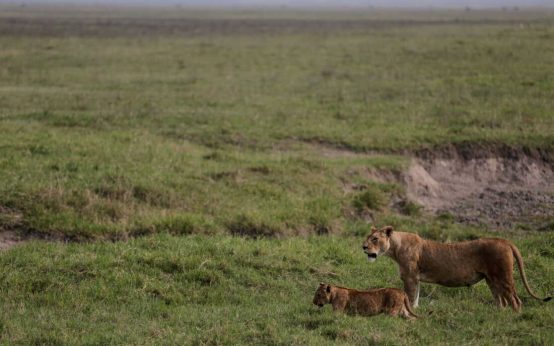 Investigation into Lion Deaths in Tanzania
 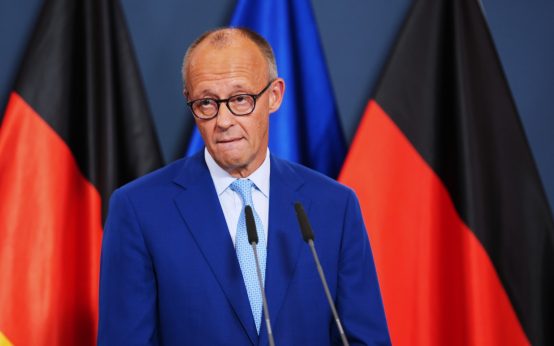 Merz Stays Resolute Amid Electoral Shifts in Germany
 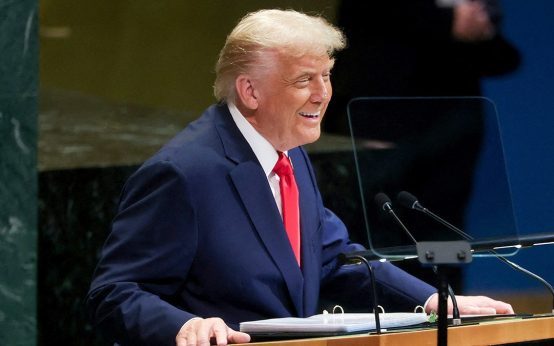 U.S.-Iran Relations and Diplomacy at Upcoming U.N. Assembly
 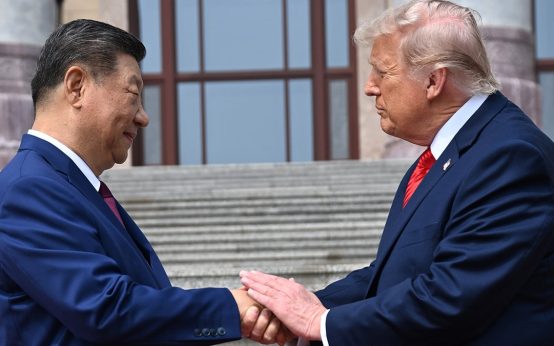 US-China Relations Under Scrutiny: Expert Warns of Escalating Tensions
 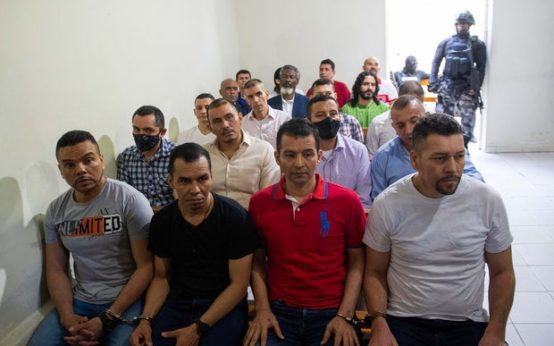 Extradition of Suspects in Haitian President’s Assassination