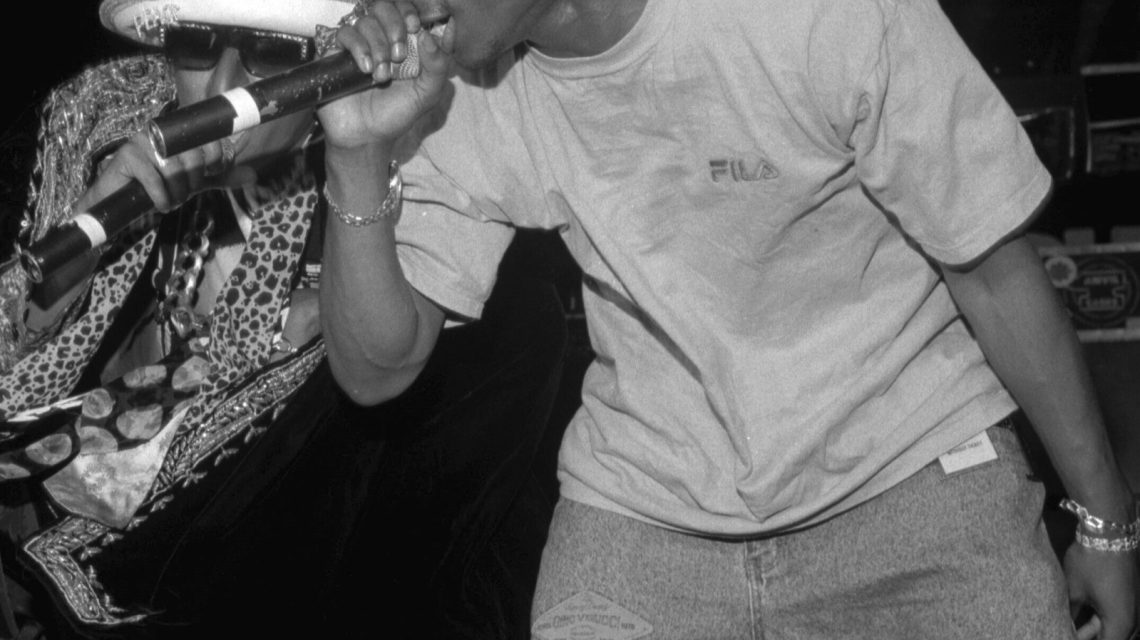
Nearly three decades after the tragic death of Tupac Shakur, a trial is underway for the sole individual ever charged in connection with the rapper’s murder. Jury selection commenced in Clark County, Nevada, for Duane ‘Keffe D’ Davis. The former South Side Compton Crips leader stands accused of organizing the September 1996 drive-by shooting that claimed Shakur’s life. Davis, aged 63, has entered a plea of not guilty. If convicted, he could face a life sentence without the possibility of parole.
Prosecutors assert that Davis ordered the attack and provided the weapon, though they do not allege he pulled the trigger himself. Tupac’s murder is a defining event in hip-hop history and remains one of America’s most infamous unsolved cases. This trial is the first linked to the incident, potentially shedding new light on the events of that fateful night. Despite this, some aspects of the case may remain elusive as the trial progresses in Las Vegas.
What Happened to Tupac?
On September 7, 1996, Tupac Shakur was present in Las Vegas to watch the Mike Tyson-Bruce Seldon boxing match. After the fight, an altercation involving Shakur, his entourage, and Orlando ‘Baby Lane’ Anderson – the nephew of Duane ‘Keffe D’ Davis – unfolded at the MGM Grand. That evening, as Shakur was traveling in a BMW driven by Death Row Records co-founder Marion ‘Suge’ Knight, a white Cadillac pulled up beside them on the Las Vegas Strip. Gunshots rang out, hitting Shakur several times. Knight survived with minor injuries, while Shakur, aged 25, succumbed to his injuries at a local hospital six days later.
His death sent shockwaves through the music world and became an infamous unsolved case in entertainment history. Investigators have frequently pointed to the MGM Grand altercation as a prelude to the shooting.
Who Is Suspect Duane Davis?
Duane ‘Keffe D’ Davis, a former leader of the South Side Compton Crips, is the first and only person charged in relation to Shakur’s murder. The prosecution alleges Davis orchestrated the retaliation and provided the weapon, but do not state he was the shooter. Davis’ own statements, including those in his 2019 memoir Compton Street Legend, form a crucial part of the prosecution’s case. In his writings, he referenced his presence in the Cadillac linked to the crime. His defense team maintains these accounts have been embellished or fictionalized. Currently detained, Davis continues to dispute the prosecution’s portrayal in pretrial hearings.
Why It Took 30 Years for the Trial to Begin
For years, authorities suspected individuals from the South Side Compton Crips, yet lacked solid evidence for charges. The case stagnated until recently, when Davis’ interviews and memoir offered new insights into his purported role in Shakur’s death. Las Vegas law enforcement noted these admissions were vital in renewing the investigation. Davis was indicted and detained in 2023, marking the first formal charge in this case. The trial opened nearly three years later with jury selection beginning on August 10, 2026, almost 30 years after the murder.
Who Was Suge Knight?
Marion ‘Suge’ Knight co-founded Death Row Records, a label instrumental in launching notable hip-hop talents like Tupac Shakur, Dr. Dre, and Snoop Dogg. At the time of the shooting, Knight was a key figure in the rap industry and drove the BMW in which Shakur was a passenger. Knight emerged with minor injuries and was among the last to see Shakur alive before his death. Investigators questioned him extensively in efforts to piece together the events of that night. Despite his name frequently surfacing in theories about the murder, he has not faced charges in connection to Shakur’s death. Knight is serving a 28-year sentence for an unrelated fatal hit-and-run case.
Unanswered Questions
- Who Actually Pulled the Trigger? – This remains one of the biggest mysteries. Prosecutors are focusing on proving Davis’ role in organizing the attack, without identifying the shooter. With several individuals who were allegedly in the Cadillac now deceased, it is challenging to confirm who fired the lethal shots.
- How Much Can Prosecutors Rely on Davis’ Own Words? – The prosecution’s strategy largely hinges on Davis’ public declarations, including his memoir. While these statements reignited case momentum, his defense argues they were exaggerated or fabricated for personal gain. Jurors must determine their credibility as confessions or mere storytelling.
- Was the MGM Grand Fight Really the Motive? – The MGM Grand confrontation on September 7, 1996, is widely viewed as the catalyst for the shooting. Prosecutors argue the incident as retaliation, but questions linger on whether other factors played a role or if the brawl alone set off the chain of events.
- Why Did It Take Nearly Three Decades to Bring Charges? – A surprise in this case is its delayed prosecution. Police cited insufficient admissible evidence for years. Much evidence in the current case arose from Davis’ own public remarks and memoir. His arrest in 2023 marked the initial charge related to Shakur’s death, prompting speculation on whether the case could have progressed sooner and if time lost any key evidence.
- Will the Trial Finally Provide Closure? – For Tupac’s fans and family, this trial offers the closest avenue for resolving questions lingering since 1996. However, the proceeding may not settle everything. Witness recollections have faded, essential figures have passed away, and prosecutors are not anticipated to reveal the shooter’s identity. Mopreme Shakur, Tupac’s stepbrother, expressed hope that the trial might uncover more truth, though its capacity to resolve uncertainty remains uncertain.