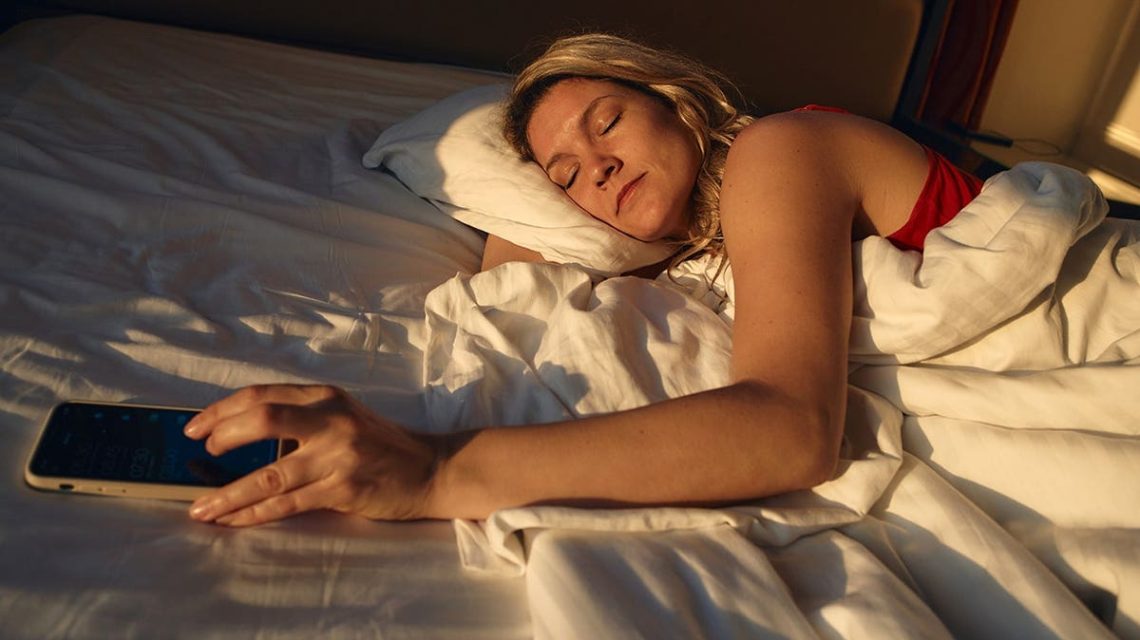
Where you live can greatly impact your sleep. Experts and studies on urban environments reveal this influence.
Erin Palinski-Wade, a nutritionist based in New Jersey and author of ‘The Sleepdemic Solution,’ explains that the environment around your home and neighborhood can disrupt sleep. Noisy surroundings, living with others, or pets often interfere with sleep routines. She emphasizes the need to adapt if you live in noisy areas.
“If you live in noisy environments, the fact is that it is going to be noisy and you do have to make some adjustments,” Palinski-Wade explained.
She suggests using tools like a white noise machine when living near busy streets to counteract environmental noise. Other effective measures include installing blackout curtains and keeping bedroom doors closed to minimize disruptions.
Research indicates that even the neighborhood’s visual and environmental characteristics can indirectly affect sleep. A study led by Professor Daisuke Matsushita from Osaka Metropolitan University examined urban landscapes using artificial intelligence. By analyzing over 200,000 Google Street View images, the study assessed features like perceived safety and environmental aesthetics.
“Based on the technique used in this study, cities could potentially measure perceived safety, beauty, liveliness and enclosure, as well as pollution and noise,” Matsushita stated.
The study included 1,089 adults living on the lower floors of apartments in Tokyo. Findings suggested those in neighborhoods perceived as safer enjoyed longer sleep. Elements like urban greenery and building enclosures related to better sleep and fewer insomnia issues.
In contrast, neighborhoods with high walkability were linked to a lower sense of safety and reduced sleep, likely due to increased foot traffic. The artificial intelligence analysis concluded that perceived safety in streetscapes contributes to better sleep. Matsushita hopes these insights encourage better neighborhood design for health benefits.
Palinski-Wade also recommends using blackout curtains to block light pollution for more restful sleep. Simple environmental adjustments in the home, such as controlling room temperature and closing bedroom doors, affect external noise levels entering sleep spaces.
The research doesn’t suggest relocating but highlights manageable factors that impact sleep. While the study used self-reported data from Tokyo adults, its findings show the need for more research across diverse living conditions.
Following a consistent sleep schedule, even on weekends, is a practical step to improve sleep quality, according to Palinski-Wade.
Khloe Quill, a lifestyle writer at Fox News Digital, along with the team, explores stories on food, travel, and more.
 Lawsuit Filed Over Preeclampsia Death in Texas Amid Abortion Ban Controversy
  Illinois American Water Faces Opposition Over Proposed Rate Increase
  Porsha Williams Opens Up About Emergency Surgery and Health Challenges
  Discussing Weight-Loss Medication with Children: A Parent’s Approach
  Conjoined Twins Separated in Complex Surgery
  Genetic Mutation Linked to Elevated Lung Cancer Risk