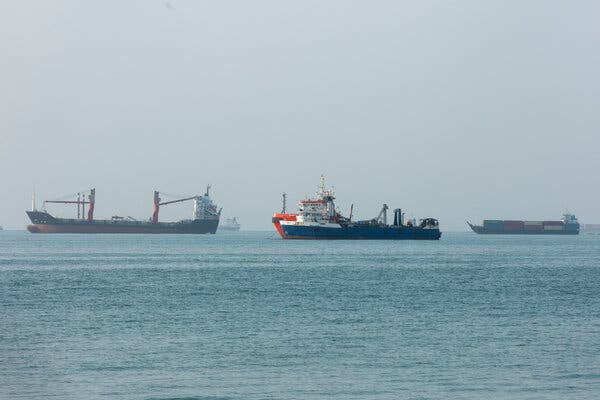
On May 25, 2026, U.S. military forces launched strikes in southern Iran, which U.S. Central Command described as ‘self-defense strikes’ aimed at protecting American troops from Iranian threats. The strikes targeted missile launch sites and Iranian boats attempting to place mines.
According to Captain Tim Hawkins, a spokesperson for Central Command, the strikes were necessary to defend U.S. forces, while the military exercised caution during an ongoing ceasefire. Specific details about which American ships came under fire or the precise locations of these strikes were not disclosed.
A senior U.S. military official indicated that Iranian surface-to-air missiles posed threats to nearly twenty U.S. Navy warships, including two aircraft carriers and their accompanying vessels. These ships enforced a blockade against vessels entering or leaving Iranian ports in the Gulf of Oman and Arabian Sea. The recent strikes occurred near Bandar Abbas, which is a significant port and naval base for Iran.
Despite a ceasefire that began around six weeks ago, American and Iranian forces have experienced other skirmishes. The latest strikes coincided with Iranian negotiators arriving in Qatar for discussions aimed at ending the conflict. This increased military activity could jeopardize a fragile agreement mentioned by President Trump. Such an agreement could potentially reopen the Strait of Hormuz, addressing a significant energy disruption.
The focus of Iranian missile systems on U.S. Navy ships did not come as a shock. President Trump, Defense Secretary Pete Hegseth, and various military leaders have claimed that the recent American-Israeli military campaign significantly weakened Iran’s military capabilities.
 Key Updates on U.S. Politics and International Relations
  Hurricane Polo Threatens Baja California Sur; Hawaii Faces Impact from Hurricane Nolo
  U.N. Report Highlights U.S. Airstrike on Iranian School
  Critics Slam Dan Scavino for AI-Generated Video After State Dinner
  British Authorities Arrest Suspects in Alleged Terror Plot Near Military Base
  Russia Continues Aggression on Ukraine, Amidst Diplomatic Efforts