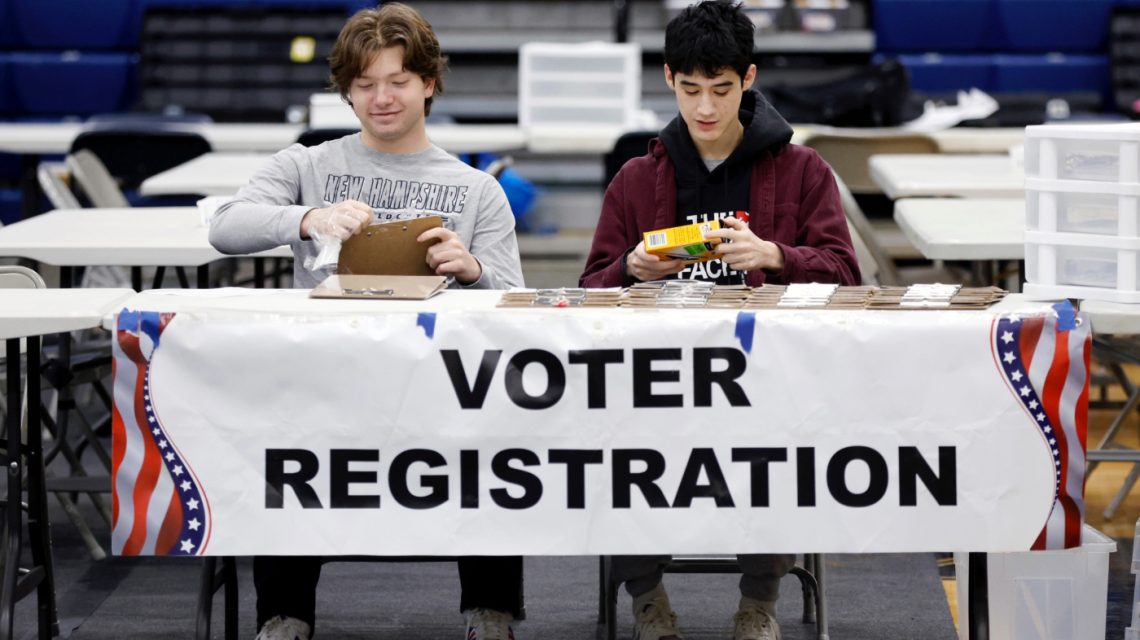
High school students Sawyer Brockman and Jack Skilling recently volunteered at a voter registration table at Windham High School in Windham, New Hampshire. Their effort highlighted the critical role of young voters in shaping the outcomes of elections. As November approaches, Democrats hope for a positive election night, but the extent of their success depends on young voter turnout. This demographic could decide Senate control and the effectiveness of the Democratic House majority.
Currently, the left faces challenges in youth engagement, with minimal investment in organizing, media, and online programs. This trend follows the right’s substantial $1.2 billion investment in youth in 2024, surpassing the left 10 to 1. Despite decreasing approval for Trump among young voters, the left lacks sufficient youth-focused resources. Past lessons show that underinvestment does not produce favorable results.
Many young voters favor Democrats, as seen in the 2025 elections and recent polls. Traditionally, students and young women have supported Democrats. Young men who backed Trump in 2024 are shifting due to the Iran War and economic issues. In battleground states like Texas and Michigan, young voters prefer Democratic candidates significantly. A September survey by flytedesk shows Democrats hold a 52-point lead among students on the generic ballot.
However, young voter participation is uncertain. They are 21 to 27 points less motivated to vote in off-year elections than older voters. In the previous midterm, only 28 percent of Gen Z voted in 2022 compared to 50 percent in 2024. Turnout among young voters is highly variable. Between 2020 and 2024, turnout for those under 35 fell by 7 percent, amounting to 2.5 million fewer young voters. Additionally, 40 percent of Gen Z and 36 percent of people under 35 are not registered, with 11 percent registered but not voting in 2024.
This issue is compounded by high mobility among young people, who often face voting challenges as first-time voters. By 2025, 36 percent of those under 35 had moved in the past two years, and 52 percent in the last four. College students in key states frequently move, with nearly 1 million crossing state lines for education. Republican officials have made student voting harder by limiting polling sites and student ID use, notably in North Carolina and New Hampshire. Yet, young organizers are responding. North Carolina College Democrats inform students about poll changes, and Voters of Tomorrow’s Virginia chapter secured a polling site at Hampton University.
Reaching young voters requires novel approaches. Thye don’t watch local TV or engage with traditional outreach. Instead, they are present in private online communities like group chats and student organizations. Effective outreach relies on trusted individuals and established channels. Nationwide groups are laying the groundwork to enhance young voter turnout. While Republicans have invested heavily in reaching young voters, Democrats must recognize this threat. Young voters tend to support Democrats, but turnout is crucial.
Twenty-eight states now offer same-day voter registration or have deadlines within 15 days of Election Day. The competition for the youth vote remains intense.
Celinda Lake is a seasoned Democratic pollster. Eve Levenson serves as the chair of Voters of Tomorrow’s board and previously directed the Youth Vote for the 2024 Harris-Walz campaign.
 Financial Sector’s Wake-Up Call on Financial Crimes
 Federal Judge Restores White House Access for Cable Giant
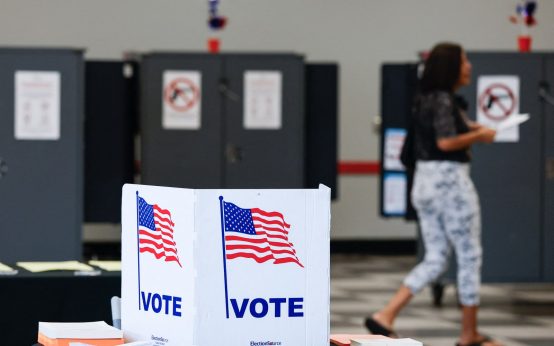 Democrats Focus on Utility Costs in 2026 Midterms
 Trump’s Comments on European Unrest Highlight Strained Relations
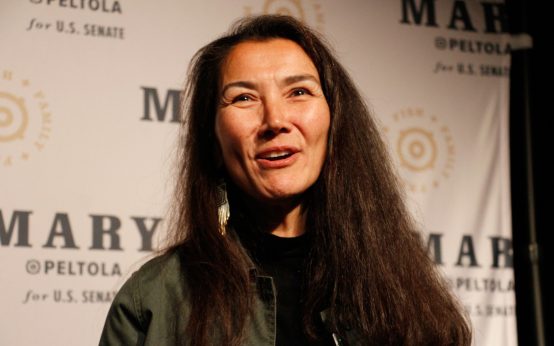 Alaska Senate Race: Peltola vs. Sullivan
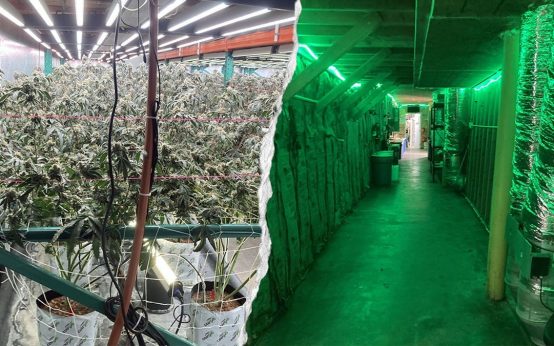 Congressman Gallagher Urges FBI to Combat Illegal Marijuana Operations in Northern California