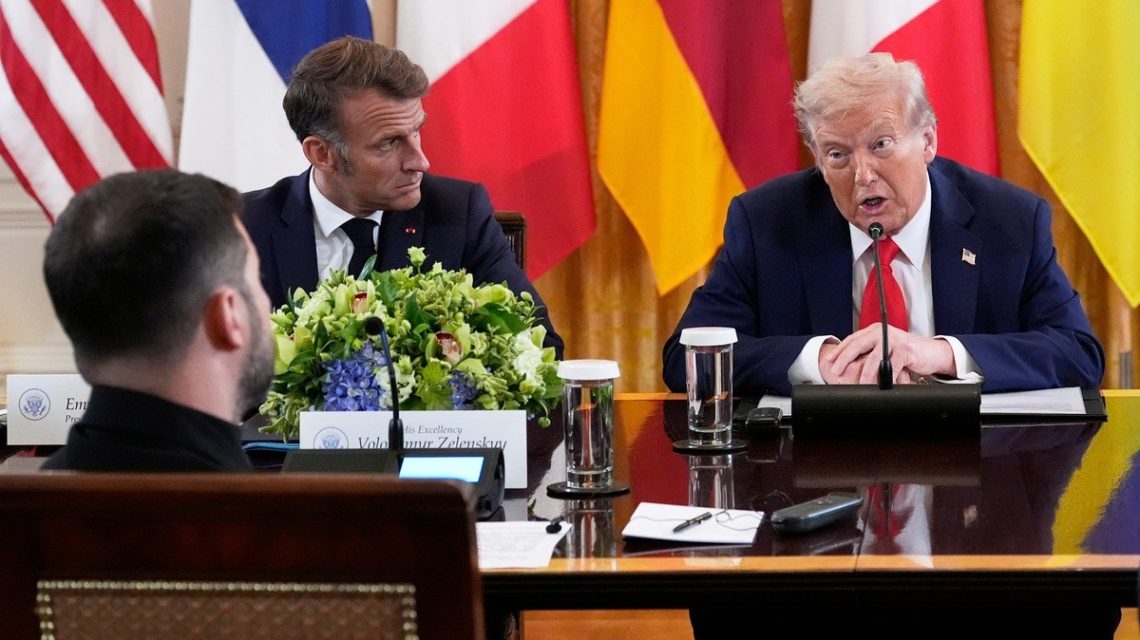
President Donald Trump has suggested that the U.S. might “leave” Europe, attributing recent riots in French cities to immigrants, religious extremists, and left-wing groups. The intentions behind Trump’s remarks remain unclear. The White House has been contacted for further clarification. These statements raise new concerns about the future of U.S. relations with European allies.
French authorities implemented curfews in central Paris and several other urban centers on Monday. Crowds of protesters took to the streets, protesting high living costs, which led to violent confrontations and looting of stores. In Limoges, a significant fire damaged the town hall, partly collapsing its roof. Authorities arrested more than 2,000 individuals over the weekend while French President Emmanuel Macron called for peace.
Trump, posting on Truth Social, referred to France as “a once-great nation” now suffering due to migrants, jihadists, and perceived detractors of Western civilization. He accused left-wing politicians of facilitating the arrival of migrants who oppose Western values.
The unrest in France is linked by Trump to upcoming U.S. midterm elections, pointing to Republican struggles with rising fuel prices and decreasing approval ratings. “Look at France to see what’s at stake in this Election,” Trump commented.
French officials hold far-left groups accountable for escalating demonstrations initially driven by students against poor education standards and high prices. Macron noted that violent actors joined these protests.
“Europe must CLOSE THEIR BORDERS and expel those who disdain their countries quickly,” Trump stated.
“We stand with Europe, but must ‘leave’ if they don’t soon return to their way,” he added.
Trump’s recent comments align with the U.S. administration’s ongoing attempts to reshape its relationship with Europe. The administration advocates for Europe to assume more responsibility for its security, questioning long-standing transatlantic alliance assumptions since World War II.
Trump has aimed to reduce American troop levels in Europe, encouraging nations there to rely less on U.S. military support. This shift would enable a greater focus on China and the Indo-Pacific region. The Pentagon’s review of U.S. military presence in Europe has caused concern in European capitals near Russia, fearing potential aggression from Moscow.
Washington’s scrutiny of Europe’s trajectory stems beyond current riots. Several European governments have vowed to boost defense spending amid security threats. These commitments, however, face challenges from aging populations and rising welfare costs combined with slow economic growth.
The language in Trump’s statement echoes sentiments in the White House’s national security strategy, released in November 2025. This document attributes “civilizational erasure” to migration policies, which sparked criticism across Europe. One senior French official termed it a “brutal clarification” of U.S. views on Europe. Yet, supporters argue that these issues are increasingly unavoidable for mainstream European parties.
The strategy openly endorsed U.S. political allies in Europe and applauded the influence of patriotic European parties. Attempts by centrist European parties to recapture voter support from surging right-wing movements have often led to stricter immigration policies. Immigration levels have risen in Europe due to conflicts in the Middle East and Africa.
In early 2025, Vice President JD Vance met Alice Weidel, leader of the far-right Alternative für Deutschland. Vance criticized Europe’s handling of immigration as a core problem exacerbating the riots.
Trump officials have backed Marine Le Pen, head of the National Rally in France. Jordan Bardella, a senior party figure, attributed the unrest to immigration dynamics.
There seems to be no immediate indication that the U.S. intends to completely sever ties with Europe. However, Trump’s statements highlight a shift in Washington’s perspective: Europe is moving from a reliant ally toward being seen as a partner expected to contribute more.
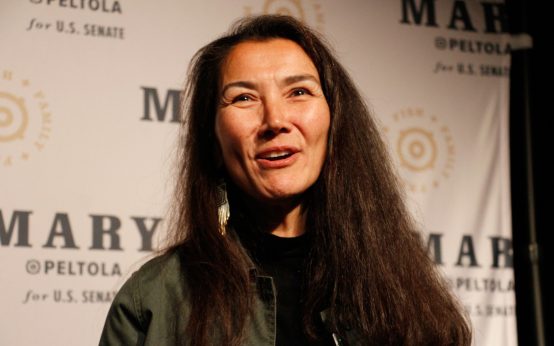 Alaska Senate Race: Peltola vs. Sullivan
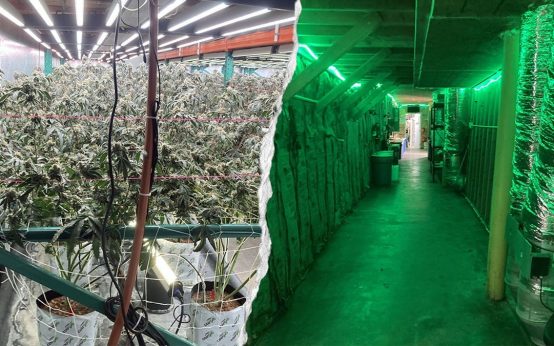 Congressman Gallagher Urges FBI to Combat Illegal Marijuana Operations in Northern California
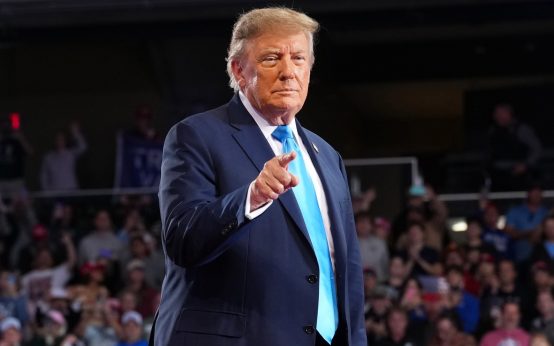 President Trump’s Economic Policies and Voter Perceptions
 Putin’s Summer of ’69: A Different Worldview
 Netanyahu’s Regional Alliances and Isolation
 Elections 2026: Major Developments and Ongoing Coverage