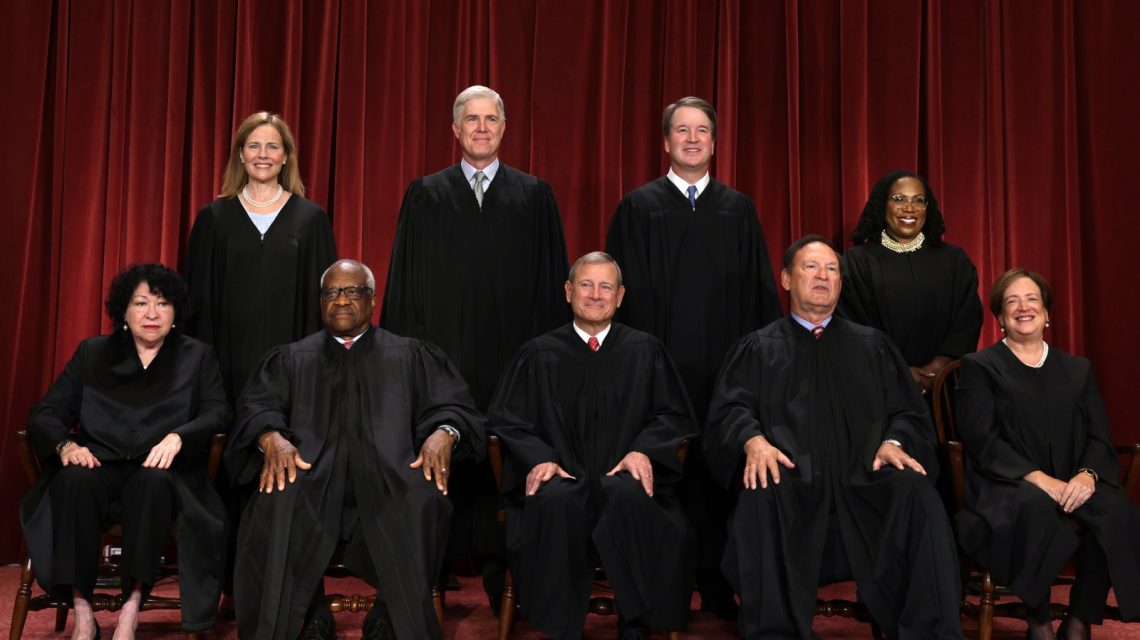
The U.S. Supreme Court is beginning its new term with critical decisions ahead. Topics include the Second Amendment, voting rights, and climate change lawsuits. These rulings will address pivotal legal questions and may influence significant political conflicts in the coming year.
The court enters this term amid declining trust, as surveys show a perception of increasing political bias. Last term, the court tackled issues tied to President Donald Trump’s platform, such as tariffs and birthright citizenship, alongside decisions on voting rights and transgender athletes.
Key Cases to Watch
The Supreme Court has listed 29 cases for the new term but is expected to add more. Here are three significant upcoming cases.
Voting Rights: Republican National Committee v. Mi Familia Vota
This case examines Arizona’s laws requiring proof of citizenship for voter registration. It also mandates the removal of non-citizens from voter rolls if evidence is found. The Ninth Circuit Court of Appeals previously determined these state laws are preempted by federal law. The Republican National Committee seeks relief, claiming the Ninth Circuit’s decision was erroneous.
The court will review whether the National Voter Registration Act prohibits these Arizona laws. Legal studies professor Paul Collins suggests the conservative majority may support the RNC, potentially complicating voting access in the U.S.
Second Amendment: Viramontes v. Cook County
In Viramontes v. Cook County, the court will address if individuals have the right to own AR-15s and similar rifles. Petitioners argue these firearms are common and thus protected by the Second Amendment. Justice Brett Kavanaugh previously noted a strong argument for their protection.
Cook County defends its ban, citing the weapons’ destructive capacity and community harm. Collins believes the conservative majority might favor gun rights, challenging Cook County’s ordinance against AR-15s.
Climate Change Lawsuits: Suncor Energy v. Boulder County
This case involves Boulder County’s lawsuit against energy entities like Suncor Energy, alleging that fossil-fuel production exacerbates climate impacts causing local harm. The key question is whether federal law blocks state-law claims for climate-related injuries. Justice Samuel Alito recused himself, influencing case dynamics.
Collins expects the remaining conservative justices to support energy firms. A ruling favoring corporations could shield them from local climate-related accountability, affecting other similar lawsuits.
Supreme Court’s Trust Challenge
A Gallup poll shows low public trust in the Supreme Court, with 34% approval and 61% disapproval. Views are polarized, with 65% of Republicans approving compared to 12% of Democrats.
Collins sees the new term as a chance for conservative justices to address controversies. Justice Ketanji Brown Jackson criticized the court’s emergency docket use, implying it gives undue advantage in bypassing standard case procedures. Justice John Roberts warned against abruptly overturning precedents, fearing institutional harm.
Former President Trump criticized recent court rulings regarding electoral maps and citizenship policies, seeing them as politically driven missteps.
 Trump Announces Creation of New AI Coordination Force
  Challenges of the Upcoming U.S. Midterm Elections
  UK’s New Prime Minister Plans for Economic Revival
 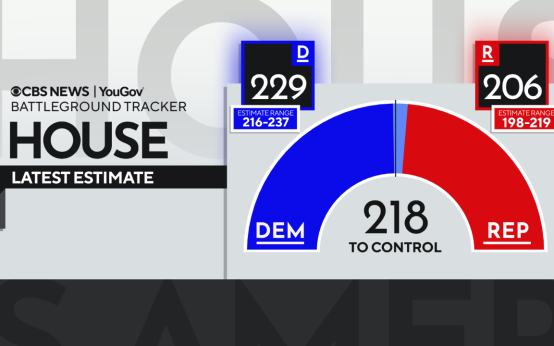 Key Insights from the Latest CBS News Poll on Midterms
  Trump’s Influence on Executive Power
  Actor George Clooney Identifies Prominent Democrats Ahead of 2028 Election