
Andy Burnham, the newly appointed British Prime Minister, addressed the Labour Party’s annual conference in Liverpool on September 29. His speech outlined a “new path” aimed at rejuvenating the country’s economy. However, this approach resonates with strategies employed by his six predecessors over the past decade.
In his address, Burnham emphasized increased government spending as the cornerstone of his plan to pull the United Kingdom out of its economic difficulties. This policy echoes previous commitments made by former prime ministers, who also believed that increased financial investments would be the remedy for Britain’s ongoing economic challenges.
While Burnham’s proposal signifies a continuation of past strategies, it raises questions about the efficacy of similar past efforts. The country’s economic stagnation has persisted despite repeated attempts by leaders to stimulate growth through spending initiatives. Observations from political analysts suggest that without structural reforms, increased expenditure alone may not yield the desired economic outcomes.
“The challenge lies in implementing sustainable measures that go beyond conventional spending,” notes a leading economist.
As Burnham takes the helm, he faces the task of distinguishing his administration’s strategies from those of his predecessors, while also addressing the skepticism surrounding fiscal policies that have yet to tangibly reduce economic stagnation.
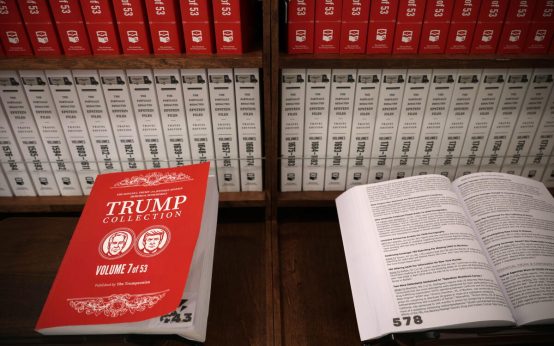 Challenges of the Upcoming U.S. Midterm Elections
  Key Insights from the Latest CBS News Poll on Midterms
  Trump’s Influence on Executive Power
 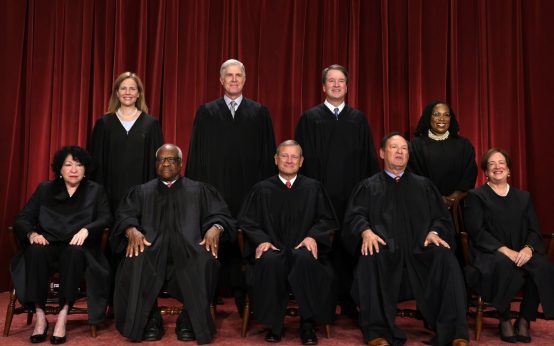 Supreme Court’s New Term: Key Cases and Challenges
  Actor George Clooney Identifies Prominent Democrats Ahead of 2028 Election
  Steve Hilton’s California Dream: Wooing Latino Voters