Dengue Cases Rise Across U.S. States
Following a notable outbreak of dengue fever in Florida, health officials report an increase in cases across various U.S. states. According to data from the Centers for Disease Control and Prevention (CDC), the number of dengue cases has increased in at least 15 states, with Florida experiencing the largest surge.
Florida’s Ongoing Dengue Outbreak
Florida continues to grapple with a significant dengue outbreak, leading to heightened concern among public health authorities. This year, the state has documented numerous dengue infections, including many locally acquired cases. These infections have predominantly occurred in the Tampa Bay area, prompting emergency declarations in several counties.
Understanding Dengue Fever
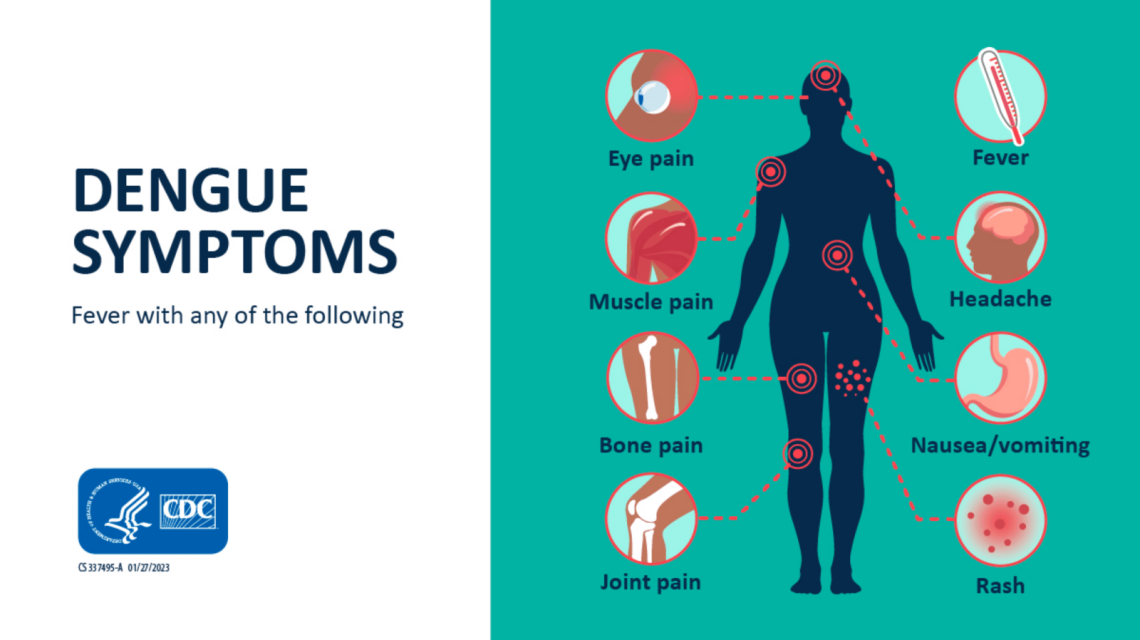
Dengue fever is a viral illness transmitted by mosquitoes. Symptoms can include fever, headache, eye pain, nausea, vomiting, rash, muscle pain, and joint pain. While most cases remain mild and many individuals remain asymptomatic, severe dengue is life-threatening. It can result in shock, severe bleeding, and organ failure.
Reasons Behind Rising Cases
The increase in dengue cases in the U.S. links to factors such as international travel and the presence of Aedes mosquitoes, which can transmit the virus. Dengue thrives in tropical and subtropical climates. When infected travelers return to the U.S., local mosquitoes may spread the virus.
CDC Data on State Increases
Recent CDC data shows a rise in reported cases since the last update. Florida’s cases increased significantly from 392 to 485. Other states reporting increases include:
- California: 31 to 45 (+14)
- New York: 27 to 31 (+4)
- Texas: 14 to 17 (+3)
- New Jersey: 16 to 19 (+3)
- Illinois: 10 to 13 (+3)
- Washington: 16 to 18 (+2)
- Maryland: 11 to 12 (+1)
- Connecticut: 6 to 7 (+1)
- Massachusetts: 10 to 11 (+1)
- Kentucky: 4 to 5 (+1)
- Indiana: 2 to 3 (+1)
- Nebraska: 2 to 3 (+1)
- Colorado: 10 to 11 (+1)
- West Virginia: 0 to 1 (+1)
The states mentioned saw a collective rise of 130 cases between reporting periods.
Preventive Measures and Ongoing Concerns
Health officials advise reducing mosquito exposure with EPA-registered repellents, wearing long sleeves, and eliminating standing water. The latest CDC data suggest that dengue remains prevalent in Florida and is rising in other states. Although most U.S. dengue cases arise from travel, Florida’s outbreak shows how local transmission can escalate where dengue-carrying mosquitoes exist.
 Miracles and Healing: Insights from ‘The Angels Among Us’
  Tickborne Alpha-gal Syndrome Impacting Martha’s Vineyard
  Examining Dementia and Lucidity: Readers Share Insights
  Addressing Systemic Racism: The Importance of ‘The Talk’ for Black and Brown Families
  Early Detection of Silent Atherosclerosis Highlights Need for Heart Health Awareness
  White House Announces Medicare Fund for One-Time Payments