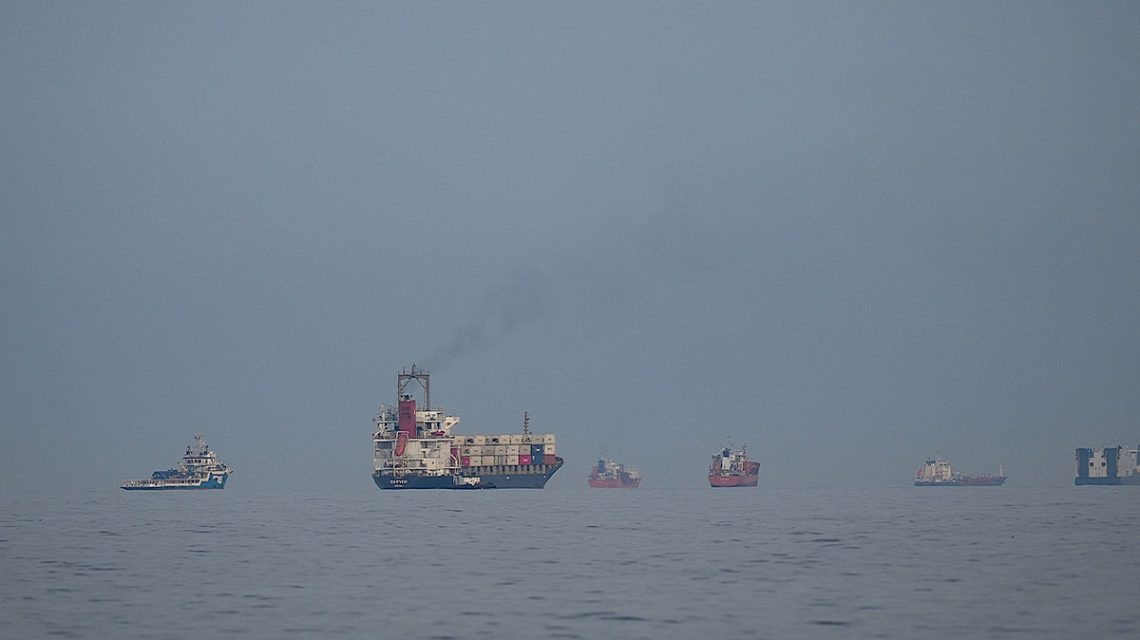
Lauren Simonetti from Fox Business highlights Iran’s severe oil situation. The U.S. blockade has trapped 46 Iranian oil ships, and Kharg Island’s potential seizure is seen as a significant move. Iran has packed its storage tanks to 77% and resorts to ship-to-ship transfers to sidestep sanctions.
Nearly 40 million barrels of Iranian crude lie east of Singapore, near Malaysia. This amounts to about 20 large crude carriers, representing an opportunity for Tehran. Despite restrictions, Iran could still convert this floating stockpile into cash.
“The blockade isn’t effectively stopping the flow of oil already past the line,” explained Max Meizlish, a former Treasury official.
The Trump administration uses what it calls its financial “endgame” against Tehran. With “Operation Economic Outcast,” Treasury Secretary Scott Bessent aims for a “zero-leakage approach.” This tactic hinders Iran’s oil exportation further. China’s crude imports from Iran dropped to 534,000 barrels per day this month, from a previous 823,000 barrels, as reported by Kpler.
Still, Iran holds approximately 80 million barrels in floating storage, with half nearby Malaysia. This scenario challenges the U.S. administration to prevent Tehran from capitalizing on these resources.
Shipping transfers obscure oil origins to reach buyers, often in China. Though outside the blockade zone, Iran still needs to finalize oil delivery and secure payments.
Sanctions involve settling oil sales in Chinese yuan, and using exchange houses and front companies. U.S. financial systems remain cautious, with past actions against Chinese and Hong Kong entities aiding Iranian evasion.
The U.S. considered sanctions tied to Iranian oil, linked to military actions and regional influence. Bessent’s strategy lacks explicit mention of China, yet the matter might invite higher-level talks between Washington and Beijing.
Treasury previously targeted routes near Malaysia. In April, it sanctioned a Hong Kong-flagged tanker for transferring Iranian crude to China.
Meizlish suggests expanding pressure on shadow-fleet tankers operating near Malaysia, a hub for illicit transfers. He believes China’s declining purchases indicate the campaign’s effect, though shadow-fleet tankers remain a potential future revenue source for Iran.
A U.S. War Department official indicated ongoing “global maritime enforcement” aims to disrupt illegal networks and intercept vessels supporting Iran.
Operation Economic Outcast wants to sever Iran’s economic lifelines from the global financial system.
The Navy faces challenges in tackling shadow-fleet tankers, often causing legal disputes. Meizlish urges potential support from Congress to ease cargo seizures and suggests expanding operations beyond the Navy’s current capabilities.
Bessent’s campaign also targets digital assets and secondary sanctions for entities collaborating with Tehran. The drop in China’s purchases means Iran struggles to market new oil. Millions of barrels, however, are beyond the blockade. If Tehran still sells this oil, and the U.S. assesses intervention near Malaysia, it will determine if “zero leakage” is truly achievable.
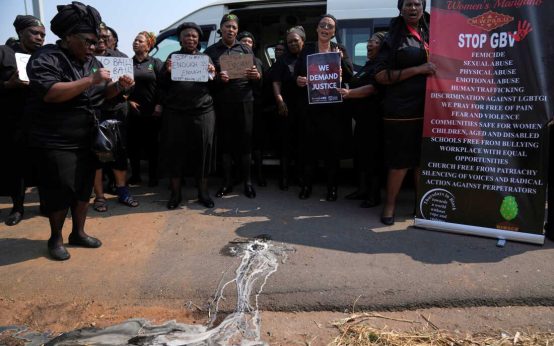 Rising Concern Over Gender-Based Violence in South Africa
 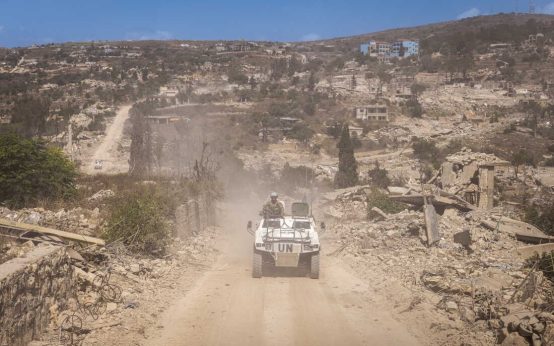 UNIFIL’s Final Patrol in Southern Lebanon Amid Changing Borders
 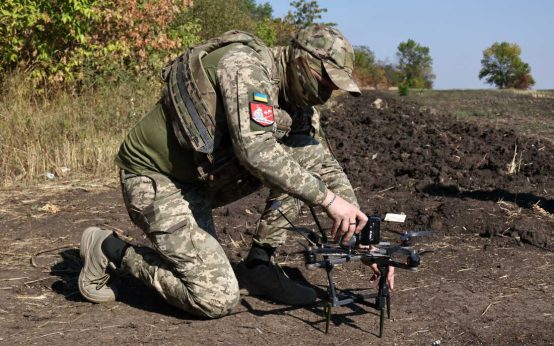 Ukraine Launches Massive Drone Attack on Moscow Amid Elections
  Ovechkin’s Political Controversy Amid Russian Elections
  Ukraine’s Major Drone Attack Intensifies Moscow Conflict
  AI Talent and Geopolitical Challenges Between the U.S. and China