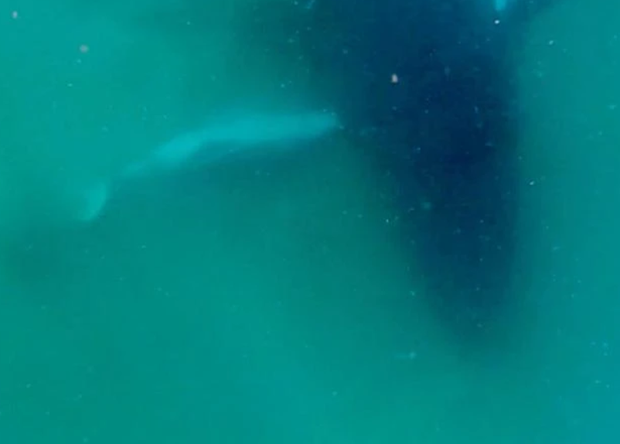
Research released on September 16, 2026, has documented the apparent grieving behavior of a female humpback whale after the stillbirth of her calf, offering rare insights into the emotions of sea-dwelling mammals. The footage, recorded off Australia’s Gold Coast, shows the whale remaining close to the deceased calf as it lies on the seafloor, maintaining eye contact and touching it with her head and fin.
Andrew Mulville from the Sea World Foundation described the scene, noting, “It was definitely not what I was expecting to see out at sea that day.” Researchers highlighted that the whale stayed with the calf for several hours and possibly days. Olaf Meynecke from Griffith University’s Whales and Climate Research Program commented, “It’s pretty heartbreaking to watch this female making continuous contact with the deceased calf.” He emphasized the strong bond between mother and calf and the emotional stages these socially complex mammals experience after losing offspring or companions.
Meynecke, alongside Mulville, reported this as the first detailed documentation of humpback whale (Megaptera novaeangliae) post-mortem attendance of a stillborn. The study noted that the whale did not attempt to bring the calf to the surface, indicating an awareness of its death shortly after birth. The observations may represent grief-related behavior in humpback whales.
This behavior is not unprecedented among marine mammals. In 2018, an orca became notable for carrying her dead calf for over two weeks, later seen carrying another newborn just days after its birth was confirmed. Such complex grieving rituals are observed in non-human mammals like elephants and apes, though rarely documented at sea.
The footage follows the capture of a humpback whale birth by drone, believed to be a first. Additionally, researchers recently announced a record-breaking swim by humpback whales across 9,383 miles between breeding grounds, showing their astounding traveling behaviors.
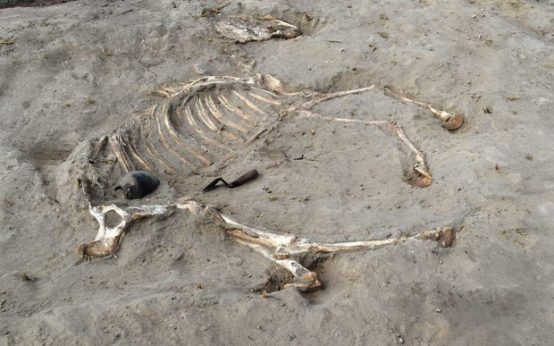 Ancient Warhorse Unearthed in Egypt: A Glimpse into Military Life
 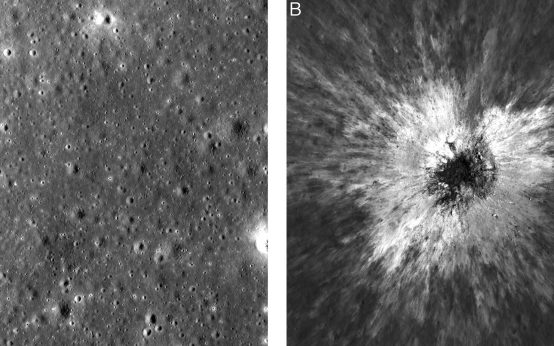 Scientists Discover Enormous Crater on Moon
 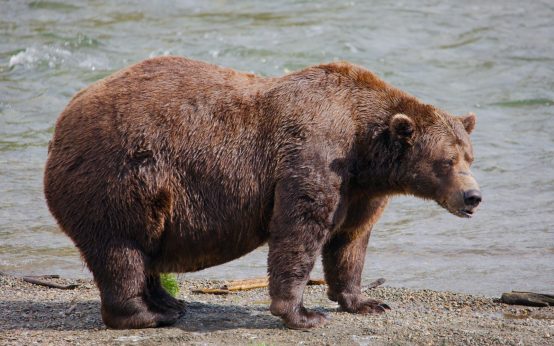 Fat Bear Week 2026: A Celebration of Alaska’s Largest Brown Bears
  Challenges in AI Development
  Ancient Betel Nut Usage Revealed Through Archaeological Study
  Personal Journey in Understanding Neurodegenerative Diseases