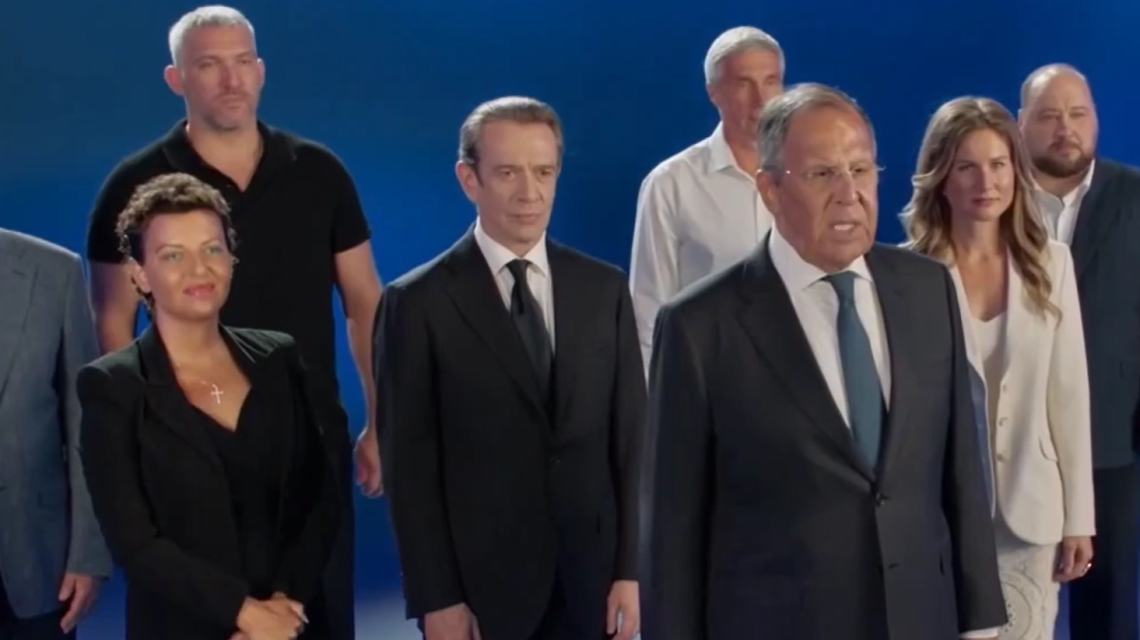
Alex Ovechkin, a star player for the Washington Capitals, faces significant criticism. This follows his appearance in an election campaign advertisement for Russia’s United Russia party, led by Vladimir Putin. Ovechkin, addressing the media, emphasized his apolitical stance, saying, “I’m not into politics,” and voiced his support for his homeland, calling for “peace and love for everyone.”
Critics argue that Ovechkin’s intentions might not be as innocuous as he suggests. However, calls for his punishment appear exaggerated since his actions didn’t involve threats or incitement.
Peace, Love, and Political Messaging
Ovechkin’s involvement in the ad didn’t include a spoken role. His presence alongside notable Russian figures, like Foreign Minister Sergei Lavrov, who made aggressive statements, suggested support beyond patriotism. Ovechkin insists his endorsement is merely the backing of his country, which raises questions about the nature of these actions.
This endorsement does not align with a simple nationalistic sentiment. It directly supports Russia’s dominant party, closely associated with Putin, under whose leadership a brutal conflict against Ukraine is ongoing.
Political Endorsements and Sporting Careers
Calls from figures such as Republican Rep. Joe Wilson seek to clarify the NHL’s stance on foreign political endorsements by players. Hall of Fame goalkeeper Dominik Hasek believes the ad signifies support for Russia’s military actions.
Comparisons arise with American athletes like Stephen Curry and LeBron James, who have publicly supported U.S. politicians without facing backlash. Similarly, NBA player Nikola Jokić’s affiliation with Serbian leaders went without consequence, despite questions of electoral legitimacy.
Ovechkin’s Controversial Legacy
Ovechkin has endorsed Putin since 2017. Launched alongside this was the ‘Putin Team,’ a campaign to rally Russian national pride. Despite this, the Washington Capitals continued to extend lucrative contracts to Ovechkin, showcasing the complexity of condemning athletes for political positions.
Critics have every right to challenge Ovechkin’s defense and question his participation with Lavrov. Fans and journalists can vocalize disapproval through various platforms. However, translating criticism into punitive actions introduces inconsistency, begging for a clear standard across the sports industry.
If a firm stance on athletes’ political endorsements emerges, it should be uniformly enforced. Otherwise, Ovechkin deserves to face public scrutiny but continue his playing career uninterrupted.
 Trump Criticized for Photo with Putin
 Landry Kiffin Turns Controversy into Content
 Kim Jong Un Ignores Outreach from President Trump
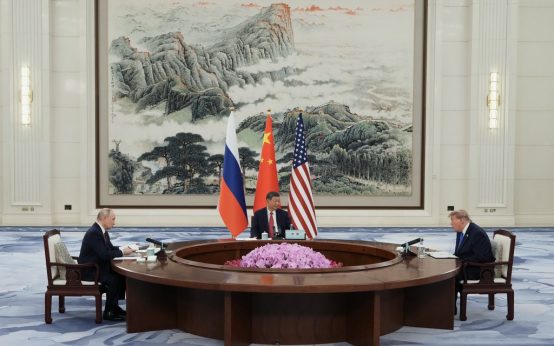 Nikki Haley Critiques Trump’s Three-Way Summit with Putin and Xi
 The Political Symbolism of Facial Hair: A Look at Mayor Mamdani’s Mustache
 Analyzing Gender Disparity in Chinese Politics