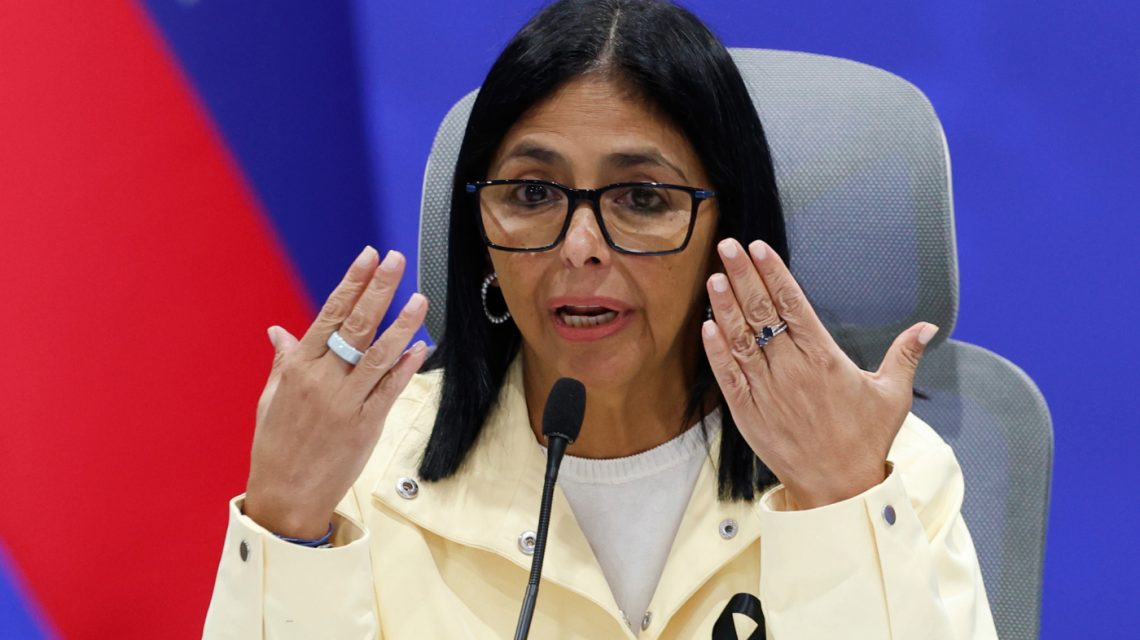
Delcy Rodríguez, acting President of Venezuela, addressed the government’s response to recent earthquakes in Caracas with a notable shift in diplomatic relations.
In a dramatic turn, the Venezuelan regime, once vocal in its opposition to Israel, has shifted its stance. In June 2010, then-President Hugo Chavez condemned Israel vehemently. Today, Delcy Rodríguez extends greetings to Israel and its people.
The shift began last January after Nicolas Maduro was removed. Within six months, Venezuela moved from celebrating the Iranian revolution to sending Passover greetings to Israel. In April, Rodríguez issued a message for Passover, calling for peace and coexistence among religions in Venezuela.
Previously aligned with Iran’s government for over 20 years, Venezuela did not send any high-level delegation to Ayatollah Ali Khamenei’s funeral, marking a diplomatic departure. The capture and extradition of Ali Zaki Jalil, a Hezbollah agent, further demonstrates this shift.
The extradition of Alex Saab, a high-ranking official charged with money laundering in the U.S., signified a break from past collaborations with Iran and Hezbollah. Saab’s actions allegedly included providing Venezuelan passports to terrorists and funneling money to Iran-backed groups.
Another significant step included handing over highly enriched uranium to the U.S., contributing to the safety of the Americas and Israel. This operation involved collaboration with the U.K. and technical support from the International Atomic Energy Agency.
Following two earthquakes on June 24, Israeli military and humanitarian experts were dispatched to assist Venezuela. Rodríguez acknowledged the professional support received, facilitated by the Jewish community in Venezuela.
The Israel Defense Forces (IDF) proposed a national rehabilitation plan, with structural assessments prioritizing residential buildings. Israeli Prime Minister Benjamin Netanyahu praised these efforts, emphasizing Israel’s support in both rebuilding and improving bilateral relations.
Amid significant propaganda shifts, the Venezuelan interim government seeks stronger ties with Israel, aiming for legitimacy and support on the international stage. While they portray change, the core demands within Venezuela remain firm. Political freedom, the return of exiles, and fair elections are crucial for the nation’s recovery.
Arturo McFields, an exiled journalist, remarks on this evolving situation. McFields brings his experiences as a former Nicaraguan ambassador to discussions surrounding Venezuela’s future.
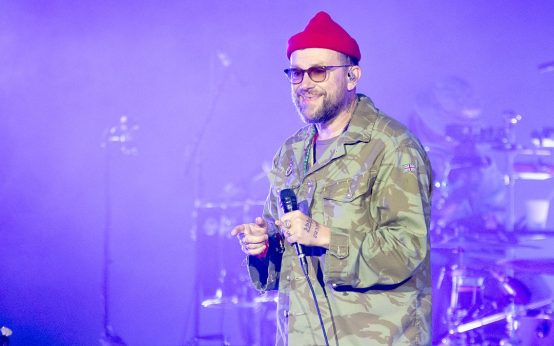 Gorillaz and Macklemore Respond to Controversy Over Israel-Palestine Statements
 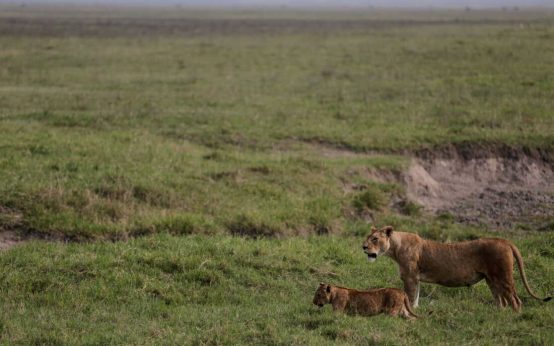 Investigation into Lion Deaths in Tanzania
 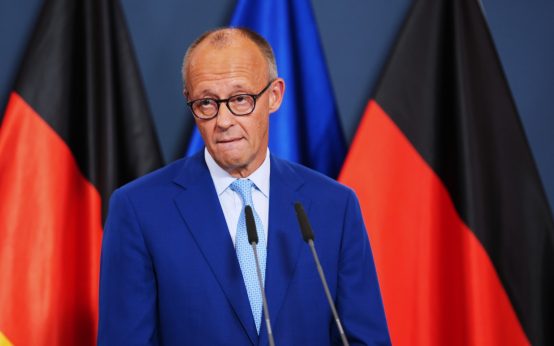 Merz Stays Resolute Amid Electoral Shifts in Germany
  The Impact of Arts and Closure on Democracy
  U.S. Ambassador Comments on Iran War Duration Amid Political Concerns
  U.S.-Iran Relations and Diplomacy at Upcoming U.N. Assembly