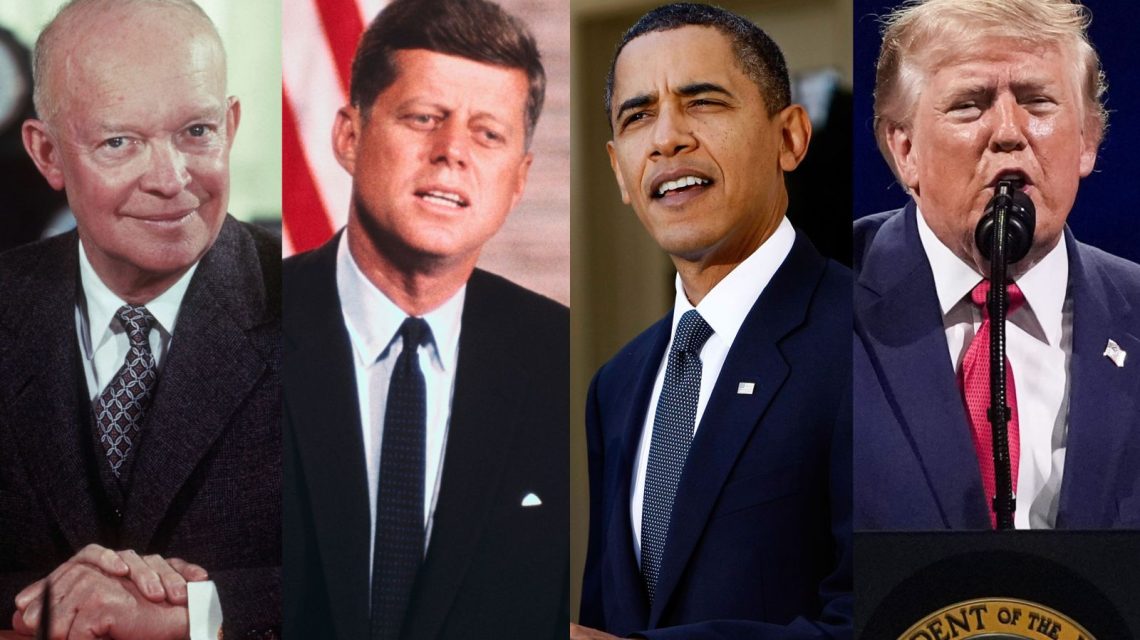
During Dwight D. Eisenhower’s presidency, American support for presidents crossed party lines. Political polarization has since intensified, significantly reducing cross-party support.
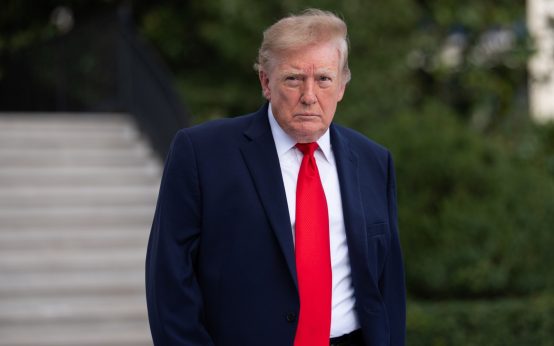
A Pew Research Center survey highlights this trend. Donald Trump’s approval rating was 34 percent as of mid-July, reflecting a stable but low level since joint U.S.-Israel actions against Iran. Inflation concerns also affect his rating. Comparatively, former President Joe Biden had a 37 percent approval in the summer of 2022 amid high inflation.
Approval ratings often dip from inauguration to midterms. Notably, Trump’s support among opposing party voters remains low. On average, 84 percent of Republicans support him, while only 6 percent of Democrats do, creating a 78-point gap. This is near a record, eclipsed only by an 80-point gap during Trump’s first term. Pew data excludes independents.
The Historical Context of Political Division
The partisan gap in presidential approval existed before Trump. During Biden’s term, the gap was 71 points; Obama witnessed a 67-point divide. In Eisenhower’s era, Republicans liked him at 88 percent and Democrats at 49 percent. Similarly, JFK saw 84 percent from Democrats and 49 percent from Republicans. The trend began intensifying in the 1970s, says Julian Zelizer, a Princeton political historian.
Lyndon B. Johnson had a 30-point gap; Richard Nixon’s was 41 points. It narrowed slightly with Gerald Ford but expanded under Jimmy Carter. Ronald Reagan experienced a similar divide. William A. Galston, a Brookings Institution political expert, notes heightened polarization during the administrations following Reagan.
Impact of Recent Events
George H. W. Bush’s presidency had a 44-point gap, increasing to 58 points with George W. Bush. Bill Clinton saw a 53-point divide. More recent presidents continue this downward trajectory.
While Trump may have amplified the divide, it didn’t begin with him. A University of Cambridge study shows U.S. divisions grew 64 percent since 1988, largely post-2008. Obama’s election, alongside economic and technological shifts, marked a pivotal year.
Zelizer notes the changes in voter behavior since Eisenhower’s time when states were more swingable. The divide now includes ‘affective polarization,’ where voters dislike each other emotionally, not just politically.
Galston cites events over 25 years, including 9/11 wars, the financial crisis, and COVID-19 management, as polarizing factors. Trump, labeled divisive, uses polarization for political gain, with a strategy focusing on arousing his base, not uniting parties.
Future of Polarization
If trends continue, political division may persist. Galston views this divide as a key issue for future Democratic and Republican primaries. Conciliatory candidates may emerge but are unlikely to succeed under current conditions. Some Democrats advocate broader appeal, while others see polarization as effective.
Galston stresses that division weakens the U.S. globally and domestically. Maintaining pro-democratic influence might hinge on addressing this divide.
For inquiries, contact Newsweek editors Daniel Orton and Sam Wilson.
 Political Heavyweights Ocasio-Cortez and Vance Campaign in Michigan Senate Race
  Illinois Initiative Documents Impact of Trump’s Immigration Policies
  Iowa Senate Race: Polls Indicate A Tight Contest Between Turek and Hinson
  GOP Lawmakers Question FDA Over Abortion Pill Safety Review
  Trump’s Approval Hits Historic Low According to New Poll
  James Talarico’s Stance on Key Issues in Texas Senate Race