Introduction to Trump’s Investment Program
Starting July 4, millions of American families will have access to a new government-backed investment program for children. Coinciding with Independence Day, the Trump administration is initiating ‘Trump Accounts’ with a one-time federal contribution of $1,000 for eligible participants. These accounts are part of President Donald Trump’s tax-and-spending package aimed at providing children with a financial head start through investments in stock market index funds.
Program Details and Goals
According to Treasury Secretary Scott Bessent, Trump Accounts offer families a straightforward, secure method to engage with a program designed to foster long-term financial resilience from the outset. This initiative seeks to extend economic participation to America’s youth, granting them a financial stake from birth. The program aims to bridge the wealth gap by introducing every eligible child to financial markets.
Eligibility and Exclusions
To qualify for the $1,000 federal contribution, children must meet specific criteria:
- Born between January 1, 2025, and December 31, 2028
- U.S. citizenship
- Valid Social Security number
- A Trump Account opened by a parent, guardian, or authorized adult
Children born before 2025 generally do not qualify for the $1,000 contribution but can have a Trump Account opened in their name. Participants must hold U.S. citizenship and possess a work-authorized Social Security number.
Understanding Trump Accounts
Trump Accounts, also known as ‘530A accounts,’ resemble retirement accounts, primarily investing in broad-based U.S. stock market funds. These funds grow over time and remain mostly inaccessible during childhood. Investments must be made in approved mutual funds or exchange-traded funds tracking the S&P 500 or similar indexes. Kevin Thompson of 9i Capital Group notes these accounts function akin to traditional IRAs with tax-deferred growth and generally taxable withdrawals. Early withdrawals may incur a penalty unless exceptions apply.
Financial Strategy and Advice
Officials and experts emphasize treating Trump Accounts as long-term investments rather than quick solutions. Financial advisors suggest the accounts may serve retirement-style interests more than short-term goals like education. Alex Beene from the University of Tennessee advises using these accounts as starter investment vehicles for adulthood, noting potential benefits if families invest early. However, wealthier families might gain more by contributing the maximum annually, whereas lower-income families might only receive the initial $1,000.
Potential Growth of Investments
Even modest investments can grow significantly over time through compounding returns. While the value ultimately depends on market performance and additional contributions, a $1,000 investment could multiply several times over the years. Michael Ryan of MichaelRyanMoney.com explains that $1,000 can grow to $6,800 at a 7 percent return rate over 18 years with sustained annual contributions of $5,000 reaching $91,000.
Program Implementation
Starting July 4, eligible children will receive the government seed money, with opportunities for families to contribute via the Trump Accounts platform and app. Contributions can also come from relatives, employers, and other approved entities once the program is live. Employers like Charles Schwab, Uber, JP Morgan, and Chipotle offer matching contributions, providing ‘free money’ from these entities on top of government support.
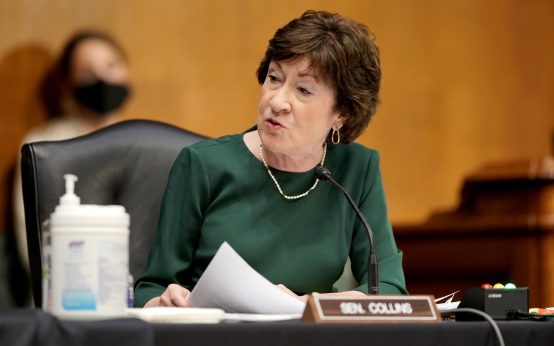 Senator Collins Warns Against Politicization of NIH Grant Funding
  Missouri Congressional Map Controversy
  AI Fears Impact Trump-Xi Dialogue Amidst Challenges
  GOP Candidates Call for Ending U.S. War in Iran Amid Rising Fuel Costs
 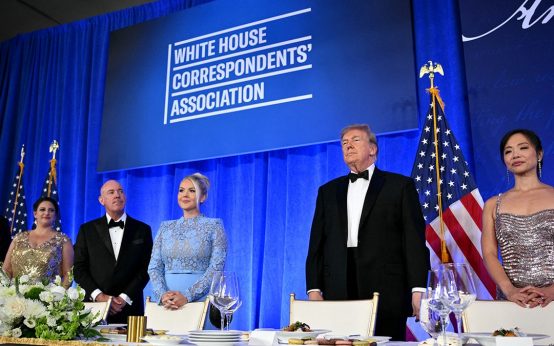 Details on Trump’s Response After WHCA Dinner Incident
  Political Influence over NIH Grantmaking Concerns