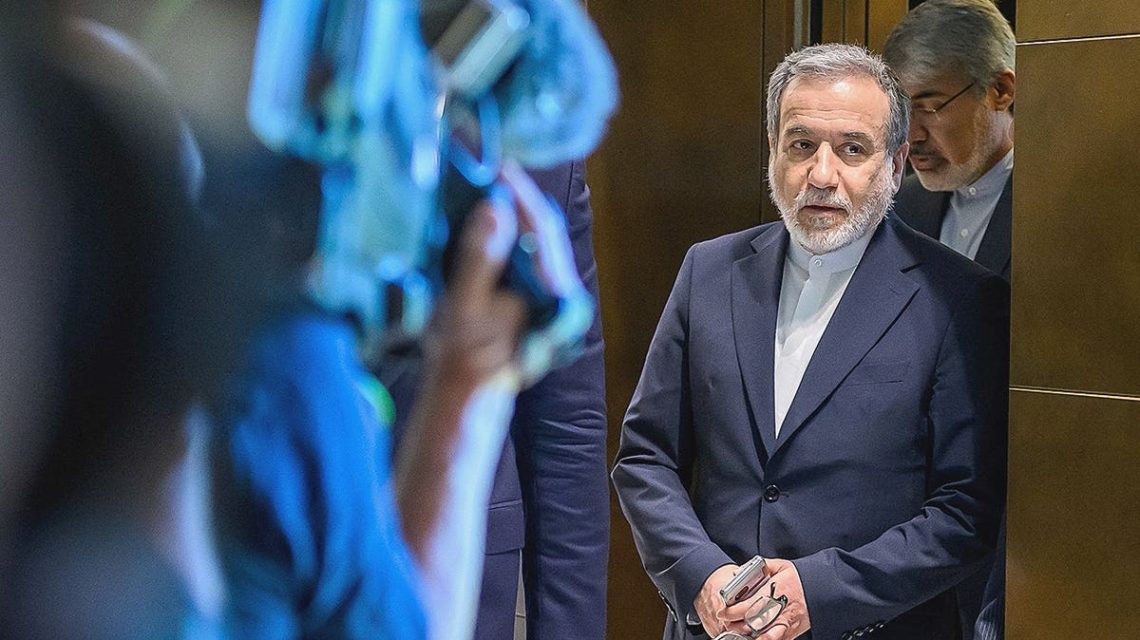
As U.S. and Iranian negotiators convened in Switzerland, tensions arose over billions in potentially unfrozen assets. These discussions could quickly test an interim agreement’s strength.
Background of the Dispute
The issue centers on the memorandum of understanding signed on June 17. Talks began at Bürgenstock, near Lucerne, Switzerland. Iran International reported President Masoud Pezeshkian voiced expectations about $6 billion in Qatari funds returning to Iran. During a recent speech, former President Trump acknowledged Iran’s rights to these funds.
At the G7 summit in France, global leaders discussed related issues. With the opening of U.S.-Iran talks in Switzerland, a dispute emerged over control and oversight of unfrozen assets.
President Donald Trump stated, “We have taken their money; it isn’t ours. At some point, we’ll need to return it.” However, he emphasized conditional access, relaying on Truth Social that Iran would not receive funds without fulfilling its commitments.
Competing Narratives
Alex Vatanka from the Middle East Institute highlighted two perspectives on the frozen funds. He noted the release of assets is not merely economic; it tests political trust. This could become a major implementation dispute soon.
The memorandum’s framework states the U.S. must make funds available but ties release to compliance, not immediate access. Recently, the Biden administration extended a $10 billion sanctions waiver.
Estimates and Control
The U.S. delegation, including figures like Jared Kushner, arrived in Switzerland. Vatanka noted uncertainty about the actual amount of frozen assets. Iranian officials suggest more than $100 billion is involved, while Western sources estimate higher. Current focus is on accessing $24 billion to $25 billion.
Iran’s frozen assets, between $100 billion and $120 billion, are held under sanctions in diverse countries like China and South Korea.
Vatanka explained the dispute is about control of funds, not just their size. Iranian officials want sovereignty, while the U.S. seeks to attach spending conditions.
Technical teams negotiate, while oversight groups track progress. The U.S. and Qatar are developing a mechanism for an initial $6 billion channeling, targeting humanitarian needs.
Concerns persist among Western intelligence officials about funds diverted to regional conflicts. Reuters noted Iran signaled Hezbollah for potential financial support depending on cash flow improvements.
Vatanka underscored a regional dimension, as Iran plans to support weakened proxies in Lebanon.
The U.S. warns against using unfrozen assets for terrorism, insisting access will be revoked if terms are violated. Vatanka mentioned differences in the agreement’s broader purpose.
Tehran sees the funds aiding infrastructure projects for ordinary Iranians, discussing roads and airports. The U.S. wants funds controlled for humanitarian and civilian purchases.
Emma Bussey is a breaking news writer for Fox News Digital and previously worked at The Telegraph.
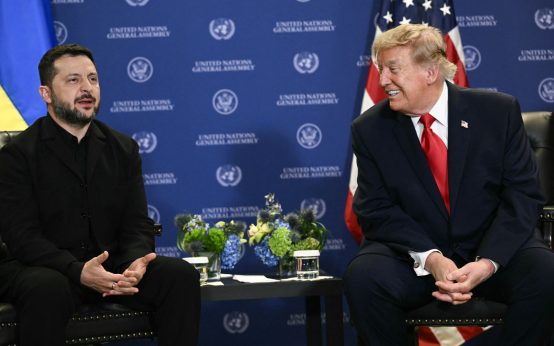 Trump’s Engagements at the UN: Focus on Ukraine and White House Developments
  Trump Administration to Admit 17,500 Afrikaner Refugees from South Africa
 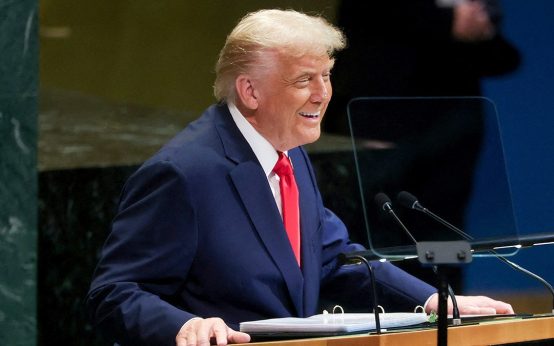 Trump’s Vision for Global Security: Iran, AI, and the Role of the U.S.
  Concerns Raised Over Canadian Assisted-Dying Program
 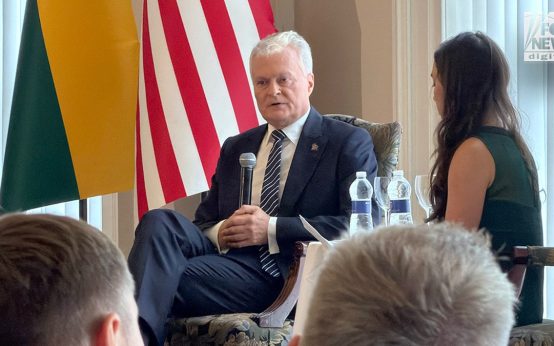 Lithuanian President Urges U.S. to Maintain Military Presence Amid NATO Challenges
 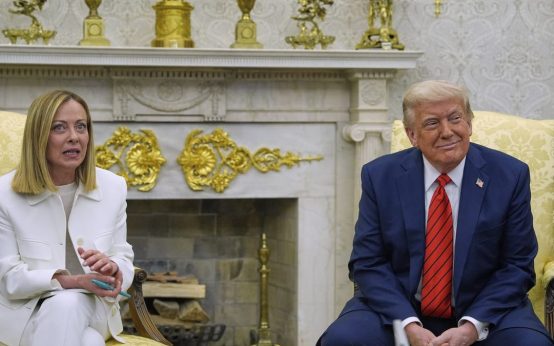 Italian PM Giorgia Meloni Skips UN General Assembly Amid U.S. Tensions