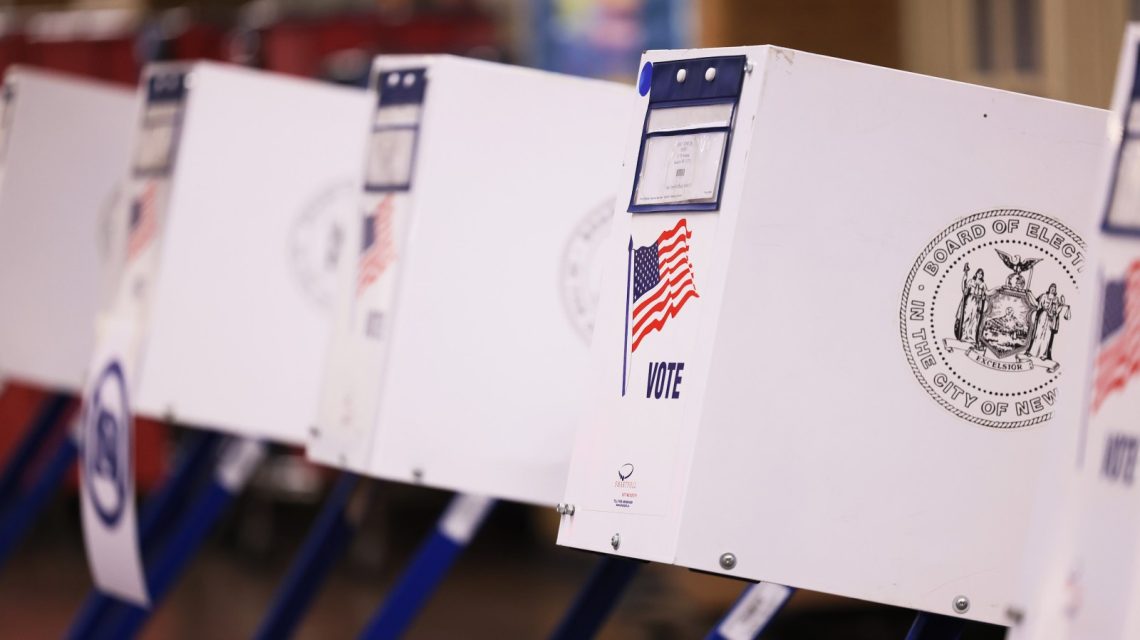
As the United States celebrates 250 years, we must evaluate the state of democracy, particularly regarding voting rights. The promise of equal representation at the ballot box remains crucial, though new voting barriers emerge, affecting Black Americans most. Freedom must be actively protected and renewed, prompting reflection on current democratic shortcomings. The fight for voting rights is pressing, facing threats under the guise of ‘security’ and ‘integrity.’
The journey for African Americans’ voting rights has been complex, marked by expansion and setbacks, including poll taxes, literacy tests, intimidation, and violence. Although the Civil Rights Movement led to successes, new barriers continue to arise subtly. They include precinct closures, restrictive ID laws, voter roll purges, and disinformation campaigns targeting Black voters and communities of color. Current threats evolve, disproportionately impacting those who have continuously shaped the nation.
Recent Supreme Court decisions have weakened protections initially secured by the Voting Rights Act. The emergence of the Safeguard American Voter Eligibility (SAVE) Act threatens voter registration processes by requiring unnecessary documents like passports and birth certificates. This policy could hinder millions, particularly Black, brown, young, low-income, and elderly voters, from registering effectively.
Mayors of Black and brown communities confront these challenges directly. They aim to modernize voting infrastructure, expand early voting, and educate voters while ensuring public safety without intimidation. Grassroots partnerships help combat disinformation, guiding residents on their rights.
Federal involvement is essential alongside local efforts. Congress must restore the Voting Rights Act’s core protections, reversing state actions that dilute Black and brown political influence. Additionally, sustaining and increasing federal funding for election security is vital. Supporting election infrastructure enhances national security and public trust.
Legislation like the SAVE Act should be rejected, replaced by reforms enhancing accessibility. Measures such as automatic voter registration, same-day registration, early voting expansion, and protection against wrongful purges are necessary. Election policy must facilitate participation, not obstruct it.
Mayors commit to safeguarding voting rights in their cities, but it remains a collective responsibility. All government levels, community leaders, and voters must unite for this cause. Everyday citizens play a crucial role by protecting voting rights within communities, serving as poll workers, disseminating accurate information, and supporting local nonpartisan groups.
Visible community involvement fosters trust, hindering negative influences. Protecting democracy is an ongoing task, demanding daily dedication. Moving forward, we uphold the patriotic duty to learn our rights, support one another, and vote with determination for our future.
Authored by Mayors Shawyn Patterson-Howard, Vince R. Williams, Alix Desulme, Steven Reed, Phillip Jones, Van R. Johnson, Jr., Kim A. Thomas, Errick Simmons, under the African American Mayors Association’s representation.
The article reflects the authors’ personal views.
 JD Vance’s Mom Stands Up to Criticism
  Former Swimmer Criticizes Virginia Governor’s Decision on Female Sports Regulation
  Georgia’s Senate Race Highlights GOP Divide on 2020 Election Claims
  Justice Department Revives Gun Rights Restoration for Nonviolent Offenders
 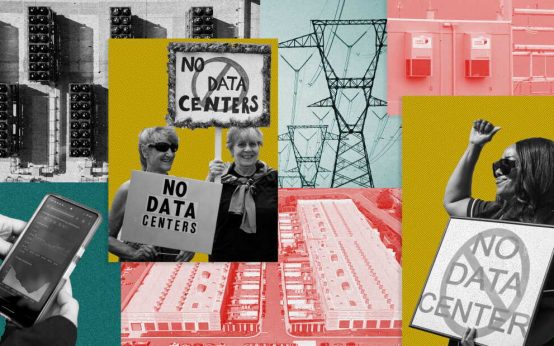 Debate Over Data Centers Sparks Political Divides in American Communities
 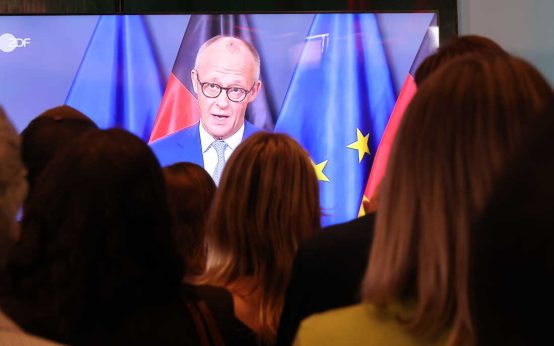 Chancellor Merz Faces CDU’s Worst Election Results Amid Rising Far-Right Gains