
In 2011, András Baka was removed from the Hungarian Supreme Court by the previous government, a decision criticized as an attack on democratic freedoms. A Hungarian jurist and former judge of the European Court of Human Rights, Baka is pictured during an interview on February 8, 2022. The interview was conducted on the sidelines of a meeting with AFP. Image Credit: Peter Kohalmi / AFP via Getty Images
On August 8, 2026, Hungary’s ruling Tisza party announced the nomination of András Baka, former head of the Supreme Court, as the next president of Hungary. The party’s parliamentary group shared this news on Facebook. Baka, aged 73, is anticipated to be elected to this mostly symbolic role in parliament on Tuesday. This step is seen as part of Prime Minister Péter Magyar’s efforts to dismantle the power structures established by former premier Viktor Orbán. Magyar emphasized his strong mandate from the voters in the April elections, where his party won by a landslide.
Tisza party members stated that Baka has consistently upheld the importance of the separation of powers, advocating for rule of law and judicial independence throughout his career. They expressed confidence that Baka’s experience and professional independence would be vital assets while Hungary prepares to lay the foundation for a new constitutional order.
Magyar’s victory in the elections marked the end of Orbán’s 16-year leadership. Magyar pledged to restore democratic standards and called for officials appointed by Orbán’s party to resign. Removing former President Tamás Sulyok was one of Magyar’s key objectives, as he considered Sulyok a “puppet” of Orbán. Sulyok had signed a constitutional amendment passed by Magyar’s ruling party, which concluded his presidency last month. The amendment stipulates that the new president will remain in office either until a new constitution is in place or for a maximum of five years.
Baka, who previously served as a judge on the European Court of Human Rights, was dismissed from his position as Supreme Court head by Orbán’s government in 2011, before completing his mandate. In 2014, the European Court of Human Rights ruled that Hungary had ousted Baka for criticizing the government, causing harm to democratic freedoms. Orbán’s administration denied these allegations.
Under Hungary’s current constitution, the president serves as a mostly ceremonial head of state with limited authority to veto or request a review of legislation. The opposition Fidesz party announced it would not partake in the presidential election process, accusing Tisza of authoritarian practices. Tisza rejected these claims.
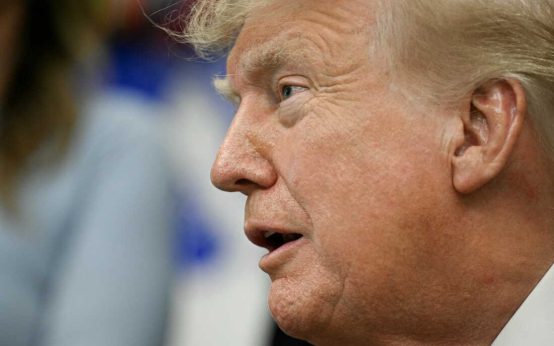 Trump Seeks Diplomatic Success at the U.N. Amid Challenges
 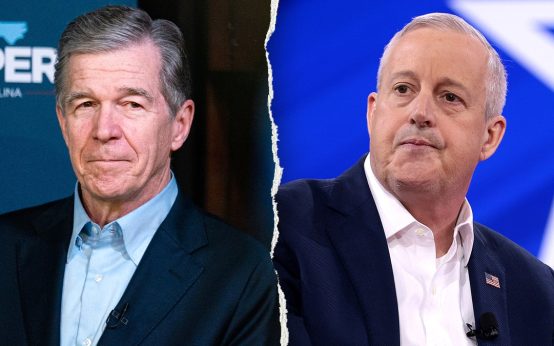 North Carolina Senate Race Influenced by Abortion Policy Messaging
 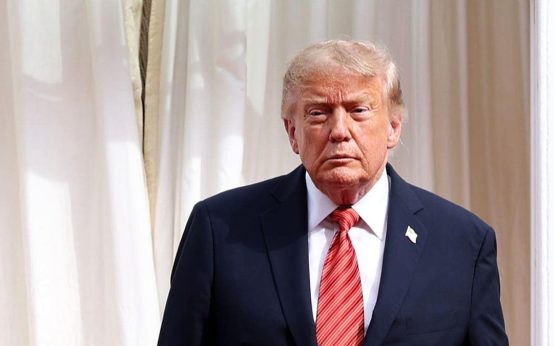 Trump Pressures Republicans on Filibuster Threat
 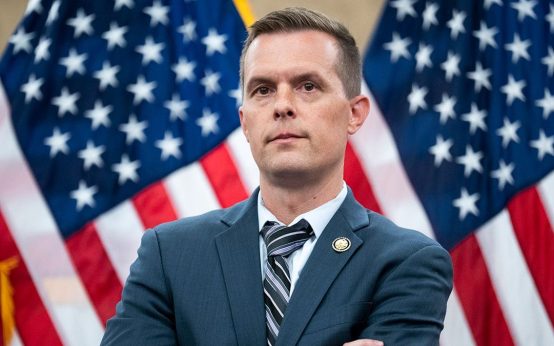 Rep. Golden Endorses Rep. Lawler for Re-election
  Public Perception and Political Impact of Data Centers
  Jewish Democrats in Michigan Shift Support to GOP Candidate in Senate Race