Introduction to Chilean K-pop Influence
Santiago, Chile is buzzing with anticipation as BTS, the global K-pop sensation, plans their world tour stop here. BTS’s tour signifies Latin America’s deepening embrace of Korean culture. They’ve already played to packed audiences in Mexico, and other shows are scheduled across Colombia, Peru, Argentina, and Brazil. Such was the demand in Mexico that President Claudia Sheinbaum reached out to South Korean officials to discuss adding more tour dates.
The Korean Wave in Latin America
The cultural phenomenon, known as Hallyu or the “Korean wave,” began spreading worldwide in the 1990s. It introduced Korean music, dramas, cuisine, and beauty trends to mainstream audiences globally. In Chile, the youth are not just consuming this wave—they are reshaping it. By integrating K-pop’s signature energetic choreography, high-production videos, and youthful aesthetics, they are creating a unique cultural fusion.
Q_ARE: Chilean K-pop-Inspired Band
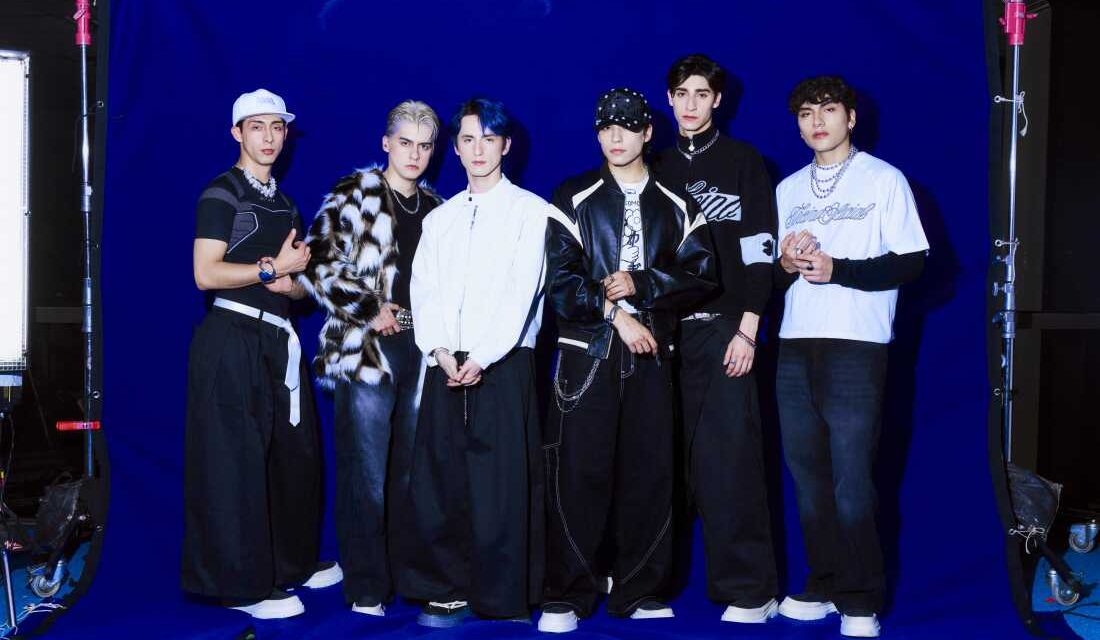
Q_ARE, a Chilean boy band, is leading the charge in this local transformation. With English, Spanish, and Chilean slang in their lyrics, alongside K-pop aesthetics, they are gaining a following. Their music videos feature retro video games, dynamic scene transitions, and bright makeup. For their single “FÚ” released in May, they honed choreography in a Santiago dance studio. Outside, the mix of salsa and reggaetón fills the air as the band discusses their influences.
“I entered the artistic world thanks to K-pop,” said Seba, 22, a vocalist for Q_ARE. “But despite the influence from Korea, we’re clearly not K-pop—we’re Latinos. We’ve transformed it into our own style.”
The band, comprised of members Seba, Jamin, Jota, Bin, Aiden, and Fabi, came together through an online casting call and a rigorous audition process. They debuted with “Try Again” in 2024 and handle all aspects of their creative output. Their fan group, “Qniverse,” boasts international members, reaching fans as far as Brazil and the United States.
“We have fans from Singapore, Japan, Chile, Peru, Mexico, the U.S., and Costa Rica,” explains Bin, who raps and dances with Q_ARE. “The level of support is amazing.”
Korean Cultural Influence in Chile
Chilean fans often act as cultural ambassadors, explaining local slang used in music to other Latin American audiences. The Korean wave has permeated Chile with over 50 Korean restaurants opened in Santiago’s Patronato neighborhood. Local residents, like Valeria Vivar, connect with Korean culture through childhood fascinations with anime. Valeria coordinates the Rey Sejong Institute in Santiago, a Korean government-backed cultural institution. At the Institute, about 200 students study Korean—a significant increase since 2019.
“Our students often want to learn Korean due to their love for K-pop or K-dramas,” Valeria notes. “There’s also growing interest in Korean literature and society.”
Impact on Chile’s Pop Music Scene
Q_ARE sees this cultural movement benefiting Chile’s music scene. “Asian culture in arts is advanced compared to Chile, but it benefits us too,” Fabi says. “We have the opportunity to innovate and hope to see more Chilean boy bands. This is already happening, with new groups emerging, and we’re delighted to have taken that initial risk.”
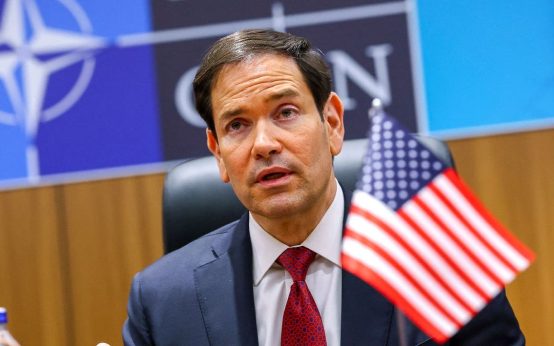 Secretary Rubio Discusses Middle East Conflict and NATO Relations
  Israeli Leader’s Upcoming U.N. Assembly Speech Marked by Controversy
  United States Secures Arctic Defense Pact
  Taylor Swift Teases New Single and Potential Album Re-recording
  Trump’s Engagements at the UN: Focus on Ukraine and White House Developments
  Trump Administration to Admit 17,500 Afrikaner Refugees from South Africa