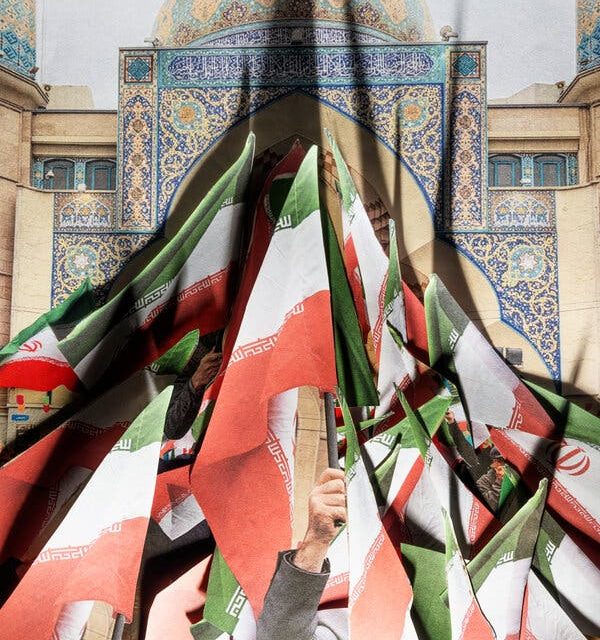
On October 22, 1951, Prime Minister Mohammad Mossadegh of Iran stood before the Liberty Bell in Philadelphia. He addressed a large crowd at Independence Hall, admiring American liberty and comparing it to Iran’s ongoing struggle for independence from British control of its affairs and resources.
He declared, “The creed of national independence is a universal one, and it is held by all peoples,” using his distinct, somber whisper.
Two years later, the United States and Britain removed Mossadegh from power through a coup. This was due to his decision to nationalize Iranian oil, taking control of the British-owned Anglo-Iranian Oil Company. As many nations began forming new identities post-colonialism, Mossadegh’s name became linked with the quest for independence and resistance against Western imperialism. His ouster remains a point of contention in discussions about American foreign policy, especially in the global south.
Currently, Iran’s defiance in the face of Western pressure is again capturing attention. President Trump’s actions have turned American intervention in Iran into a cautionary tale, suggesting possible repercussions for any non-compliant state. This spring, there’s been a wave of solidarity and indignation supporting Iran across the non-Western world. Even countries critical of Iran’s internal governance or regional policies are experiencing a collective stance, reminiscent of the “Je suis Iran” sentiment.
This outrage is partly because the United States and Israel waged a war against Iran during a period of global restructuring. This restructuring is driven by Trump’s transactional and aggressive behavior. Smaller and medium-sized powers are finding methods to assert their sovereignty, sometimes by reducing reliance on the United States and seeking partnerships with China and other nations.
The conflict with Iran has fast become a pivotal moment. Iran has demonstrated it can control a significant maritime chokepoint, impact the global economy, and resist aerial assaults by the strongest military. The situation has given Iran’s leaders a new standing in the shifting global order. From a position of isolation and sanctions, Iran is now seen by many as a symbol of necessary defiance and bravery.
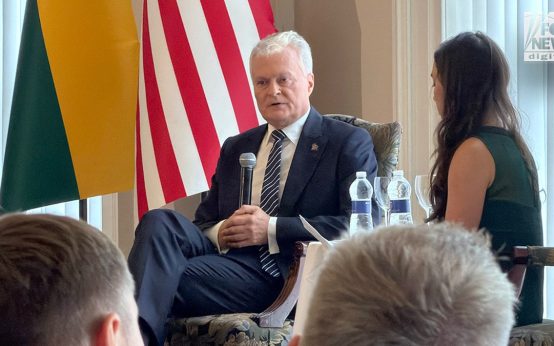 Lithuanian President Urges U.S. to Maintain Military Presence Amid NATO Challenges
 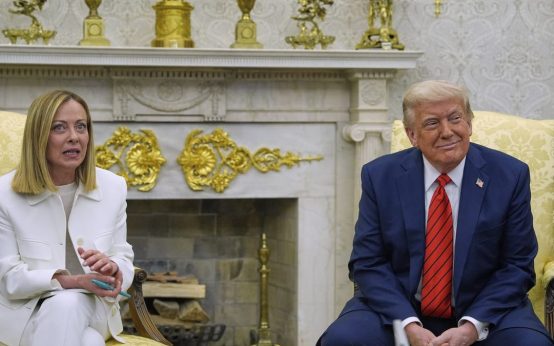 Italian PM Giorgia Meloni Skips UN General Assembly Amid U.S. Tensions
 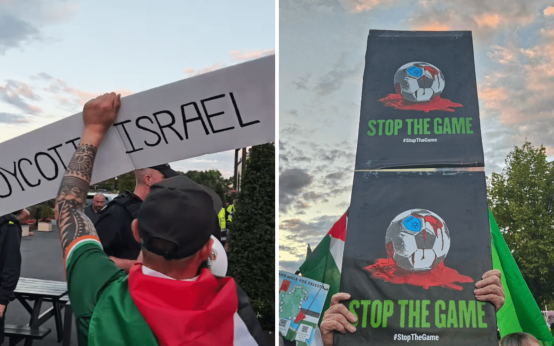 Ireland Faces Calls to Boycott Matches Against Israel
  Social Media Influencer Faces Serious Charges
  U.S. Military Expansion in Greenland
  The Autocratic Age: A Closer Look