Recent immigration policies under the Trump administration have significantly impacted Asian American and Pacific Islander (AAPI) communities. A poll by AP-NORC and AAPI Data reveals that many AAPI adults have faced disruptions due to these policies. Around half report experiencing, or knowing someone who has faced detention or deportation, altered travel plans, or changed routines due to immigration concerns.
These findings emerge amid ongoing immigration crackdowns, highlighting changes in perceptions among those in immigrant-dense areas. The survey shows 6 out of 10 AAPI adults feel the U.S. was once promising for immigrants, but isn’t anymore. Meanwhile, only 30% believe America is a suitable destination for immigrants today, with 5% saying it never was.
AAPI adults emphasize the integration of global cultures and values as crucial to the U.S. identity. Karthick Ramakrishnan, from AAPI Data, states that the doubts among long-established immigrants about America’s opportunities mark a significant shift in sentiment.
“America’s success story has depended critically on the role of Asian Americans, but also immigrants in general,” said Ramakrishnan.
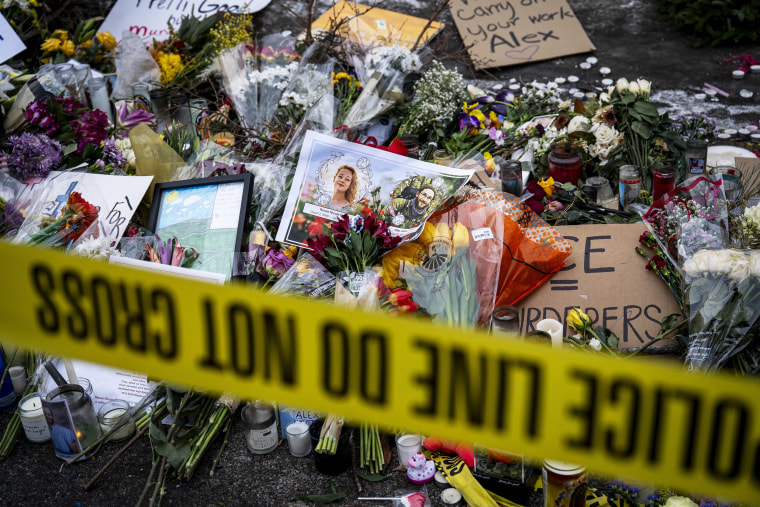
The report also notes that protests and clashes have occurred, including the fatal shooting of two U.S. citizens by federal agents in Minneapolis, intensifying discontent in communities.
Legal Immigrants Also Affected
Legal immigrants have also felt the impact of these policies. Some policies that increased visa fees were blocked in federal courts, offering temporary relief. However, lingering unease remains, as Khoa Tran, a Vietnam-born U.S. citizen, explains. He stresses the importance of carrying documentation, as it now functions like a second ID for immigrants.
International students have delayed trips home, fearing complications with their visas. Tran highlights the prevalent fear and uncertainty among students due to unclear regulations.
Identity and Cultural Significance
The poll highlights the importance of family heritage and cultural identity among AAPI adults. More than half say their ethnic background is key to their identity, overshadowing American identity.
For example, Abigail Jeyaraj, a Texan-born woman of Indian descent, identifies as South Asian American, expressing gratitude for the opportunities available to her that previous generations lacked.
Similarly, Soonho Kwon, who moved to the U.S. from Korea at age eight, still feels closely tied to his Korean roots, despite becoming a naturalized citizen.
Reflecting on America’s 250th Anniversary
As the U.S. approaches its 250th anniversary, many AAPI adults express ambivalence. Nearly 73% value the multicultural essence of America, yet recent policies cast shadows over celebrations.
Jeyaraj, who grew up in diverse Texan cities, credits these interactions with broadening her empathy. She expresses mixed feelings towards the nation’s milestone, considering some actions as undoing progress toward equality and justice.
Tran, a math teacher, views the anniversary as a transition rather than a founding, suggesting America has continually evolved.
The survey included 1,075 AAPI adults, conducted in late April, with a margin of error of 4.4 percentage points. It aims to highlight the voices of AAPI communities often excluded from broader surveys due to sample size limitations and language barriers.
 New Defense Pact Among Saudi Arabia, Turkey, and Pakistan
 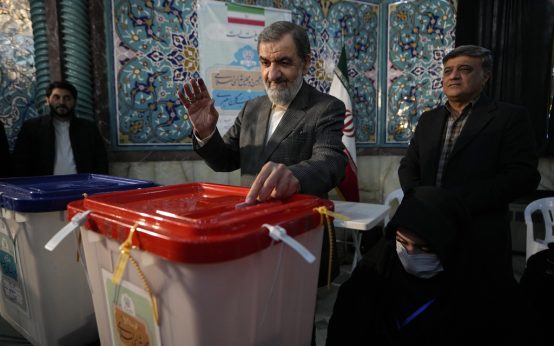 Shifting Dynamics in U.S.-Iran Relations Amid Leadership Changes
  NATO Weapon Deployment in the Pacific Raises Concerns
  Russia Responds to Ukraine’s Attack on Black Sea Hub
  Hungary Takes Action to Preserve Paks Nuclear Power Plant
  Robert Gilman’s Release from Russia: A Successful Outcome Without a Prisoner Swap