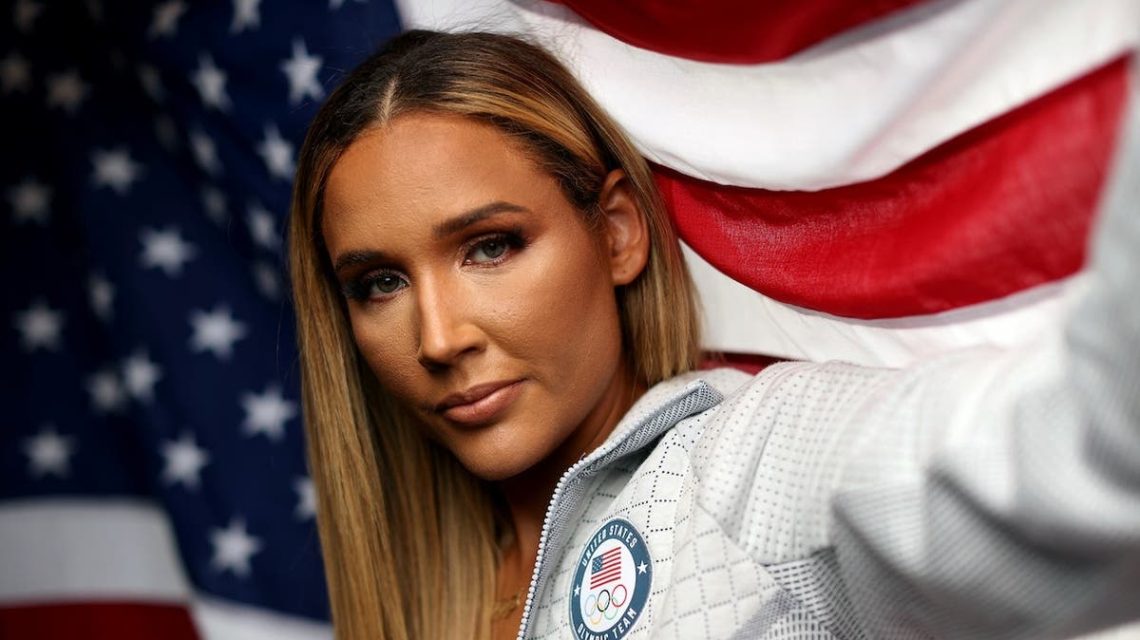
Lolo Jones encountered significant challenges following a distressing incident with Team USA in February 2025. During equipment testing at the Olympic training complex in Lake Placid, New York, she experienced an alarming situation. After a bobsled run reaching nearly 90 mph, Jones suffered severe lower back pain, inability to bend, and loss of bladder control.
Despite her extensive experience as an Olympic athlete in hurdling and bobsledding, this episode felt different. Jones, familiar with athletic pain, immediately informed a trainer, realizing the severity of her symptoms. However, her experience took a concerning turn when the head of sports medicine at the center canceled her arranged treatment, citing she had already received care that week.
Unexpectedly arriving for a canceled appointment, Jones felt anxious as she prepared for the season’s most crucial race. Further complications arose when she was notified about losing access to sports medicine resources and later being banned from the training facility, including rehabilitation areas and other essential spaces. Officials cited a violation of facility conduct without specifying the infraction or granting a formal hearing.
The Southern California News Group reported that USOPC officials later admitted the treatment cancellation was a mistake. Despite offering an apology before the World Championships, the imposed restrictions continued.
Jones stressed her frustration over the necessity for medical access for athletes. She noted that her symptoms suggested more than a routine issue, potentially indicating cauda equina syndrome, a serious medical condition that wasn’t properly identified or treated by the center. Instead, Jones returned to compete in the World Championships with pain medication from her Louisiana doctor.
Post-competition, Jones funded an MRI herself, discovering a herniated disc, disc bulge, lumbar tears, and a cerebrospinal-fluid leak. She underwent spinal surgery and bore the expenses of rehabilitation and travel, as she remained prohibited from accessing center facilities, amounting to approximately $100,000 in costs.
This financial burden, according to Jones, highlights issues within Olympic sports. Bobsled athletes often manage on limited stipends, covering significant training and travel costs independently. Despite having additional income, Jones noted the financial impact was still damaging.
Jones is advocating for stronger due-process rights and affordable means for athletes to address grievances related to medical care, funding, and competitive opportunities. She criticizes the current system for being costly and ineffective against sports governing bodies.
Her experiences have shifted her perspective on the Olympic Games. Once viewing a future in sports for her hypothetical daughter as a dream, she now opposes the notion, citing harsh treatment as a major deterrent.
After more than 20 years of commitment to Team USA, Jones feels abandoned by the support network when her needs were most acute. She expressed disappointment, asserting, “I’ve given so much to Team USA and represented this country as best I can. And when I needed Team USA back, they absolutely abandoned me.”
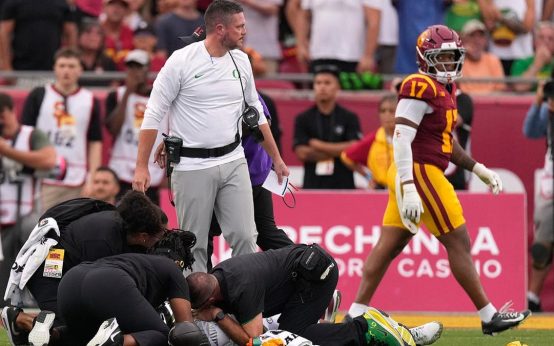 Dan Fouts Commends Oregon Coach’s Response to Violent Football Incident
  Dodgers’ NLDS Game 1 Lineup and Strategy
 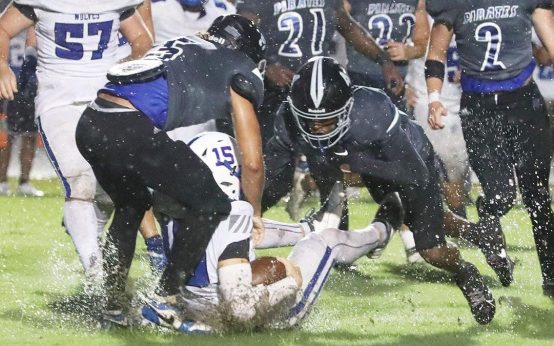 High School Football Game Turns Chaotic with Multiple Field Fights
 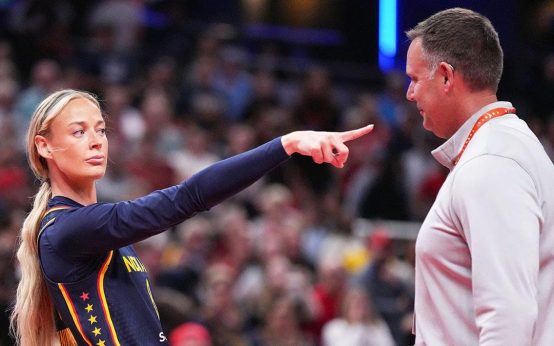 Indiana Fever’s Tumultuous 2026 Season: A Story of Controversy and Competition
  Chicagoland High School Football Week 7 Summary
  Ken Anderson Shares Insights on Heart Health and Football Evolution