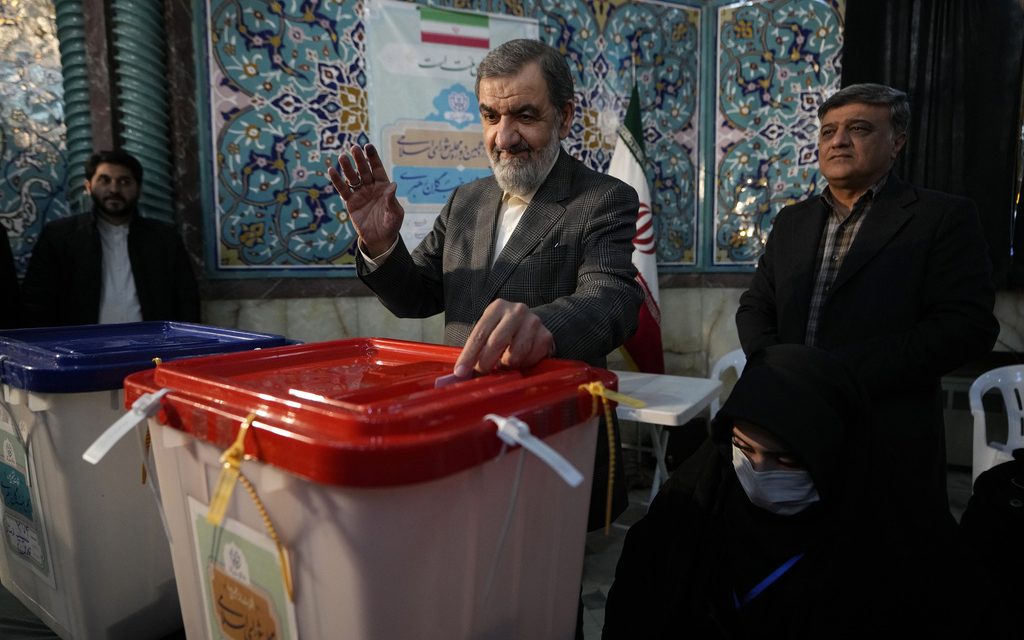
In a recent turn of events, Mohsen Rezaei, a former Revolutionary Guard commander, cast his vote during Iran’s parliamentary and Assembly of Experts elections. This occurred at a time when the U.S. was reportedly on the brink of intensifying military operations against Iran. However, President Trump stated that the focus had shifted to economic pressure. He described this approach as ‘low key,’ emphasizing that the U.S. is monitoring Iran’s economic struggles rather than engaging in combat.
Trump’s stance came amid demands from Tehran for an end to U.S. threats and sanctions, along with compensation for past conflicts. Mohammad Bagher Zolghadr, then Iran’s Supreme National Security Council secretary, outlined these demands, connecting them to the reopening of the Strait of Hormuz. The United Arab Emirates accused Iran of missile attacks on a tanker in the strait, further complicating the situation. Despite denials from Iranian officials about U.S.-Iran negotiations, President Trump mentioned discussions with Iran, contrasting the Iranian narrative.
Leadership changes in Iran added complexity to the situation. Reports emerged about Mohsen Rezaei’s appointment to key positions within Iran’s Supreme National Security Council, replacing Zolghadr. This reshuffle hinted at a shift towards a hard-line approach, as Rezaei, with historical military influence, assumed pivotal roles. The transition coincided with Zolghadr’s departure, seen as a response to recent public demands.
Since the death of Ali Larijani, a former key figure in Iran’s security framework, Iran has faced leadership challenges. Rezaei’s appointment suggests a strategic alignment with Mojtaba Khamenei, the new supreme leader. Foreign Minister Abbas Araghchi’s diminished role in the negotiations points to a consolidation of power within Iran’s security establishment, overshadowing diplomatic efforts.
Washington’s strategy hinges on economic pressure to bring Iran to negotiations. Iran’s response, elevating a seasoned Revolutionary Guard member to the helm, suggests a reinforced stance. The central question remains who in Tehran holds the power to negotiate terms acceptable to both Iran and the U.S.
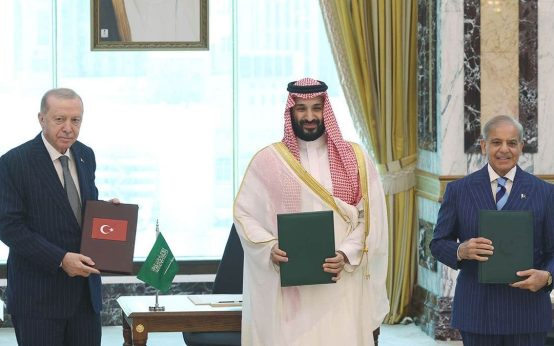 New Defense Pact Among Saudi Arabia, Turkey, and Pakistan
  NATO Weapon Deployment in the Pacific Raises Concerns
 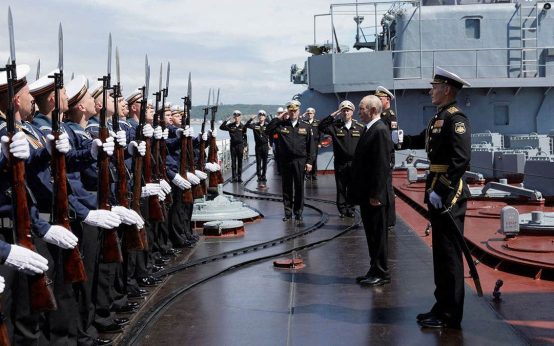 Russia Responds to Ukraine’s Attack on Black Sea Hub
 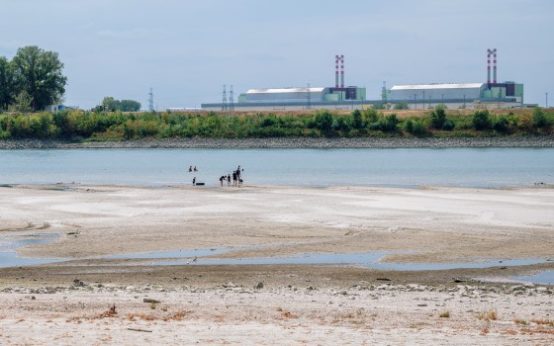 Hungary Takes Action to Preserve Paks Nuclear Power Plant
 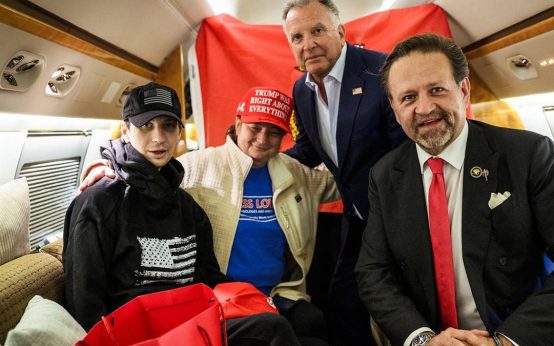 Robert Gilman’s Release from Russia: A Successful Outcome Without a Prisoner Swap
 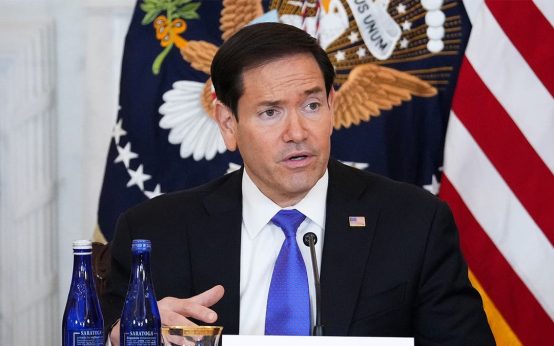 Secretary of State Rubio Discusses Unidentified Anomalous Phenomena