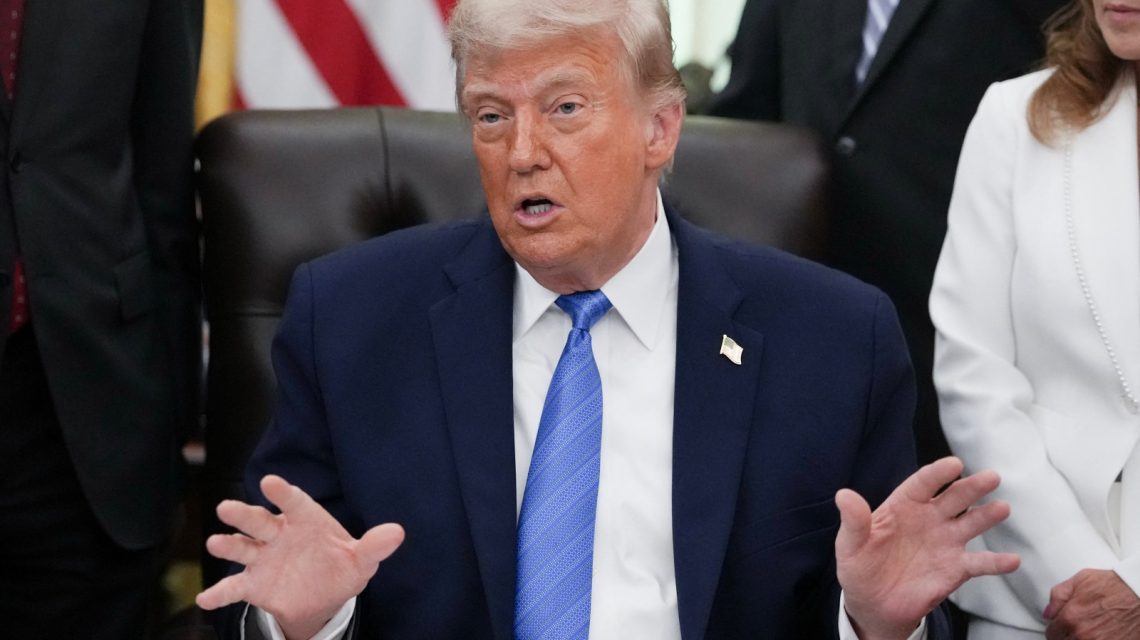
President Donald Trump shared a segment from the NBC drama “The West Wing” on Truth Social following U.S. airstrikes on Iran. The clip showcased fictional President Josiah Bartlet dismissing proportional military responses.
In the scene, Bartlet, portrayed by Martin Sheen, asserts, “You kill an American, any American, we don’t come back with a proportional response. We come back with total disaster.” This snippet, however, misses crucial context from the episode.
Bartlet ultimately reversed his stance after considering potential civilian casualties.
The episode depicted Bartlet interacting with Admiral Percy Fitzwallace, played by John Amos, exploring the necessity of a proportional response after a U.S. military plane was downed by Syria. Fitzwallace indicates proportional responses are essential. Bartlet initially argues for a stronger retaliation to deter further aggression.
Later, Fitzwallace returns to the Situation Room, suggesting an escalated reaction involving a major airport’s destruction. This strategy, though forceful, would lead to civilian casualties and disrupt relief efforts, potentially garnering global condemnation. Realizing this reality, Bartlet chooses a restrained approach recommended by his advisers.
Current Developments in Iran Conflict and Ceasefire Negotiations
Trump’s social media post arrived amid fragile ceasefire talks intended to terminate a long-standing conflict, reopen the Strait of Hormuz, and address Iran’s nuclear agenda. Nevertheless, U.S. airstrikes on Iran followed on Tuesday, with Tehran retaliating across the region. Such actions spurred fears over the breakdown of negotiations.
Trump cautioned that Iran would face consequences if discussions stalled. Initially, he shared a statement from U.S. Central Command announcing “self-defense strikes” by U.S. forces, describing them as a “proportional response to unjustified Iranian aggression.”
This warning coincided with Iranian strikes targeting Bahrain, Kuwait, and Jordan, harbors of U.S. troops. These exchanges disrupted a tentative two-month ceasefire. Additionally, Iran and Israel traded hostilities earlier in the week.
Despite prolonged bombing, Iran’s resilience persists. Tehran perceives its capability to disrupt the critical Strait of Hormuz as leverage in negotiations. Both parties aim to conclude the conflict while declaring victory domestically.
Israeli Prime Minister Benjamin Netanyahu maintains ambitious aims, including undermining Iran’s theocratic government, dismantling its nuclear program, and defeating Hezbollah, an Iranian ally in Lebanon. Such goals could hinder achieving a peaceful settlement.
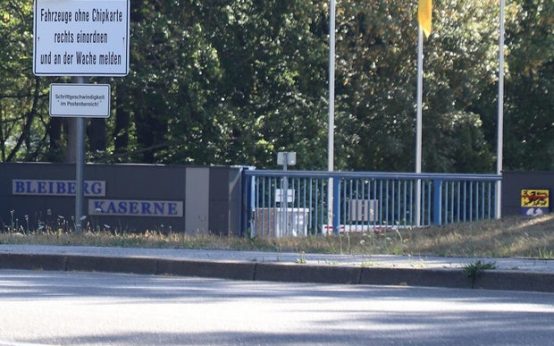 Drones Spotted Over German Military Base Amid Rising Tensions
  Haitian Nationals Face Deportation Risks as TPS Ends
 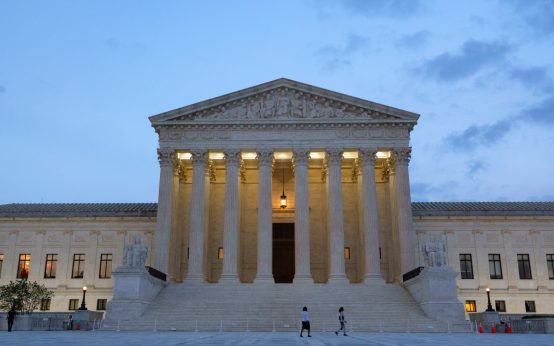 Conservative Activists Aim to Shape Judicial Perspectives on Birthright Citizenship
  Impact of Deregulation on Air Travel
  Jorge Messi, Father of Soccer Star Lionel Messi, Passes Away at 68
  Nigerian Hostage Rescue Unveils Harsh Reality of Captivity Under Jihadists