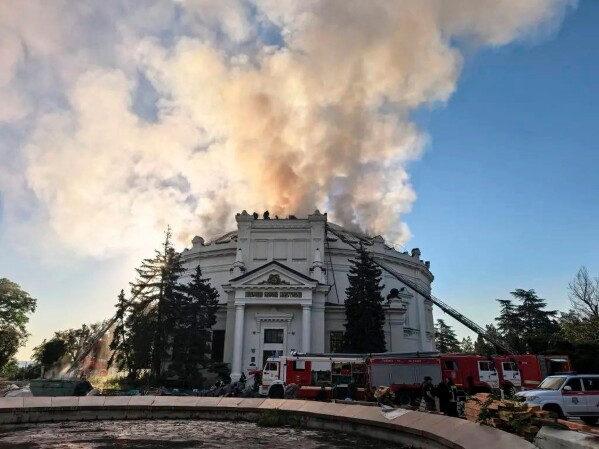
Pakistan launched new airstrikes on Afghanistan early Wednesday, marking a return to hostilities. This comes after a month of relative calm, following Islamabad’s description of an “open war” with its neighbor. Afghanistan reported that the strikes targeted the eastern provinces of Khost, Kunar, and Paktika.
Government spokesperson Zabihullah Mujahid stated that 13 people died in the strikes, including 11 children, one woman, and an older man. An additional 14 civilians were wounded. Pakistan confirmed conducting the strikes, claiming they targeted militant hideouts and infrastructure associated with recent attacks inside Pakistan and reported 26 militants killed. Both countries often report significantly different casualty figures.
Funerals for Children in Khost
In Khost, funerals for nine victims — seven children aged 3 to 15, a woman, and a man — took place. All were from one family, their house collapsing under the airstrike. Ten mourners attended the service, with residents grieving the loss.
Talib Gul, a mourner, stated the deaths included his uncle, aunt, and their four daughters and three sons. “Only two of his daughters survived,” he lamented. A second strike damaged his brother’s house, killing livestock essential for livelihood.
Diplomatic Protests and Responses
The Afghan foreign ministry summoned Pakistan’s chargé d’affaires to protest against the violation of Afghan airspace and civilian bombings. Deputy spokesperson Zia Ahmad Takal urged Pakistan to resolve its internal issues.
Pakistan’s information minister, Attaullah Tarar, announced that strikes were executed in border areas targeting hideouts linked to the Pakistani Taliban. He confirmed the destruction of four militant targets, continuing the counter-terrorism effort to combat “foreign-sponsored terrorism.” The information ministry dismissed reports of civilian casualties as “propaganda.”
Context and Underlying Issues
Wednesday’s strikes followed an attack on Pakistan’s security post by suspected Pakistani Taliban militants, resulting in a firefight. Six security personnel were killed, and several wounded, while Pakistani authorities reported killing eight attackers.
The intense conflict has affected the border, closed since October. Pakistan declared open conflict with Afghanistan in February, citing increased militant attacks. Afghanistan accused Pakistan of a deadly airstrike in March on a drug center, a claim Pakistan denied, insisting it targeted an ammunition depot.
Outlook for Peace
China previously facilitated peace talks between the nations, encouraging de-escalation and potential resolution. Pakistani security analyst Masood Khan suggested implementing Taliban leader Mullah Haibatullah Akhundzada’s decree, which orders the TTP to cease attacks on Pakistan, as a hopeful resolution.
Meanwhile, the border closure has disrupted trade and stranded thousands of people since October.
Ahmed reported from Islamabad. Elena Becatoros contributed from Athens, Greece.
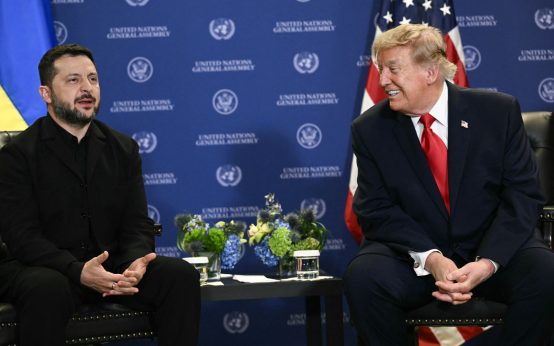 Trump’s Engagements at the UN: Focus on Ukraine and White House Developments
  Trump Administration to Admit 17,500 Afrikaner Refugees from South Africa
 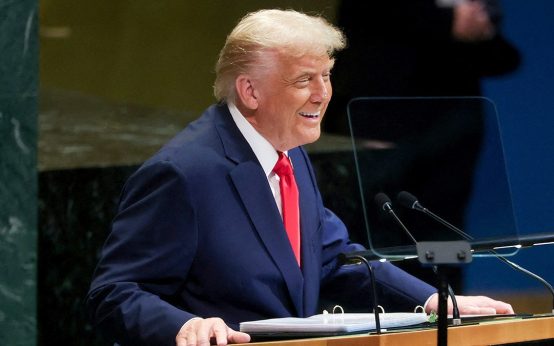 Trump’s Vision for Global Security: Iran, AI, and the Role of the U.S.
  Concerns Raised Over Canadian Assisted-Dying Program
  Lithuanian President Urges U.S. to Maintain Military Presence Amid NATO Challenges
 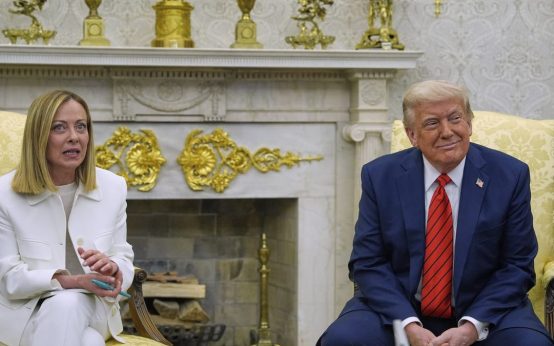 Italian PM Giorgia Meloni Skips UN General Assembly Amid U.S. Tensions