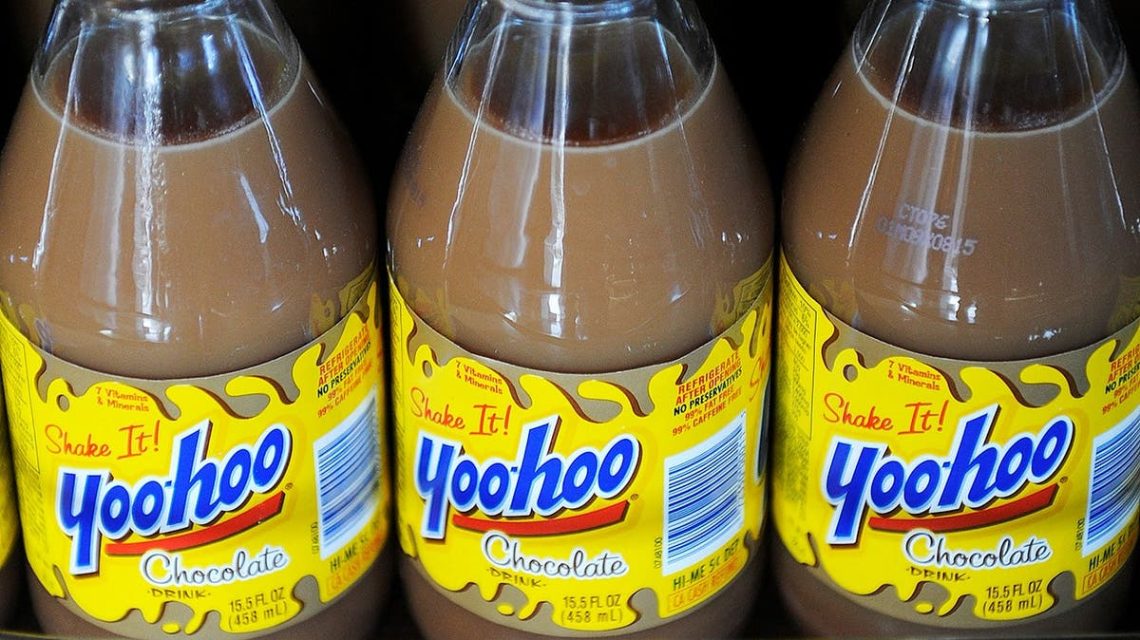
PepsiCo recently announced a major shift in its product line by eliminating artificial dyes from its chips as part of the MAHA initiative. However, the company’s foray into the chocolate drink market was not as successful. PepsiCo attempted to compete with the well-established Yoo-hoo, a drink beloved since its inception in the 1920s.
History of Yoo-hoo
Yoo-hoo originated in the 1920s, crafted by Natale Olivieri, a grocery-store owner in New Jersey. Seeking to create a chocolaty addition to fruit juices available at the time, Olivieri established what would become an iconic beverage. Yoo-hoo gained nationwide popularity by the 1960s, endorsed by baseball legend Yogi Berra and his Yankees teammates as “the drink of champions.”
PepsiCo’s Entry into the Chocolate Drink Market
In 1966, PepsiCo attempted to capitalize on Yoo-hoo’s success by launching its own chocolate drink named Devil Shake. A significant internal study, valued at $100,000, had predicted that Devil Shake might outsell Yoo-hoo. However, Pepsi encountered a stumbling block—it lacked the technological capability that Yoo-hoo possessed to ensure its drink was shelf-stable.
Despite a brief collaboration with Yoo-hoo, where Pepsi paid around $1 million for production rights, the endeavor was unsuccessful. Within a year, Pepsi sold Devil Shake operations to Yoo-hoo for a nominal sum of $1, withdrawing from the market entirely.
Yoo-hoo’s Unique Production Process
Yoo-hoo’s shelf life is one of its unique characteristics, requiring refrigeration only after opening. The drink contains powdered milk and whey but no liquid milk. It is made primarily from water, cocoa powder, sugar, and stabilizers. A hydrostatic sterilizer machine plays a crucial role, as ingredients are blended, pasteurized, rapidly cooled, and packaged. This process was inspired by Olivieri’s wife, who sterilized jars while canning tomatoes.
Yoo-hoo’s Continued Popularity
Despite temporary setbacks with certain flavors like chocolate-banana and island coconut, Yoo-hoo continues to thrive. It embraces its nostalgic image, promoting itself as a taste treasured for generations. Keurig Dr Pepper, the parent company, expresses delight in offering classic flavors such as chocolate, strawberry, and cookies and cream, which attract loyal customers.
Pepsi’s venture may have been short-lived, but Yoo-hoo’s legacy remains strong, demonstrating resilience in the competitive beverage market.