
The phrase, ‘Democracy Dies in Darkness’, underscores the importance of transparency in public health. By exploring the underlying reasons for vaccine hesitancy, advocates can develop more inclusive healthcare strategies.
July 27, 2026 at 10:09 p.m. EDT
By Katherine Shwetz, The Conversation
The Conversation is an independent nonprofit news organization dedicated to providing facts and analysis from researchers and scientists to help readers navigate a complex world.
Vaccine skepticism is not new. Since the inception of vaccines, there have been doubts about their science and safety.
Historical Context of Vaccine Hesitancy
In 19th-century England, mandatory smallpox vaccination sparked riots. Critics argued it infringed on civil rights and violated human bodily autonomy. Similarly, in the United States, resistance to vaccines has a long history. The Anti-Compulsory Vaccination League of Brooklyn, founded in 1894, exemplifies such opposition.
 Understanding School Shooting Preparedness Drills
  The War on Poverty: A Lesson on Intentions and Outcomes
 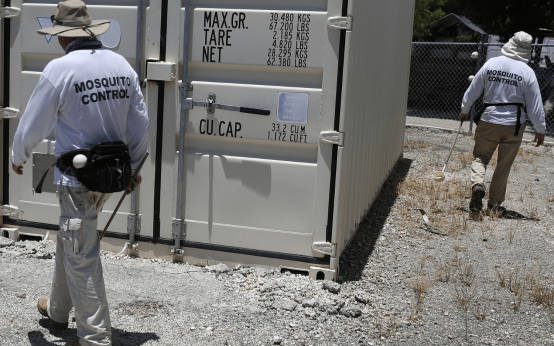 Florida Reports First Dengue Fever Death as Outbreak Expands
  Federal Relief Funds Used for Anti-Racism Training in Albuquerque Schools
  Florida Man Claims ‘Lion Diet’ Transformed Health and Life
  Concerns Over Food Safety and Its Impact on Families