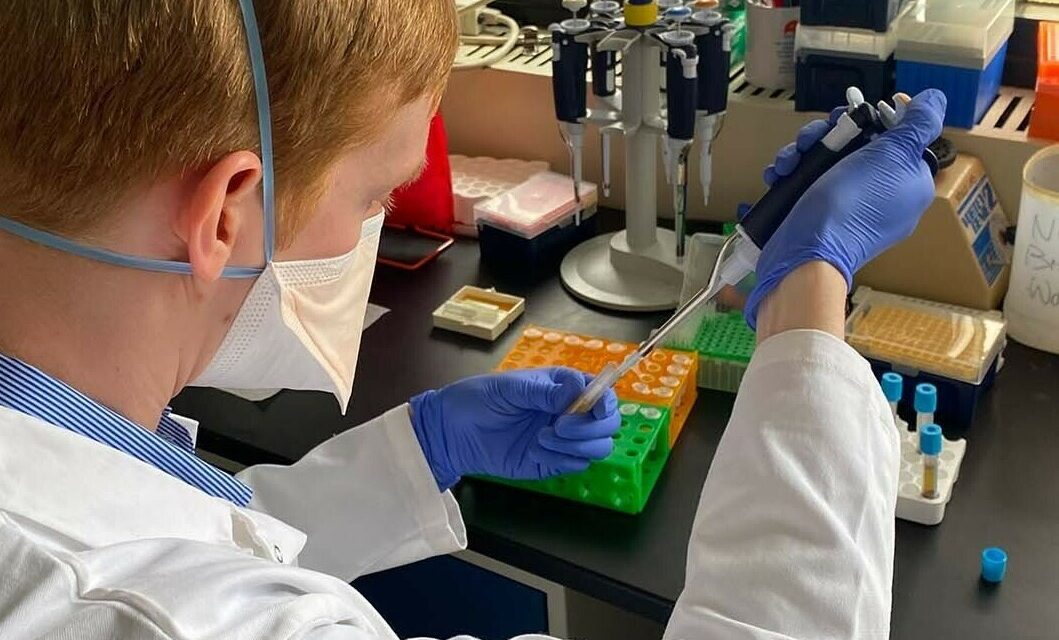
Bradley Wade Hamilton, a graduate researcher, is analyzing blood microclots in a groundbreaking study to understand long COVID. Millions of people globally are suffering from long COVID, and researchers are determined to pinpoint its causes and develop a diagnostic test. Despite the end of the COVID-19 public health emergency, more than 65 million individuals continue to experience long COVID symptoms.
Initial Research Findings
Initial perceptions considered COVID-19 a respiratory illness. However, Resia Pretorius, a physiological sciences professor at Stellenbosch University in South Africa, recognized blood-related symptoms in COVID patients. With a background in studying blood clotting in conditions like diabetes, lupus, and arthritis, Pretorius noticed severe clotting patterns in COVID samples.
Pretorius discovered that the COVID-19 spike protein changes soluble clotting proteins into insoluble microclots, resulting in vascular damage and microclots in some patients. For many, these microclots dissolve within two weeks, but for others, they persist, reducing blood flow and potentially explaining the diverse symptoms of long COVID.
The Quest for a Biomarker
Identifying a biomarker for long COVID is challenging without a specific test. Pretorius and collaborators, including David Putrino from Mount Sinai Health System, are working on a test to identify high levels of microclots. They believe standard pathology tests often miss key indicators, complicating diagnosis and treatment.
Putrino’s research involving long COVID patients shows consistent evidence of microclots and hyperactivated platelets, absent in non-COVID individuals. This suggests that microclots might serve as a biomarker for long COVID. However, new questions arise about whether targeting these microclots could provide effective treatment.
Potential Treatment Pathways
Roy Silverstein, a hematologist at the Medical College of Wisconsin, suggests that if microclots are found exclusively in long COVID patients, they could guide treatment development. Conditions like Thrombotic Thrombocytopenic Purpura and Hemolytic Uremic Syndrome exhibit similar clotting patterns, but long COVID clots are unique, comprising abnormal fibrin proteins.
Funding Challenges in Long COVID Research
Due to the critical need for fast research results, Pretorius resorted to crowdfunding to purchase a flow cytometer. This decision highlights the urgency for research and the slow pace of traditional funding methods. The tool enables detailed cell analysis, essential for clinical applications and improving long COVID testing methodologies.
Hannah Davis, a lead researcher with the Patient Led Research Collaborative, emphasizes the impact of collaborative efforts in developing tests. However, she stresses the need for substantial funding dedicated to discovering biomarkers and test development. While crowdfunding filled a crucial gap, comprehensive funding is essential for continued progress in long COVID research.
 Lymphatic Drainage and Ice Sculpting: Emerging Wellness Trends
  The Rising Trend of GLP-1 Medications Among College Students
  The Challenges and Opportunities of Testosterone Therapy for Menopausal Women
  Long-Term Health Impacts of 9/11 and the Continuing Response
  Mental Health Challenges for Women with Type 2 Diabetes
  Debate on Integrating Race into BMI Guidelines Among Doctors