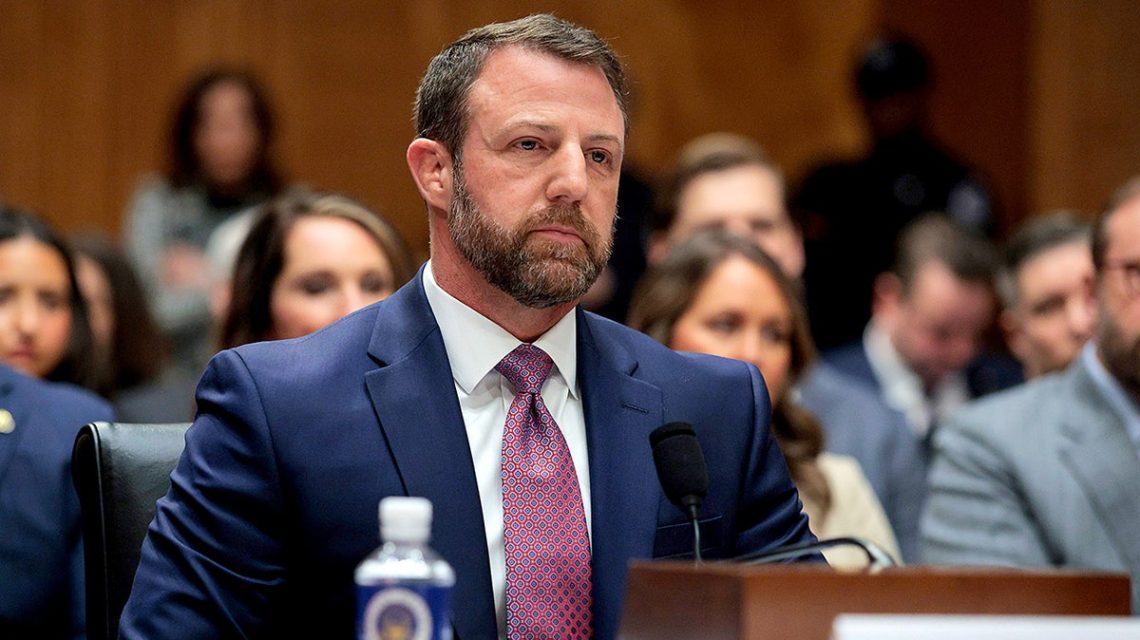
The Trump administration is challenging a federal judge’s decision to temporarily block its move to end Temporary Protected Status (TPS) for South Sudan. This occurs despite a recent Supreme Court decision reducing lower courts’ authority to intervene.
Judge’s Administrative Stay
U.S. District Judge Patti Saris recently granted an administrative stay in the case African Communities Together v. Mullin, maintaining TPS protections for South Sudanese nationals. The stay is in place as she considers allowing plaintiffs to amend their lawsuit and seek renewed relief on constitutional grounds. This action temporarily freezes the administration’s decision to end South Sudan’s TPS designation on November 6, 2025. Saris emphasized that the order’s purpose is to maintain the current status while the court examines the plaintiffs’ latest filings; it is not a ruling on the merits of the case.
Reactions to the Ruling
The Department of Homeland Security’s general counsel, James Percival, criticized the decision, labeling it as defiance of the Supreme Court’s authority. Hans von Spakovsky from Advancing American Freedom echoed the criticism, arguing that Saris overstepped her authority as outlined by the Supreme Court’s recent ruling.
The Supreme Court’s decision in Mullin v. Doe reaffirmed that courts largely lack jurisdiction to review the government’s decisions concerning TPS terminations. Although focused on Syrian and Haitian nationals, the decision’s interpretation impacts South Sudan as well. Critics urge that the Supreme Court address and overturn these types of rulings on Sudanese nationals.
Legal Context and Implications
The June 25 decision in Mullin v. Doe saw a 6-3 majority of justices ruling that the TPS statute prevents courts from reviewing Administrative Procedure Act (APA) challenges to TPS decisions. The decision allowed constitutional Equal Protection claims to proceed but blocked the APA claims that Judge Saris depended on earlier.
Despite the Supreme Court’s decision, the Justice Department sought the 1st Circuit’s help to overturn Saris’ ruling from February. The plaintiffs agreed to amend their complaint to only involve constitutional claims, and requested Saris to temporarily preserve TPS protections for South Sudan, which she approved.
Current Actions and Potential Outcomes
The lawsuit, filed in December 2025, alleges that the Department of Homeland Security unlawfully ended South Sudan’s TPS designation without following required procedures and was motivated by unconstitutional discrimination. Initially, Judge Saris blocked the TPS termination in December 2025 and broadened her hold in February, citing likely success for the plaintiffs due to procedural failures by DHS.
The Trump administration appealed to the 1st Circuit, but Saris did not pause her order while the appeal was ongoing. The case awaits further rulings as it could reach the Supreme Court for final judgment.
 RNC Sues New Jersey Over Voter Roll Transparency
  Karoline Leavitt on Trump’s Tense Calls with Putin and Xi
  Randy Fine’s Bold Stance on Foreign Policy and Domestic Issues
  Political Strategies for the Upcoming Midterm Elections
  Trump Considers Diesel Export Ban Amid Rising Fuel Prices
  Texas Senate Race: Talarico Takes Lead in Youth Vote