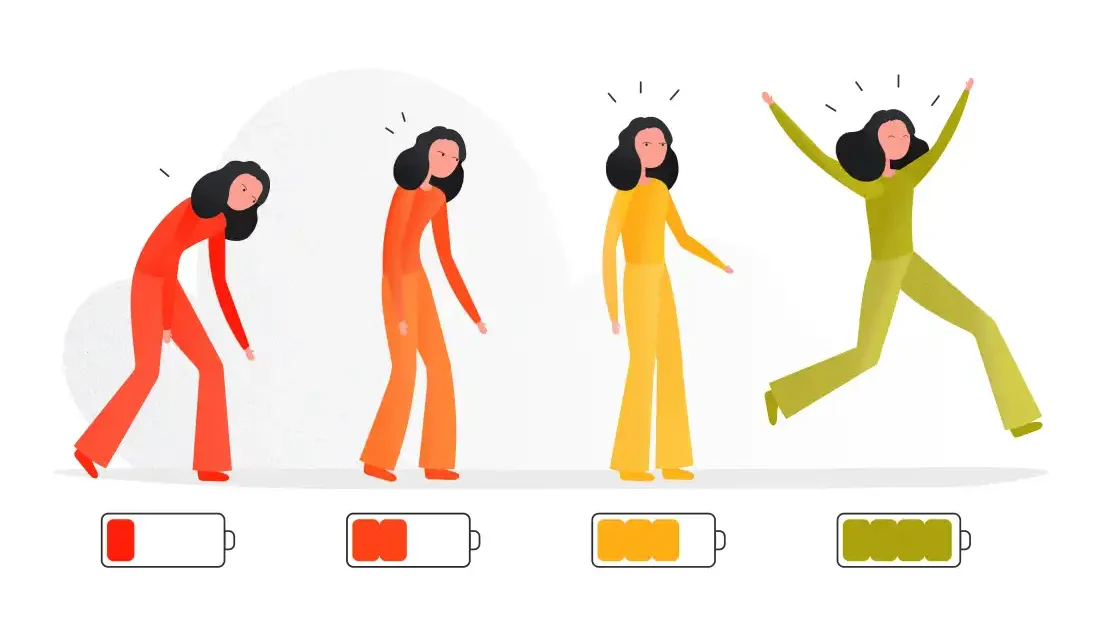
Some individuals with clinical depression struggle to get out of bed. However, there are others who, despite showing signs of depression, remain constantly on the move and intensify their work efforts. Psychiatrist Dr. Judith Joseph highlights that this latter group often goes unnoticed, even by those experiencing it. She describes this as “high-functioning depression,” where individuals meet their work and home obligations while gradually losing the ability to experience pleasure.
Dr. Joseph emphasizes the importance of joy, stating in an interview for the Your Turn podcast, “When you are joyful, you have better physical health, you have better relationships, you have better productivity at work.” She questions why joy isn’t prioritized more highly in our lives.
Anhedonia, the reduced ability to feel joy or pleasure, is central to Joseph’s work. She refers to it as “the silent sister” of depression. “One sister is depressed and crying, getting all the attention, while the other is quiet and numb,” she explains. Although anhedonia may not seem like an immediate crisis, Joseph cautions that it represents an existential crisis that should not be ignored.
Research on High-Functioning Depression
A peer-reviewed study published in the journal Cureus involved interviews with adults using questionnaires designed to assess high-functioning depression, trauma, and anhedonia. The findings supported the hypothesis that individuals with high-functioning depression experience increased levels of anhedonia and trauma. Participants scoring higher in anhedonia also had higher levels of high-functioning depression. The study noted that parents and caregivers exhibited the highest scores in both areas.
High-functioning depression does not appear as an official diagnosis in the DSM-5 manual, which is used to diagnose mental health conditions. According to the study authors, this contributes to the problem, as those who are functioning may not recognize their symptoms or seek treatment until reaching burnout.
The Hidden Burden
Joseph observes this pattern frequently in women who serve as a steady presence for those around them. Such women become so engrossed in their responsibilities that they fail to realize their proximity to burnout. As Joseph puts it, “eventually something’s gonna give,” potentially leading to a breakdown, clinical depression, or a physical crisis.
In her medical practice, she encounters patients in emergency rooms who initially do not understand why they are there, only to discover they have been carrying unresolved emotional pain. Joseph notes that professions discouraging vulnerability, including medicine, often fail to recognize anhedonia. “In medicine, we focus on the crisis,” she states, citing an emphasis on detecting mania and psychosis over joy loss.
Self-Assessment for Anhedonia
Joseph created an anhedonia quiz based on the Snaith-Hamilton Pleasure Scale, which evaluates the capacity to feel pleasure. This questionnaire explores daily experiences like enjoying praise, savoring meals, and deriving satisfaction from work or achievements. Though not a diagnostic tool, it invites individuals to reflect on barriers to a fulfilled life. Those interested in the quiz need to provide their email to view the results.
The Five V’s Framework
In her book High Functioning: Overcome Your Hidden Depression and Reclaim Your Joy, Joseph introduces the Five V’s framework:
- Validation: Recognizing and accepting one’s feelings.
- Venting: Expressing emotions through talking, writing, creative expression, or crying.
- Values: Prioritizing what matters most.
- Vision: Having something to look forward to.
- Vitals: Caring for physical and mental well-being through sleep, nutrition, and movement.
Joseph indicates that anhedonia affects many people at various life stages. “It’s something that we need to learn how to detect,” she asserts, as it often goes unnoticed.
If you or someone you know is in crisis, call or text 988 to reach the Suicide & Crisis Lifeline.
 Promising Advances in Breast Cancer Treatment: Trastuzumab Rezetean’s Impact
 The Impact of Arbitration on Health Insurance Costs
 The Growing Impact of Cannabis Use on Families
 Potential Conflict of Interest In Federal Health Agency
 Data Centers Spark Health and Political Concerns in Arizona
 Social Media Habits and Mental Health in Adolescents