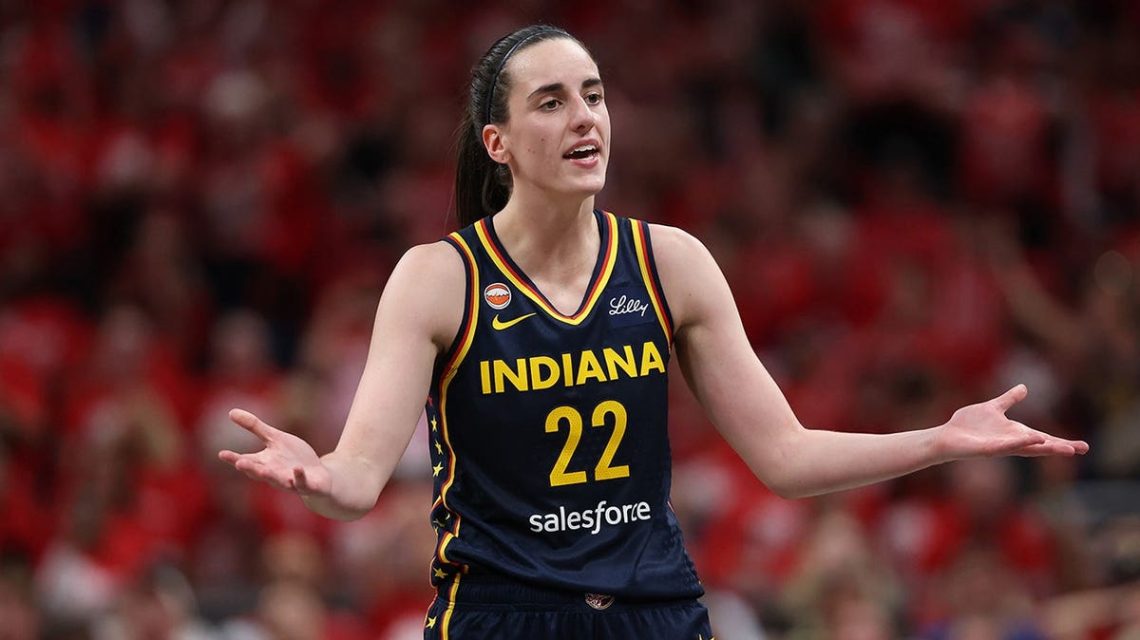
Caitlin Clark received one first-place vote for the WNBA MVP award after an extraordinary season, a performance unmatched in league history. Surprisingly, 19 voters excluded her from their ballots entirely.
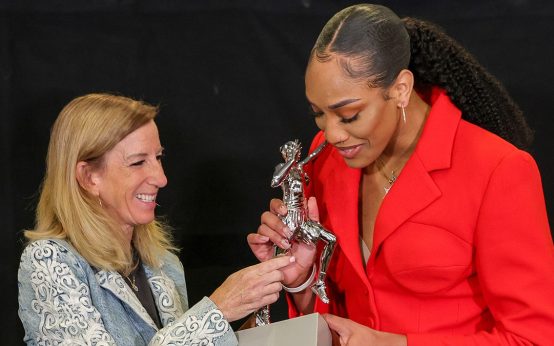
The WNBA announced that A’ja Wilson secured her fifth MVP title with 65 of 74 first-place votes from sportswriters and broadcasters. Minnesota’s rookie Olivia Miles was second, followed by Kelsey Mitchell of Indiana, with Clark finishing fourth.
Clark’s Historic Performance
In the 2026 season, Clark averaged 22.3 points and 8.3 assists per game. She became the first player in WNBA history to average at least 20 points and 8 assists in a season. Combining her own scores and those of her teammates through her assists, Clark accounted for 41.2 points per game on average, the highest in league history.
Kelsey Mitchell, Clark’s teammate, logged her best season since Clark joined the Fever, thanks in part to Clark’s assists. Mitchell averaged 21.4 points in the past three seasons, notably 24.7 this year.
Clark recorded five games with at least 30 points and 10 assists. No other player in WNBA history has managed this more than four times in total. Her standout game against Seattle included 45 points and 10 assists, marking the league’s first 40-point, 10-assist game.
Clark’s season included 13 games with at least 20 points and 10 assists, and she reached milestones of 891 points and 333 assists. This special achievement united with her scoring abilities contributed to Indiana leading with an average of 96 points per game.
The MVP Voting Dilemma
The stark disparity in MVP voting left many fans and commentators puzzled. While A’ja Wilson’s performance and overall contributions rightfully earned her the MVP, Clark’s omission from the top five remained controversial. Wilson averaged 26.2 points, 9.4 rebounds, and led Las Vegas to 31 victories, underlining her dominance.
Olivia Miles led Minnesota to the best record while averaging fewer points and assists than Clark. Some voters seemed to overlook Clark’s historic accomplishments, raising questions about the criteria used for the awards.
Media Scrutiny and Reactions
The media’s role in shaping the MVP narrative has also faced scrutiny. Some coverage of Clark’s popularity touched on contentious topics, questioning her on-court demeanor and societal implications.
While individual opinions might influence voting, the media’s portrayal of players like Clark can lead to skeptical judgment. The backlash to her exclusion indicates a need for transparent criteria and consistent evaluation of players based on merit.
The Importance of Consistent Standards
While Clark does not automatically deserve the MVP via popularity alone, her on-court contributions warranted higher consideration. Discussions could have centered on critical elements like defensive performance, efficiency, and team success.
Ultimately, leaving out a player with such remarkable numbers challenges voters to explain their rationale. They owe it to the fans and the league to clarify their decision-making process, ensuring fairness and recognition for players performing at historic levels.
 Countries Compete to Host the 2036 Summer Olympics
 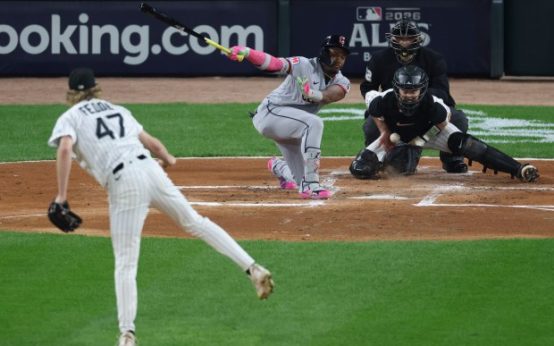 Chicago White Sox Endure Game 4 Setback Against Cleveland Guardians
 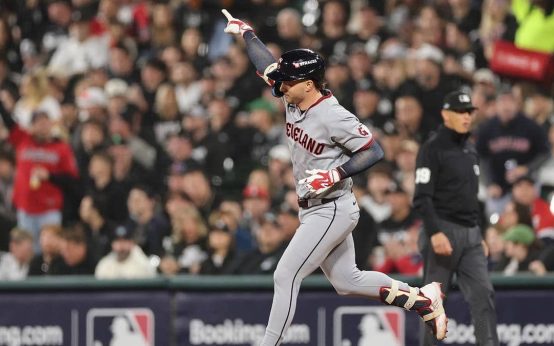 Guardians Push White Sox to Decisive Game 5 in ALDS
 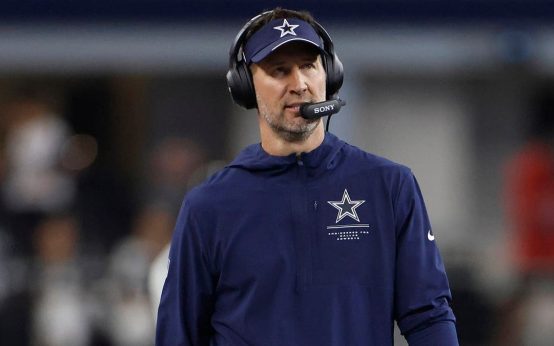 Dallas Cowboys Struggle in Primetime Loss to Buccaneers
  A’ja Wilson’s Historic Fifth MVP and Her WNBA Legacy
  Luka Dončić Faces New Challenges As Lone Star in Los Angeles