
Consider a typical Tuesday. You go through daily rituals like washing your hair, applying deodorant, and having coffee. Lunch is packed in a plastic container, and traffic is part of your commute. At work, tables are disinfected, and at home, after dinner, the dishwasher runs. These actions can lead to chemical exposure. This is natural, as our world is filled with chemicals.
The Impact of Combined Chemical Exposure
The real concern arises from the dose, timing, and circumstances of exposure. Both natural and man-made chemicals can affect health under certain conditions. Most exposures are low-level. Products are generally designed and regulated for safety. However, a more pressing question for researchers is how overlapping low-level exposures might impact health.
Understanding Chemical Mixtures
Past studies have provided insight into individual chemical hazards, safe exposure levels, and regulations. Yet, exposure to one chemical at a time is rare. Air, for example, is a mix of particles, gases, and vapors, with differences between indoor and outdoor environments. Reno, Nevada, features air monitoring systems to capture chemical pollutants.
Food can have residues from multiple pesticides, reflecting agricultural practices. Household products add another dimension. Cleaning items, cosmetics, and personal care products contain various ingredients, contributing to daily chemical exposure. Researchers are investigating hormone-disrupting and asthma-related chemicals in these items.
Even well-treated drinking water can include trace contaminants. Various studies have identified pharmaceuticals and hormone-disrupting compounds in U.S. drinking water. Researchers aim to explore emerging contaminants through advanced analytical methods.
Predicting Mixture Risks
Sometimes, chemicals in mixtures act predictably. The concept of additivity helps estimate risks in such cases. But, not all mixtures behave this way. Some can amplify or reduce effects unpredictably, complicating risk prediction.
Hormone-active chemicals highlight how chemical interactions matter. For example, endocrine disruptors can disrupt hormonal balance. Though individual exposures may seem insignificant, combined effects could be notable. Phthalates and parabens, found in various products, are practical examples.
Regular exposure to these chemicals from daily product use has been documented. Choosing products free of certain phthalates and parabens can often reduce urinary levels of these chemicals.
Advancing Testing Methods
Many chemicals circulate in commerce and the environment. People face diverse exposure combinations, shaped by their environment and lifestyle. Testing every chemical combination isn’t feasible. Researchers focus on real-world mixtures, using automated tests and computer models to identify concerning combinations.
Exposomics represents a newer method. It seeks to connect life-long chemical exposures with health outcomes. While tools improve and mixture science progresses, complete answers remain elusive.
Steps to Reduce Exposure
You don’t need to eliminate all home products or strive for a “chemical-free” life. Focus on reducing unnecessary exposures in practical ways. Improve indoor air quality by ventilating during cooking or cleaning. Use less fragrance and fewer overlapping scented products to minimize exposure to fragrance-related chemicals.
Adopt healthy food habits. Wash produce and diversify your diet, which can help manage pesticide exposure. If you use public water, review your local quality reports. If opting for filtration, ensure it addresses the contaminants of concern and maintain it as directed.
Simple measures like these can help manage exposures while research continues on the health impacts of cumulative small exposures.
 Florida Reports First Dengue Fever Death as Outbreak Expands
  Federal Relief Funds Used for Anti-Racism Training in Albuquerque Schools
 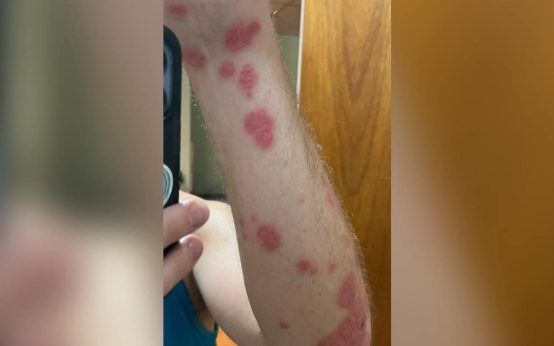 Florida Man Claims ‘Lion Diet’ Transformed Health and Life
  Concerns Over Food Safety and Its Impact on Families
  A Mother’s Tragic Journey Under Abortion Ban
  Medical Diagnosis Errors: Understanding the Crisis