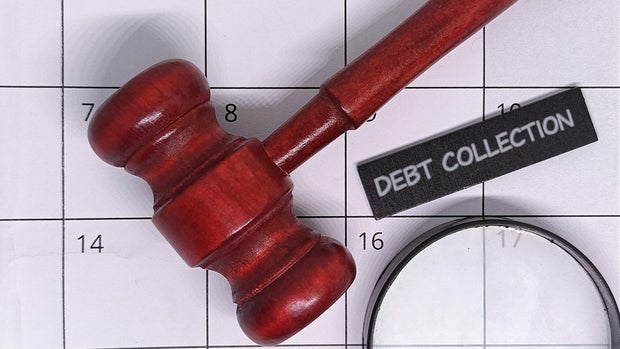
Dealing with Debt Collections
Falling behind on a debt is stressful. When it escalates to a collection agency, it may seem daunting. Calls and letters demanding payment become frequent. For many borrowers, this pressure intensifies an already difficult financial situation.
According to Freedom Debt Relief, in a survey of consumers with over $10,000 in unsecured debt, 36% of Gen Z borrowers and 34% of millennials reported struggling with only minimum monthly payments. The financial strain for younger Americans is evident.
What Happens When Debt Goes to Collections
While consequences exist, sending a debt to collections doesn’t automatically lead to a worst-case scenario.
What will happen: You’ll start hearing from a collection agency. Instead of communication from your original lender, a third-party agency will reach out through calls, letters, emails, or text messages. These communications aim to recover the unpaid balance and can become persistent.
Collectors must provide a validation notice detailing the amount owed, the creditor, and dispute options. You have 30 days to dispute the balance in writing, obliging the agency to halt collection activities until they can verify the debt.
What won’t happen: Wages won’t be garnished automatically. Wage garnishment requires a lawsuit, court judgment, and necessary steps. Exceptions include federal student loans and government debts.
Ignoring a lawsuit may result in a default judgment, potentially leading to wage garnishment or bank levies.
What will happen: Credit impact is likely. Even without legal action, collections can affect your credit. Original creditors may have reported missed payments, lowering your score. Collection accounts can remain on credit reports for seven years.
The impact depends on the type of debt, reporting agency, and credit scoring model. Not all agencies report accounts, and some scoring models ignore paid collections.
What won’t happen: You won’t be arrested for owing money. Failing to repay consumer debt isn’t a criminal offense. It’s illegal for collectors to threaten arrest.
Respond to lawsuits appropriately to avoid separate legal issues stemming from court order non-compliance.
What will happen: Opportunity for negotiation exists. Collectors might settle debts for less or accept smaller payments, depending on circumstances.
Verify debt legitimacy, confirm collector authority, and get agreements in writing. Be aware of consequences, such as statute of limitations resets.
What won’t happen: Collectors can’t contact you without limits. Federal law restricts communication practices to prevent harassment.
Collectors cannot call before 8 a.m. or after 9 p.m. without permission, or use abusive language. You can request in writing to cease communication, barring legally required notices.
Final Thoughts
Debt collections are serious but don’t always result in lawsuits, garnishments, or financial catastrophes. Understanding your rights and evaluating options like negotiating, credit counseling, or contacting reputable debt relief services can help manage the situation effectively.