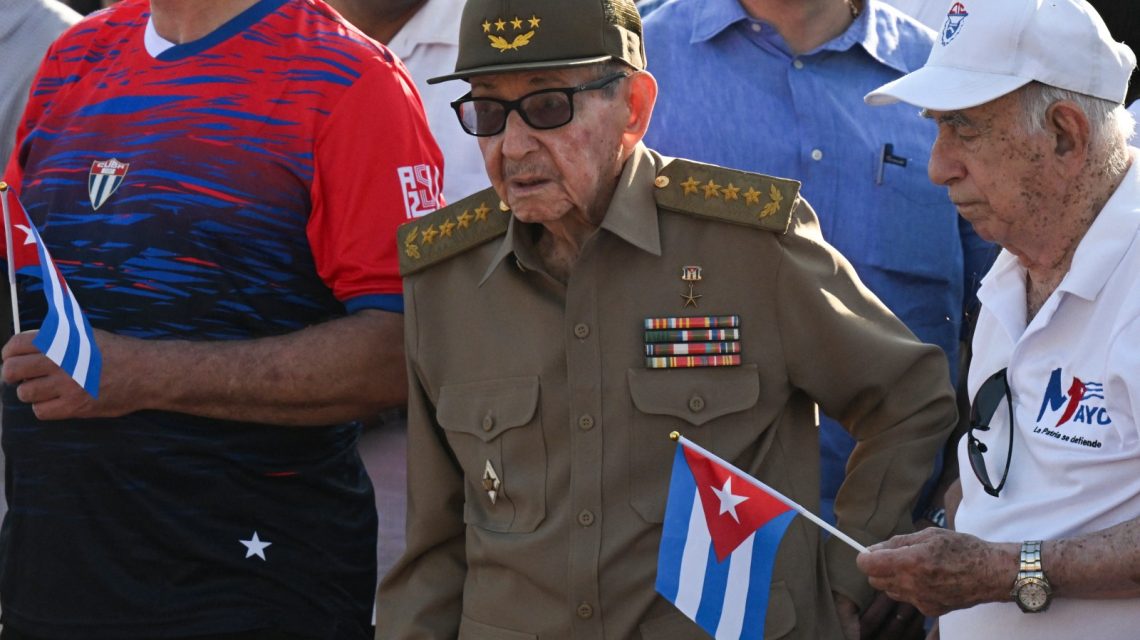
The United States has filed criminal charges against Raúl Castro, former Cuban President, significantly affecting the diplomatic relationship between the two nations. On Wednesday, under the Trump administration’s influence, charges emerged related to a 1996 incident in which two civilian planes were shot down.
The Background of the Charges
Raúl Castro, now 94, still holds significant influence in Cuba despite stepping down as president. The U.S. lacks jurisdiction to apprehend him in Cuba. Officials allege Castro, as defense minister at the time, ordered the attack on Brothers to the Rescue, a Miami-based group conducting rescue missions.
Original indictments were drafted in Miami soon after the 1996 incident. The incident led to stringent U.S.-Cuba relations and congressional action to tighten the embargo.
The 1996 Incident
On February 24, 1996, Cuban jets downed two Cessna planes from Brothers to the Rescue. These planes assisted individuals fleeing Cuba on rafts. The attack killed four individuals, including three Americans and one Cuban American.
Cuba justified the engagement by citing repeated airspace violations. It had informed U.S. State Department, FAA, and International Civil Aviation Organization of over 25 such incidents from 1994 to 1996. The U.S., however, maintained that the planes operated within international waters.
Cuba’s Stance on Airspace
Cuba argues that the 1996 action was a response to constant airspace intrusions. The Cuban embassy emphasized that formal written denouncements of these violations were made to relevant U.S. bodies, warning on social media about exhausted diplomatic avenues before hostilities arose.
Potential U.S. Military Action
President Donald Trump highlighted America’s stance against what he termed a ‘rogue state’. Trump hinted at possible military operations to alter the Communist government while Senator Marco Rubio advocated systemic changes within Cuba’s leadership.
As part of this offensive, the U.S. suggested that Cuba could become vulnerable following disruptions in Venezuelan oil shipments, a major energy source. The resultant shortages have severely impacted businesses, public services, and daily life on the island.
Cuban Defense Preparations
Anticipating U.S. aggression, President Miguel Diaz-Canel declared readiness to defend against any invasion. Cuban military fortifications reportedly include attack drones from Russia and China. Diaz-Canel has issued stern warnings about severe retaliation to any military intervention.
Marco Rubio’s Independence Day Message
Rubio, addressing Cubans, offered assistance and a prospective ‘new relationship’ with the U.S., denying that America’s blockade is the cause of the blackouts. Instead, he blamed internal Cuban governance failures.
Raúl Castro’s Legacy
Raúl Castro, a central figure in the Cuban Revolution, succeeded his brother Fidel in 2011. During his leadership, Castro facilitated engagement with the U.S., culminating in resumed commercial flights after five decades of isolation.
Current Economic Climate
The Cuban economy faces significant distress. Electricity supply is limited, resulting in harsh living conditions. The U.S. has intensified sanctions, constraining Cuba’s fuel imports, worsening blackouts, and broadening humanitarian crises. Crucially, the United Nations has criticized these measures.
Despite recent Russian oil shipments providing brief respite, demonstrations have grown, notably involving essential service users and families. Wealthier individuals have built makeshift solutions to adapt, but most Cubans continue to endure the difficulties posed by inadequate electricity amidst rising temperatures.
 Historical Discrepancies and Diplomatic Sensitivities in U.S.-China Relations
  Escalating Tensions: Russia’s Nuclear Threat and the Kaliningrad Conundrum
  Marco Rubio Discusses Thwarted UK Terror Plot and Global Threats
 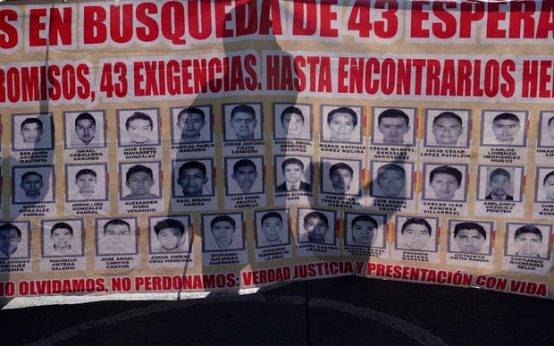 New Leads Emerge in 2014 Ayotzinapa Student Disappearance Case
 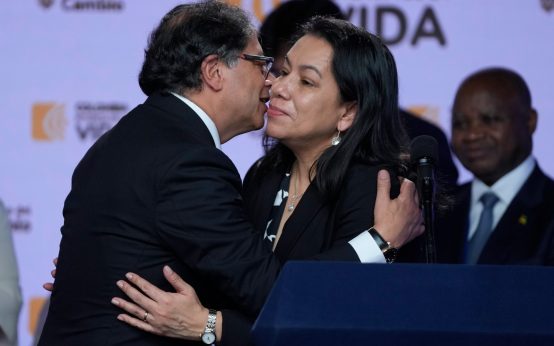 Concerns Over U.N. Secretary-General Candidate’s Alignment
 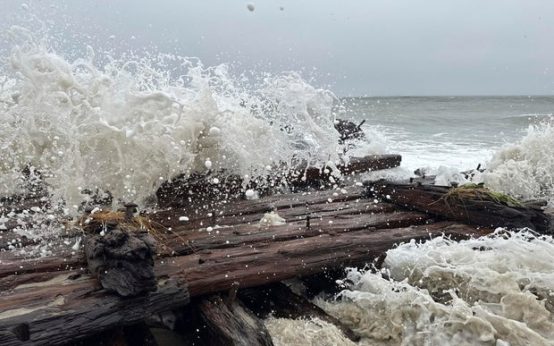 Possible Shipwreck Exposed After Nor’easter in Nantucket