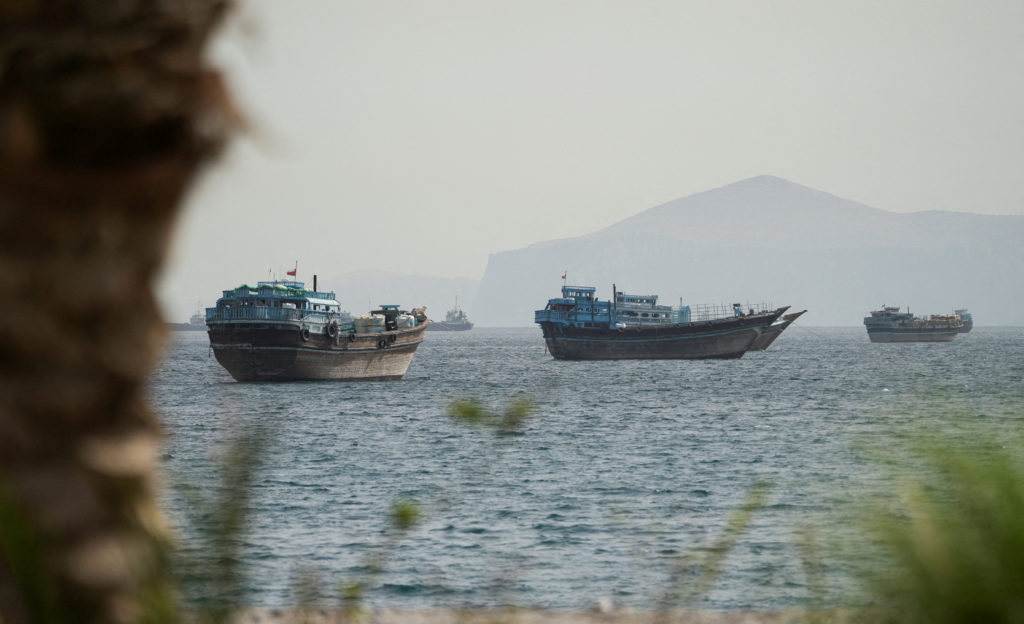
Negotiations between the United States and Iran seem to be moving forward with a goal to conclude the conflict and reopen the Strait of Hormuz. President Donald Trump confirmed that talks are progressing well. Nonetheless, he emphasized that hostilities might restart if an agreement isn’t achieved. The timeline and finalization details of the deal remain unknown. Discussions involved Middle Eastern allies such as Israel. Information comes from regional and U.S. officials, who spoke anonymously due to the sensitive nature of the negotiations.
An Iranian delegation, led by parliament speaker Mohammad Bagher Qalibaf, arrived in Qatar as part of the negotiation process. Previous discussions were held in Pakistan between Qalibaf and U.S. Vice President JD Vance.
The War Could End
Since the U.S. and Israel initiated the conflict, resulting in the deaths of Iran’s Supreme Leader Ayatollah Ali Khamenei and key officials, Tehran has demanded that any deal must terminate hostilities on all fronts, including ongoing skirmishes in Lebanon with Hezbollah. A ceasefire has been in place since April 7. Ending the war would reduce regional tensions and resume global shipping through the Strait of Hormuz, which conveys about 20% of global oil. It would also facilitate rebuilding infrastructure in the region.
READ MORE: Trump says not to rush as U.S. nears potential Iran deal
The proposed deal reportedly includes a cessation of the war between Israel and Hezbollah, and a promise to refrain from intervening in other nations’ internal matters. This relates to Iran’s support for proxies like the Houthis in Yemen and Hamas in Gaza. The U.S. aims for Israel to operate freely in Lebanon, which Iran opposes. A U.S. official mentioned the deal could assure Israel’s right to self-defense.
The Strait of Hormuz to Gradually Reopen
Before the conflict, the Strait of Hormuz was accessible for international shipping. Due to the blockade, vessels carrying essential goods have been stuck. The draft agreement proposes a phased reopening alongside lifting the U.S. blockade on Iran’s ports, imposed from April 17. This blockage restricted Iran’s oil exports and revenue generation.
READ MORE: Trump’s emerging plan to end the Iran war faces criticism from Republicans
Sanctions waivers could enable Iran to sell oil, and a 60-day negotiation period may address sanctions relief and access to frozen Iranian funds.
Iran’s Nuclear Program and Uranium Stockpile
Concerns about Iran’s nuclear ambitions were a primary issue. Under the ongoing discussions, Iran would relinquish its stockpile of highly enriched uranium. Details on how this would be achieved remain to be negotiated. Options include diluting the uranium or transferring it to a third country, like Russia.
The International Atomic Energy Agency notes Iran has 440.9 kilograms of uranium enriched to near weapons-grade levels of 60%. Iran claims its nuclear program is peaceful and asserts its right to nuclear technology.
Outstanding Issues
President Trump expressed optimism over the negotiations, but unresolved issues persist. These include discussions on Iran’s missile program and uranium enrichment capabilities. Additionally, there seems to be no mention of reducing U.S. military presence or reparations for war damages. The initial aim of inciting government change in Iran appears to be off the table.
Reported contributions include insights from Washington and Lowville, New York.
Support trusted journalism and civil dialogue as a free press is essential for democracy.
 U.S., Denmark, and Greenland Forge New Security Agreement
  Secretary Rubio Discusses Middle East Conflict and NATO Relations
  Israeli Leader’s Upcoming U.N. Assembly Speech Marked by Controversy
  United States Secures Arctic Defense Pact
  Trump’s Engagements at the UN: Focus on Ukraine and White House Developments
  Trump Administration to Admit 17,500 Afrikaner Refugees from South Africa