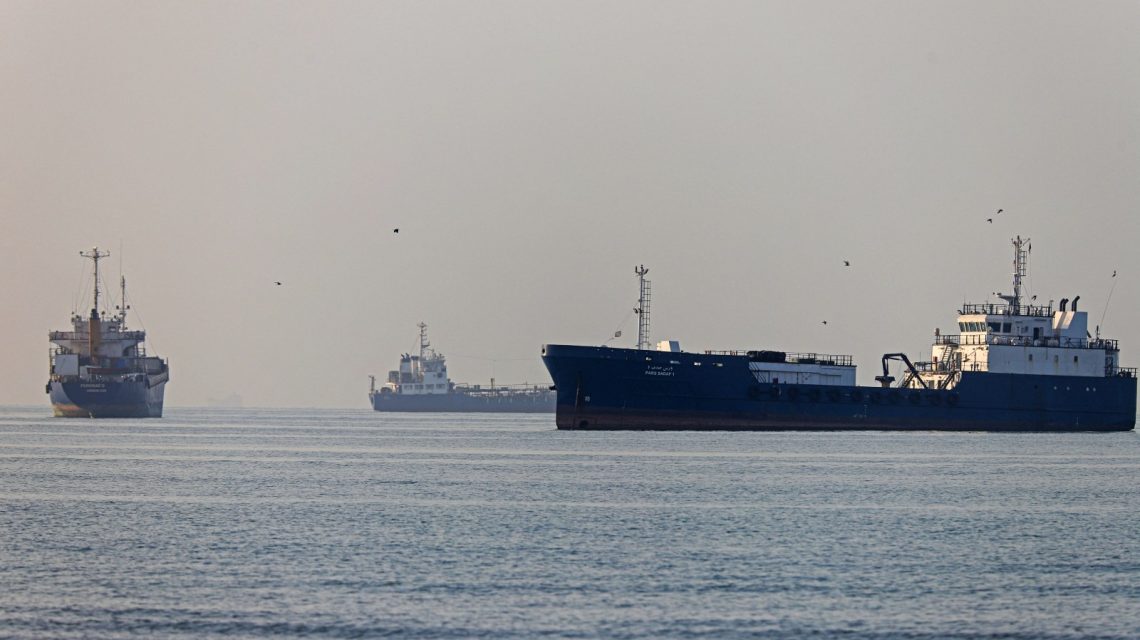
The United States and Iran exchanged missile and drone strikes on Wednesday, highlighting the fragility of a ceasefire. Washington maintains the ceasefire is in effect while both sides appear open to negotiations.
The escalation began after the U.S. targeted an empty oil tanker. The vessel was allegedly attempting to breach a U.S.-imposed blockade on Iranian ports, effective since April 13. This blockade has affected six commercial ships and redirected 122 others.
Incidents in Kuwait
Kuwait’s military reported that Iranian drones attacked its international airport. The incident caused significant damage and injuries, disrupting air traffic. Kuwait labeled this as “criminal Iranian aggression.” Iranian media published a video showing explosions at U.S. bases in Kuwait, although U.S. Central Command (CENTCOM) stated that air defenses neutralized all threats.
CENTCOM confirmed the ceasefire continues but recent events show little progress in resolving Middle East tensions. Secretary of State Marco Rubio expressed optimism that a deal with Tehran is within reach.
U.S. Strikes on Qeshm Island
CENTCOM confirmed using a Hellfire missile on a Botswana-flagged tanker, Lexie, heading for Iran. The strike was part of “self-defense” actions on Qeshm Island in the Strait of Hormuz, an area blockaded by Iran, affecting energy markets. The Hellfire missile, known for its precision, targets accurately from various platforms. CENTCOM’s video shows the missile hitting the tanker. They claim the ship ignored repeated U.S. warnings.
The U.S. described its actions on Qeshm Island as a response to Iranian attempts to attack American positions in the region. Iran also launched missiles at U.S. bases and Bahrain but was unsuccessful in causing damage.
Calls for Negotiation
President Donald Trump urged Iran via Truth Social to negotiate, suggesting the ongoing hostilities cannot continue. Recent U.S. actions targeted Iranian drones and missile sites in response to perceived threats.
Rajan Menon from the City College of New York noted that time for a deal is diminishing. He mentioned Trump’s declining approval ratings and domestic opposition to the conflict might influence negotiations. However, Iran believes time is on its side, given rising global energy prices and public sentiment against the conflict.
Menon described the situation as a potential “collision,” with each side waiting to see who will concede first. Although not inevitable, renewed conflict seems increasingly possible.
Iran’s Perspective and Retaliation
Ali Nikzad, Iran’s parliamentary deputy speaker, confirmed that negotiations would continue under Supreme Leader Mojtaba Khamenei. His absence from public view adds to the tension.
Trita Parsi of the Quincy Institute noted Iran’s shift in strategy. They retaliate with increased intensity following U.S. actions. Former U.S. Deputy Assistant Secretary of State Len Khodorkovsky argued empowering the Iranian populace could lead to peace. He cited protests inspired by Crown Prince Reza Pahlavi as pivotal moments in the ongoing conflict.
Khodorkovsky believes President Trump has a chance to shape Middle Eastern relations positively by transforming adversarial ties.
 U.S. Strikes Security Agreement for Greenland
  Court Ruling Against Trump Administration’s Deportation Policy
 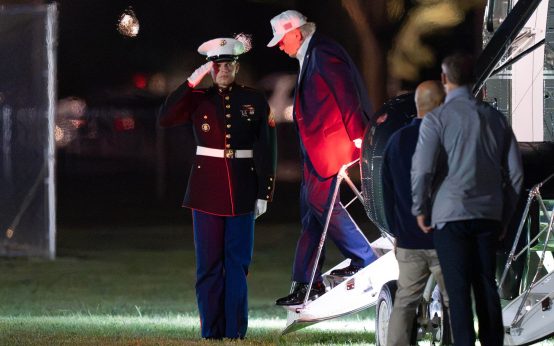 Trump’s Early Return from Camp David Amid Middle East Escalation
 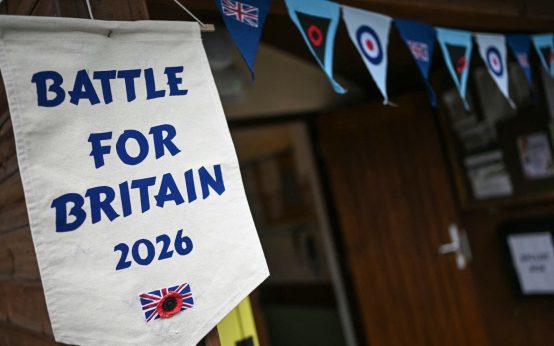 Piddington Villagers Contemplate Joining the US Over Asylum Plans
  U.S. Strategic Goals in Iran Under Scrutiny
 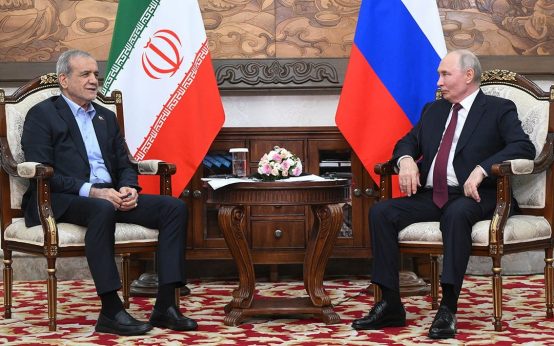 Russia’s Secret Plan with Iran: Financial and Strategic Moves