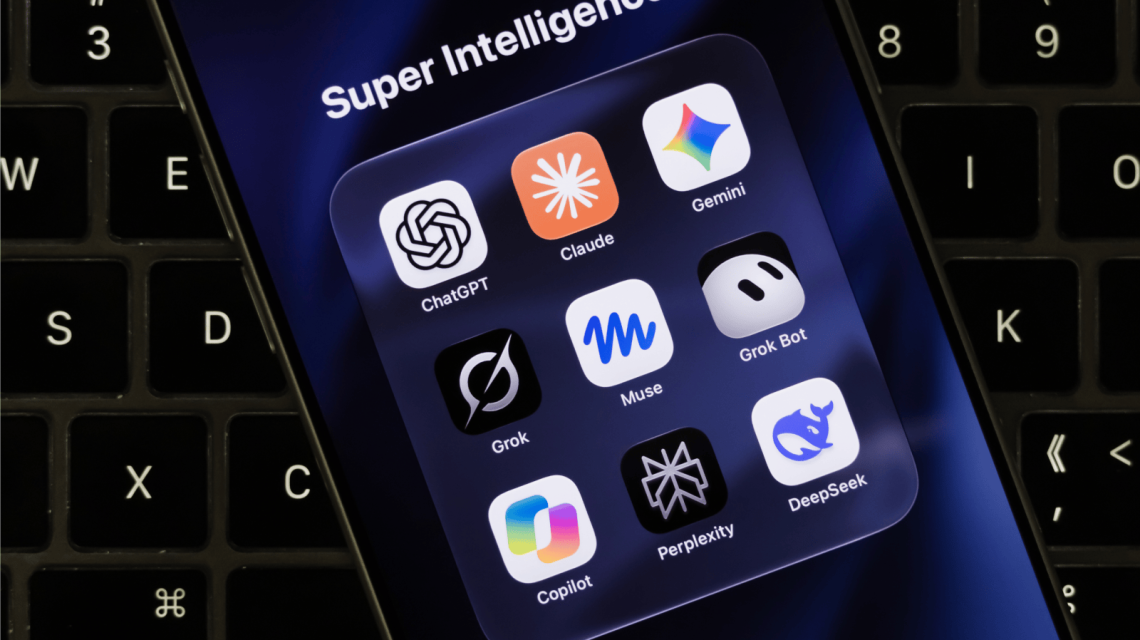
President Donald Trump’s initiative to replace the term “artificial intelligence” with “super intelligence” is finding support among certain Silicon Valley leaders and Republican lawmakers. Although many prominent tech firms have not embraced the change, Trump’s directive, signed on September 29, advises executive branch agencies to use “Super Intelligence” and “SI” instead of “Artificial Intelligence” and “AI” in official communications and documents. The directive claims that the new terminology more accurately reflects the technology’s capabilities and potential.
The announcement was made during a White House meeting that included influential tech figures. However, nearly two weeks later, tech companies appear divided between those adopting Trump’s terminology and those sticking with the traditional terms.
Nvidia’s Endorsement
Jensen Huang, CEO of Nvidia, has shown strong support for the rebranding. On October 8, Nvidia pledged $1 billion over five years for U.S. science advancement, incorporating Trump’s terminology in its announcement. Nvidia emphasized the investment would enhance U.S. “super intelligence research and development” and mentioned “super intelligence infrastructure resources.” Huang highlighted Trump’s initiative, saying it launched a “new golden age of American discovery.” Nvidia’s investment aims to expedite breakthroughs in several fields.
Meta and Super Intelligence
Meta, led by Mark Zuckerberg, presents a more complex picture. The concept of “superintelligence” was already part of Meta’s vision prior to Trump’s executive order. In a July 2025 announcement, Zuckerberg noted that superintelligence development was close, aiming to make “personal superintelligence” accessible to all. In August 2026, he discussed the future use of superintelligence and related accessibility issues. Although Zuckerberg supports the term, his actions did not stem from Trump’s initiative, rather they aligned with Meta’s existing strategy.
SpaceX and Elon Musk
Elon Musk enthusiastically accepted Trump’s terminology, announcing SpaceXAI’s rename to “SpaceXSI.” Responding to a question on X, Musk confirmed the change. He also referred to SpaceX as a “super intelligence company,” underscoring his commitment to the terminology.
Salesforce’s Rebranding
Salesforce CEO Marc Benioff embraced the rebranding, renaming the AIForce platform to “SIForce.” Benioff stated, “The era of Super Intelligence is here,” affirming his alignment with Trump’s new terminology.
Microsoft’s Perspective
Satya Nadella, Microsoft CEO, started using Trump’s terminology without renaming products. He discussed “Models as Insider Risks in the Super Intelligence Era,” emphasizing the need for robust safeguards in advanced systems.
Mixed Reactions from Other Tech Leaders
Despite attending the meeting, other tech leaders like Sundar Pichai of Google, and Dario Amodei of Anthropic, haven’t changed their terminology. Although these firms signed the “White House Accord on Super Intelligence,” it didn’t lead to a rebrand of their technologies. Anthropic, for instance, continues to use “AI” and refers to its technologies accordingly, highlighting ongoing use of AI in surveillance systems against dissidents.
Amazon Web Services maintains a section on “Artificial Intelligence” in its News Blog, viewing artificial superintelligence as a theoretical AI research concept.
Republican Politicians’ Adoption
Some Republican figures have adopted Trump’s terminology more thoroughly. House Speaker Mike Johnson referred to tech executives as “super intelligence industry leaders” and praised the meeting as historically significant. Senator Joni Ernst of Iowa used “Super Intelligence (SI)” while clarifying it as synonymous with AI, calling for legislative safeguards for the technology. Senator Bernie Moreno of Ohio commended Trump’s commitment to U.S. leadership in responsible SI development.
This article was produced using Martyn, Newsweek’s AI assistant, with editorial oversight by Ben Kelly and Sam Wilson.
 Elon Musk Supports GOP Ahead of Midterms
  Cities Grapple with Flock Safety’s License Plate-Reading Cameras
  Pennsylvania’s Data Center Permit Tracker and the AI Infrastructure Debate
  Debate Over Driverless Vehicles in Washington D.C.
  Trump and AI: Balancing Economic Potential and Regulation
  Protecting Your Finances from Cyber Threats