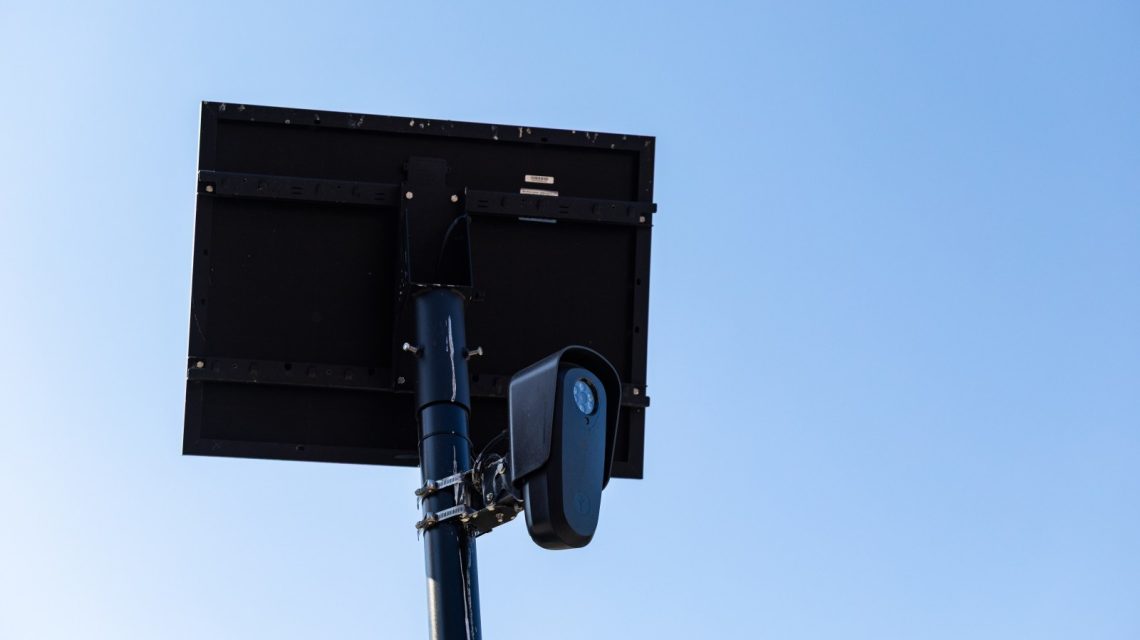
Across the United States, cities are debating the use of Flock Safety’s automated license plate-reading cameras. While some opt to abandon them, others are keeping the technology, often with stricter regulations on the data’s use.
Adoption with Conditions
In San Francisco, the decision to retain Flock cameras comes with new limitations. Officers now need approval from department leaders to access the data. They must also show a connection to an active investigation. Data from Flock’s platform will be deleted after 30 days, but police can keep their copies for up to a year.
In Costa Mesa, California, the city council, despite opposition, voted to continue with Flock, while renegotiating terms for better control over data use. The city aims to cut data retention from 365 days to 45 days.
Oklahoma City agreed to pay $270,000 to keep 90 cameras operational until 2027. They also imposed restrictions on federal data access and shortened the retention period from 30 days to seven, though relevant data can be kept longer.
Retaining Despite Opposition
In Evansville, Indiana, the city council included funding for cameras in its 2027 budget. While privacy concerns were highlighted, Police Chief Phil Smith mentioned collaboration with federal agencies for non-immigration purposes.
College Station, Texas, renewed a one-year contract for 84 cameras after public debate, despite calls to cancel the agreement. Councilors asked for stronger safeguards and an independent audit, reflecting concerns about data collection and sharing practices.
Dunwoody, Georgia, continues to use Flock cameras, emphasizing safety measures and their utility in police work. Residents question if these controls adequately prevent misuse.
Decisions Pending
Cities like Scottsdale, Arizona, and Cleveland, Ohio, are still evaluating their stance. Scottsdale is examining safeguards and potential new vendors, with a decision expected in December. Cleveland extended its Flock contract for six months while seeking proposals from other providers, amid ongoing debates on wider technology use.
Privacy and Data Concerns
Growing opposition to Flock’s technology highlights privacy and data-sharing issues. As reported, many communities are canceling contracts or choosing not to renew agreements due to these concerns.
The company’s rapid expansion faces challenges, with organizations mapping over 122,000 license plate reader cameras nationwide. Around 95 cities have rejected such systems, according to the anti-surveillance group DeFlock.
 Pennsylvania’s Data Center Permit Tracker and the AI Infrastructure Debate
  Debate Over Driverless Vehicles in Washington D.C.
  Trump and AI: Balancing Economic Potential and Regulation
  Protecting Your Finances from Cyber Threats
  Exploring the Practical Uses of AI Agents
  The Power Dynamics of AI and Its Implications on Society