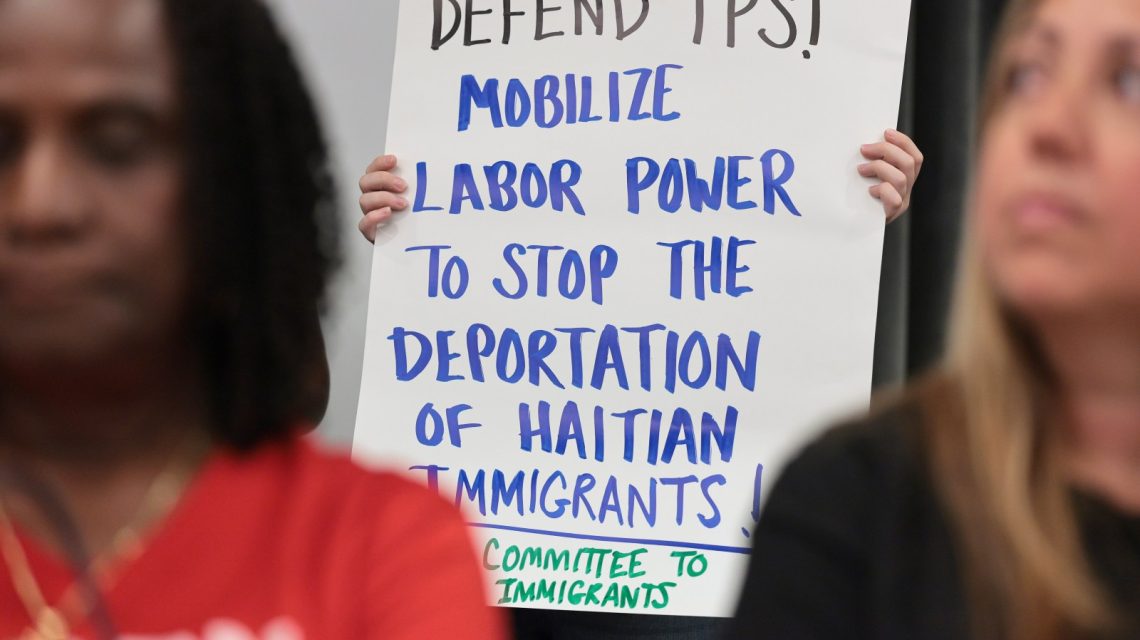
The Trump administration secured a court victory when a district judge overturned a previous order that had kept the Department of Homeland Security (DHS) from ending Temporary Protected Status (TPS) for people from Ethiopia. This decision affects 13 countries whose citizens had temporary legal status and work rights, leading to their loss of TPS during President Donald Trump’s second term. The U.S. Supreme Court’s decision in June supported DHS’s position, impacting others in the process.
Fewer countries now retain TPS, with impending renewal decisions on the horizon. A spokesperson for DHS highlighted the agency’s ongoing law enforcement activities aimed at ensuring public safety, refusing to disclose specific future operations related to TPS holders. The spokesperson further emphasized TPS’s temporary nature, criticizing its function as a prolonged amnesty program contrary to congressional intent.
Judicial Perspective
Judge Brian Murphy noted that while Ethiopian TPS beneficiaries had significant legal arguments, recent Supreme Court rulings diminished their validity. Thus, he declined to maintain the protections during ongoing legal proceedings. However, Murphy allowed one claims to persist, suggesting potential racial or national-origin bias in the administration’s decision.
Murphy’s ruling mirrored another court’s finding, suggesting it was premature to dismiss allegations of discriminatory intent. The plaintiffs, therefore, retained the chance to gather evidence through the discovery process. Diana Konaté of African Communities Together expressed disappointment, pointing to ongoing turmoil in Ethiopia with millions displaced and many fleeing the country.
TPS Program and Trump’s Broader Strategy
TPS enables nationals from war-torn or disaster-struck countries to live and work in the U.S. temporarily. As of January 2025, 17 countries had TPS designations. Since then, Trump’s administration acted to terminate protections for 13 countries, affecting nearly 1 million TPS holders.
Officials, including former Secretary Kristi Noem, argued that many designations were outdated, with conditions in some countries improving enough for return. They assert TPS was never meant to facilitate permanent residency. However, immigration advocates argue that instability and crises still plague many affected countries, challenging the terminations. A Supreme Court decision in June 2026 favored the administration’s action, reinforcing their stance.
Current TPS Holders
Only a few countries still retain TPS. These include Ukraine, Sudan, Lebanon, and El Salvador. Of these, Lebanon’s status was officially extended, given ongoing conflicts. Despite this, legal experts warn that remaining protections might face increased examination as deadlines approach.
Future Challenges for Migrants
Losing TPS has differing implications for migrants, mainly influenced by their individual immigration status. Some may have avenues like pending asylum, other immigration petitions, or may qualify for family-based or employment-based adjustments. However, numerous long-term TPS recipients may encounter challenges without work rights and removal protections, risking deportation.
A DHS spokesperson suggested those affected could opt for voluntary return assistance. Advocacy groups emphasize the risks and difficulties migrants face in returning to their home countries, considering their established lives in the U.S.
Despite the recent ruling, legal battles continue. The ruling permits exploration of potential discriminatory motives, although recent Supreme Court decisions allow the administration’s broader TPS efforts to proceed largely unchallenged.
 Jon Ossoff’s 2028 Presidential Speculation and Senate Campaign
  Democrats See Improved Senate Race Prospects in 2023
  Ed Markey Holds Lead in Massachusetts Senate Primary
  Trump’s Approval Rating Declines Among Millennials
  Lincoln Memorial Reflecting Pool’s Renovation Project Faces Challenges
  Trump Suspends Canadian Tariffs, Suggests Keystone XL Pipeline Revival